

 русский
 Español
The company relies on a high degree of brand awareness, fine product quality, convergence of multiple strong advertising media power, and through the integration of capital, knowledge, talent technology, channels, information operations.
The Popularity of Non-Stick Cookware
Cooking Pan Non Stick products are widely used in kitchens worldwide for their convenience and ability to cook with minimal oil.
Traditional PTFE-coated pans, commonly known as Teflon, have dominated the market for decades due to their good non-stick performance.
In recent years, ceramic-coated pans have gained popularity as consumers seek safer, chemical-free alternatives.
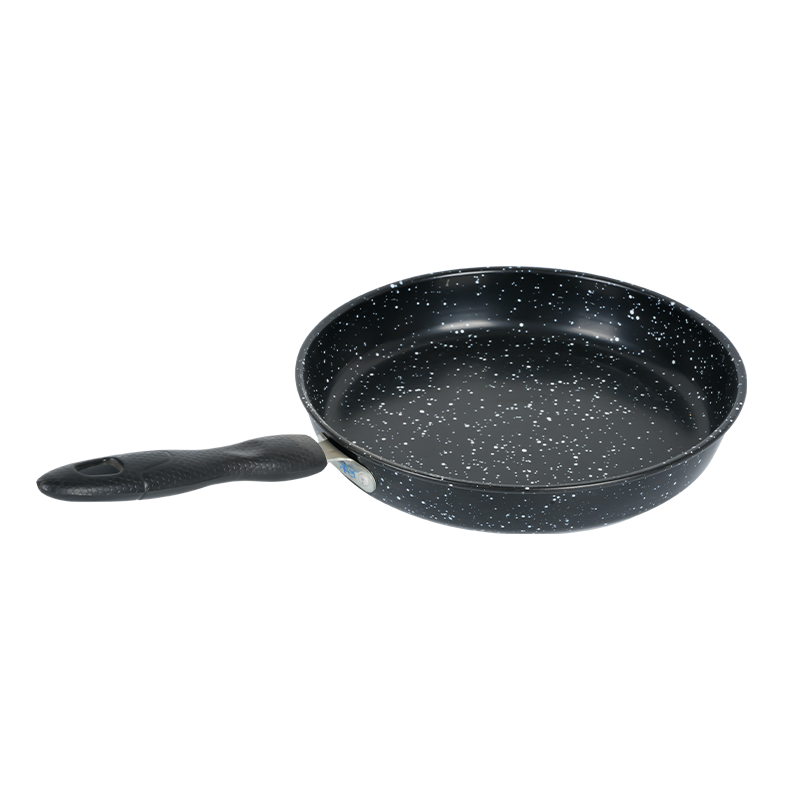
PTFE Coatings: Strengths and Limitations
Advantages of PTFE:
- Provides good non-stick performance, reducing the need for oil or butter.
- Lightweight and easy to clean, ideal for everyday cooking.
- Affordable and available in a wide variety of sizes and styles.
Potential risks:
- At high temperatures (above 260°C / 500°F), PTFE coatings can degrade, releasing fumes that may be harmful if inhaled in large quantities.
- Older PTFE pans often contained PFOA, a chemical linked to health concerns; most modern pans have eliminated PFOA.
- Overheating an empty pan or using it on high heat for extended periods increases the risk of chemical release.
Durability issues:
- PTFE coatings scratch easily when metal utensils are used.
- Scratched surfaces not only reduce non-stick performance but may also expose the underlying metal, which can affect longevity.
Ceramic-Coated Pans: Composition and Safety
Material composition:
- Ceramic coatings are made from natural minerals, usually silica-based, baked onto the pan surface at high temperatures.
- Unlike PTFE, ceramic coatings are generally free from synthetic chemicals such as PFOA and PFAS.
Health advantages:
- No toxic fumes are released at typical cooking temperatures, making ceramic pans safer for everyday use.
- Non-reactive with acidic or alkaline foods, preserving the natural taste of dishes.
- Environmentally friendlier in production compared to traditional PTFE coating processes.
Heat tolerance:
- Ceramic surfaces can withstand moderate to high temperatures without breaking down.
- Suitable for a range of cooking methods, including sautéing, stir-frying, and searing.
Performance and Maintenance
Non-stick performance:
- Ceramic pans offer smooth surfaces initially, but non-stick properties may diminish faster than PTFE over time.
- Proper maintenance, such as avoiding abrasive cleaning tools, can prolong performance.
Durability considerations:
- Ceramic coatings are generally harder than PTFE but more brittle, making them prone to chipping if mishandled.
Maintenance tips:
- Use wooden, silicone, or plastic utensils to avoid scratching the coating.
- Wash with non-abrasive sponges and mild detergents.
- Avoid sudden temperature changes that can crack the ceramic surface.
Comparing Safety Profiles
Fume emissions:
- PTFE can release toxic fumes if overheated, which may cause temporary flu-like symptoms known as polymer fume fever.
- Ceramic coatings remain stable at normal cooking temperatures, eliminating this risk.
Chemical exposure:
- While modern PTFE pans have largely removed PFOA, concerns about residual chemicals persist.
- Ceramic pans offer chemical-free cooking with a small risk of harmful exposure.
Food interactions:
- Ceramic surfaces are inert and do not react with food ingredients, reducing the chance of altering flavor or releasing unwanted substances.
Practical Considerations for Consumers
Cooking habits:
- High-temperature cooking or frequent searing is safer with ceramic-coated pans.
- PTFE pans work well for low-to-medium heat cooking and delicate foods like eggs and pancakes.
Longevity and cost:
- PTFE pans generally maintain non-stick performance longer, but safety concerns at high temperatures may influence choice.
- Ceramic pans may require replacement sooner, but offer peace of mind regarding chemical exposure.
Brand and quality:
- Choose reliable brands that test for safety and durability.
- Look for certifications indicating PFOA- and PTFE-free coatings.
Conclusion
- Ceramic-coated Cooking Pan Non Stick products provide clear safety advantages over traditional PTFE coatings, particularly in reducing chemical exposure and fume risks.
- PTFE remains convenient, affordable, and effective for everyday cooking, but ceramic alternatives appeal to consumers seeking healthier, eco-conscious options.
- The choice depends on balancing non-stick performance, durability, cooking style, and safety priorities, ensuring the pan suits both the user’s health concerns and culinary habits.