

 русский
 Español
The company relies on a high degree of brand awareness, fine product quality, convergence of multiple strong advertising media power, and through the integration of capital, knowledge, talent technology, channels, information operations.
Cooking Pan Non Stick is widely praised for its easy food release and minimal oil requirement.
One crucial factor that affects cooking efficiency is heat transfer, which determines how quickly and evenly food cooks.
Comparing non-stick pans to traditional pans helps users understand which type is suitable for specific cooking needs.
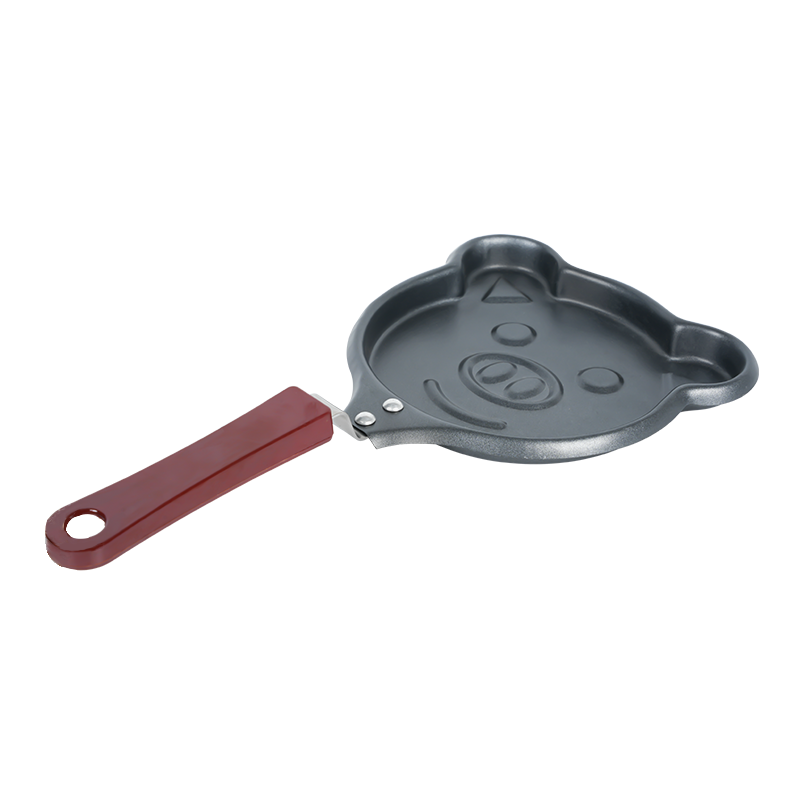
Material Composition and Its Impact
- Non-stick Coating Layers: Most non-stick pans have a Teflon or ceramic coating over an aluminum or stainless steel base.
- Aluminum conducts heat quickly, but the coating can slightly reduce the direct heat transfer to food.
- Ceramic coatings are generally thicker and may take slightly longer to reach a suitable cooking temperature.
- Traditional Pan Materials: Ordinary pans, such as stainless steel, cast iron, or copper, lack a non-stick layer.
Cast iron retains and distributes heat extremely well, though it heats slowly.
Copper pans excel in rapid and even heat distribution, often outperforming aluminum-based non-stick pans in responsiveness.
Speed of Heating
Cooking Pan Non Stick:
- Lightweight aluminum bases allow fast heating.
- Ideal for cooking eggs, pancakes, and delicate foods that require precise, quick heat.
Ordinary Pans:
- Stainless steel pans take longer to reach high temperatures due to lower thermal conductivity.
- Cast-iron pans heat slowly but maintain heat for longer periods, providing even cooking for stews and braises.
Heat Distribution and Hot Spots
Non-stick Pans:
- Thin aluminum bases can sometimes cause uneven heating or hot spots, especially on lower-quality models.
- Premium non-stick pans often include multi-layered bases to reduce this effect.
Traditional Pans:
- Copper and heavy stainless steel pans provide consistent heat across the cooking surface.
- Cast iron evenly spreads heat but may need preheating to avoid cold spots initially.
Cooking Efficiency and Energy Use
- Non-stick Advantages:
Due to their light construction, non-stick pans often require less energy to heat.
Quick heating reduces cooking time for simple dishes.
- Ordinary Pan Considerations:
Heavier pans require more energy upfront but maintain temperature longer, reducing the need for continuous heat.
Better for slow cooking and recipes that demand steady heat.
Durability and Long-Term Performance
Non-stick Pans:
- Heat transfer can degrade over time if coatings are scratched or warped.
- Regular replacement is often needed to maintain suitable cooking performance.
Traditional Pans:
- Stainless steel and cast iron maintain their heat transfer efficiency over many years.
- Cast iron can even improve with seasoning, enhancing heat retention and cooking consistency.
Practical Cooking Scenarios
- Everyday Quick Cooking:
Cooking Pan Non Stick excels for eggs, pancakes, stir-fry, and delicate fish, where fast heat and easy release matter.
- Slow Cooking or High-Temperature Searing:
Traditional pans, especially cast iron or stainless steel, outperform non-stick pans for browning meat and searing at high temperatures.
- Energy Considerations:
Lightweight non-stick pans save energy for short cooking tasks.
Heavy traditional pans are more energy-intensive initially but efficient over long cooking periods.
Choosing the Right Pan for Heat Transfer
- Cooking Pan Non Stick offers convenience, fast heating, and low-oil cooking, but may struggle with uniform heat distribution on lower-quality models.
- Ordinary pans like stainless steel, copper, or cast iron provide good heat retention, even distribution, and long-term durability.
- The choice depends on cooking style: non-stick pans are ideal for everyday quick meals, while traditional pans excel in recipes requiring consistent, long-term heat.
- Understanding these differences allows cooks to make informed decisions based on their cooking needs, energy efficiency, and desired results.