

 русский
 Español
The company relies on a high degree of brand awareness, fine product quality, convergence of multiple strong advertising media power, and through the integration of capital, knowledge, talent technology, channels, information operations.
Buying a baking tray often starts with a simple idea. You want to make a cake, prepare a quick snack, or save a little time in the kitchen. Then you begin looking at different products and realize that choosing one is not quite as straightforward as it seems. A Microwave Baking Tray needs to suit the food you make and the appliance you use. Its material, shape, and cleaning requirements also deserve a closer look, especially if you expect to use it regularly.
One thing worth checking early is whether the tray is actually intended for microwave use. Baking pans come in different materials and designs, and a product that works in a conventional oven may not be suitable for a microwave. The difference is easy to overlook when shopping online, where several products can look almost identical.
What Do You Usually Make in Your Kitchen?
There is little point in buying a tray without thinking about how you will use it. Someone who enjoys making cakes at weekends may have different needs from someone who mainly reheats food during a busy workday.
Start with your usual recipes. Small desserts may call for a different shape from dishes prepared for a family meal. If you only cook small portions, a large pan could take up cupboard space without offering much practical value.
It also helps to think about how often you cook. A tray used every day needs to be easy to handle and clean. If you only make a particular dessert occasionally, you may care more about its shape and suitability for that recipe.
Before comparing products, consider these everyday questions:
- What food will I prepare most often?
- Will I use the tray in a microwave or a conventional oven?
- Do I need a shallow container or a deeper pan?
- Where will I keep it when it is not in use?
- How much time do I want to spend cleaning it?
You probably already know the answers to several of these questions. That is enough to begin narrowing down the choices.
Microwave-Safe Does Not Mean Suitable for Every Oven
This is where many buyers need to slow down and read the product information.
A conventional oven cooks food with heat from its heating elements and the surrounding hot air. A microwave works differently, using electromagnetic energy to heat food. Because the heating methods are not the same, cookware cannot always be transferred from one appliance to another.
Metal and aluminum trays are generally unsuitable for ordinary microwave use unless the appliance and product instructions explicitly permit them. Metal can reflect microwave energy and may cause sparking or operating problems.
The reverse is also true. A container intended for microwave use should not automatically be placed in a conventional oven. Some appliances combine microwave and convection cooking, but the permitted cookware depends on the appliance design and the selected function.
If you are unsure about a tray, check the label and manufacturer's instructions before using it. Do not rely on its appearance, a product photograph, or a general description such as heat-resistant.
This check matters more than the color or shape of the product because it determines whether the tray is appropriate for the intended task.
Choosing a Material Without Getting Lost in Product Descriptions
Glass, ceramic, plastic, and silicone all appear in kitchenware ranges, but their uses vary. Even products made from the same material may have different restrictions.
Glass cookware, for example, can be suitable for microwave use when designed and labeled for that purpose. It still needs to be handled according to the manufacturer's instructions, particularly when temperature changes are involved.
Ceramic products may be used for cooking or serving, depending on their construction. Decorative metallic details can affect microwave suitability, so the product should be checked rather than judged by its appearance.
Some plastics are made for microwave heating, while others are intended only for food storage or serving. These uses should not be confused. Silicone products also vary, and their permitted heating conditions depend on the specific design.
| Material | What to Check Before Buying |
|---|---|
| Glass | Microwave suitability, heat resistance, and handling instructions |
| Ceramic | Intended use and whether the product contains metallic decoration |
| Plastic | Whether it is specifically designed for microwave heating |
| Silicone | Permitted heating conditions and cleaning requirements |
| Metal | Whether the appliance instructions explicitly allow its use |
There is no need to memorize every material characteristic before shopping. What matters is finding clear information about the particular product you are considering.
Does the Surface Need Special Care?
Some baking trays have coated surfaces intended to help with food release or cleaning. Others have an uncoated finish. Neither description tells you everything about how the product should be maintained.
If the tray has a coating, look for instructions about utensils, washing, and storage. Abrasive cleaning tools may damage certain finishes, while unsuitable use can affect the condition of the surface.
For a tray that will be used frequently, these details are worth considering before purchase. They also matter to retailers and distributors who need to explain product care to their customers.
Is a Round Baking Pan the Right Choice?
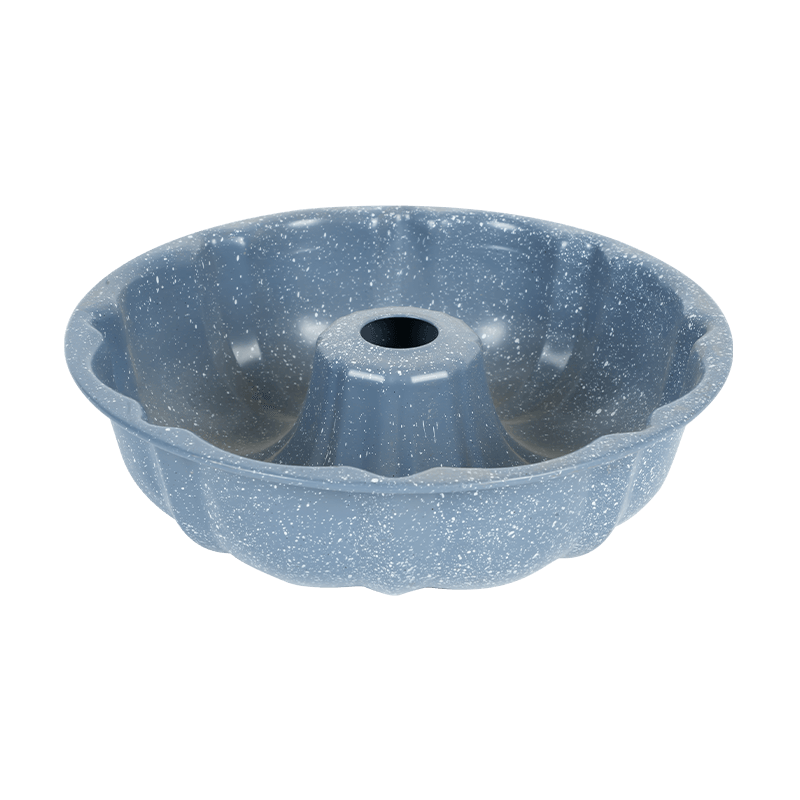
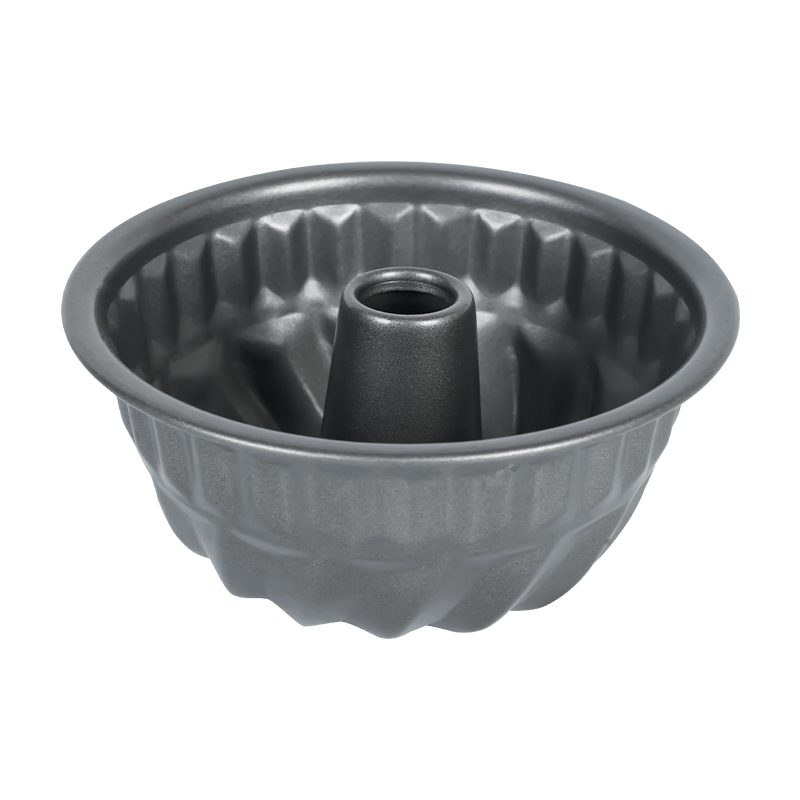
Round pans are commonly used for cakes, tarts, and other desserts. They are familiar in home kitchens, but the shape alone does not tell you whether a particular pan suits your recipe or appliance.
For cake making, the depth of the pan and the shape of its sides affect how much mixture it can hold. The base and surface can also influence how easily the finished cake comes out.
If you mainly prepare round cakes, choosing a pan designed for those recipes makes sense. If you want to use it in a microwave, however, you still need to confirm that the complete product is suitable for microwave cooking.
This distinction is important when browsing a bakeware catalog. A round pan designed for conventional oven baking and a microwave-safe container may serve different purposes, even if both have a similar outline.
Check the Size Before Placing an Order
A tray can look compact in a photograph and still take up more room than expected. Check the available space inside your appliance, including the turntable where applicable. The tray needs to fit as instructed without obstructing the door or interfering with the turntable's movement.
Think about storage as well. If you have several pans already, a design that fits neatly alongside your existing cookware may be easier to manage.
These details may not seem important when you first see a product, but they can make a noticeable difference after it arrives.
The Small Details You Notice After Repeated Use
A tray's appearance may influence your initial decision. Its everyday convenience becomes clearer after you have cooked with it, washed it, and put it away several times.
Consider the rim and the overall shape. Are there corners where food residue may collect? Is the tray comfortable to hold? Can you wash it without needing special tools?
Dishwasher use is another point to confirm. A product that is safe for microwave heating is not automatically suitable for a dishwasher. Follow the care instructions provided for the specific item.
Weight can matter, too. A bulky or awkwardly shaped tray may be inconvenient if you need to move it frequently between the kitchen counter, appliance, and cupboard.
None of these details needs to be complicated. A tray should fit into your normal routine without creating extra work.
How to Compare Two Similar Baking Trays
Sometimes two products look almost the same, yet their materials, intended uses, or care requirements differ. Rather than comparing every detail in a product listing, focus on the information that affects your decision.
| Comparison Point | What to Look For |
|---|---|
| Intended application | Microwave cooking, conventional baking, or another stated use |
| Material | Construction suited to the intended appliance |
| Shape and depth | A design that accommodates your recipes |
| Dimensions | Enough room inside the appliance and in storage |
| Surface finish | Clear care instructions and suitable cleaning methods |
| Product guidance | Specific information about permitted use and restrictions |
Price is naturally part of the decision, but it should not be the only consideration. A low-cost tray that does not suit your appliance or cooking habits may end up sitting unused in a cupboard.
Reading the product description carefully before ordering can save you the trouble of returning an unsuitable item.
What Should Importers and Retailers Ask a Bakeware Manufacturer?
For businesses buying in quantity, the questions go beyond whether a tray looks suitable. Importers, distributors, and private-label brands also need to understand the product's construction, documentation, packaging, and intended market.
Get Clear Information About the Product
Ask the manufacturer to confirm the material, intended heating method, surface treatment, and care instructions. Depending on the product and destination market, relevant food-contact documentation and test reports may also be needed.
This information should be consistent across the product specification, packaging, and sales description. If a tray is intended for conventional oven use, it should not be presented as microwave-compatible without appropriate evidence.
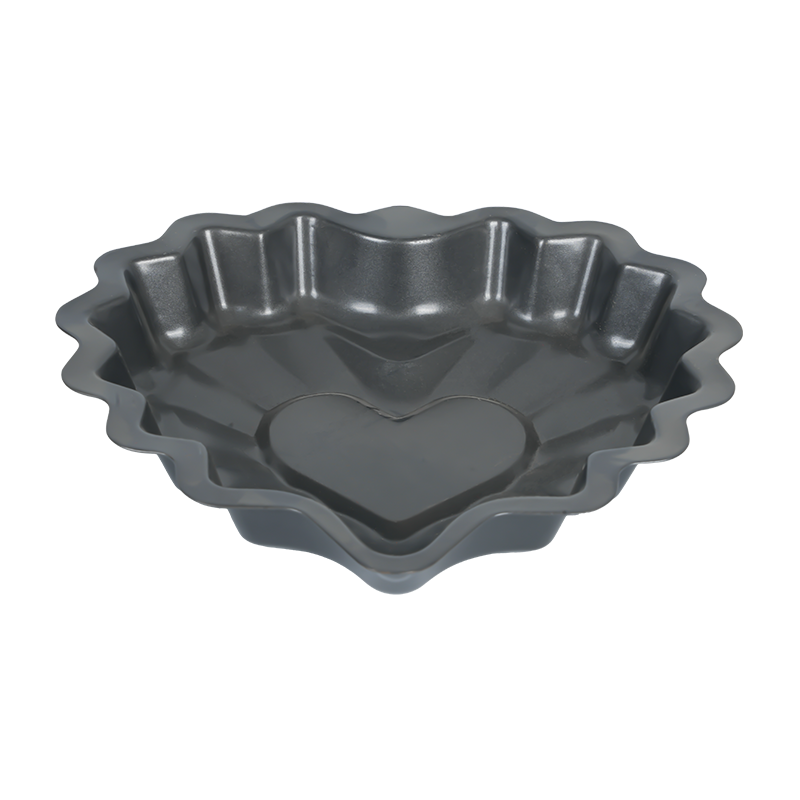
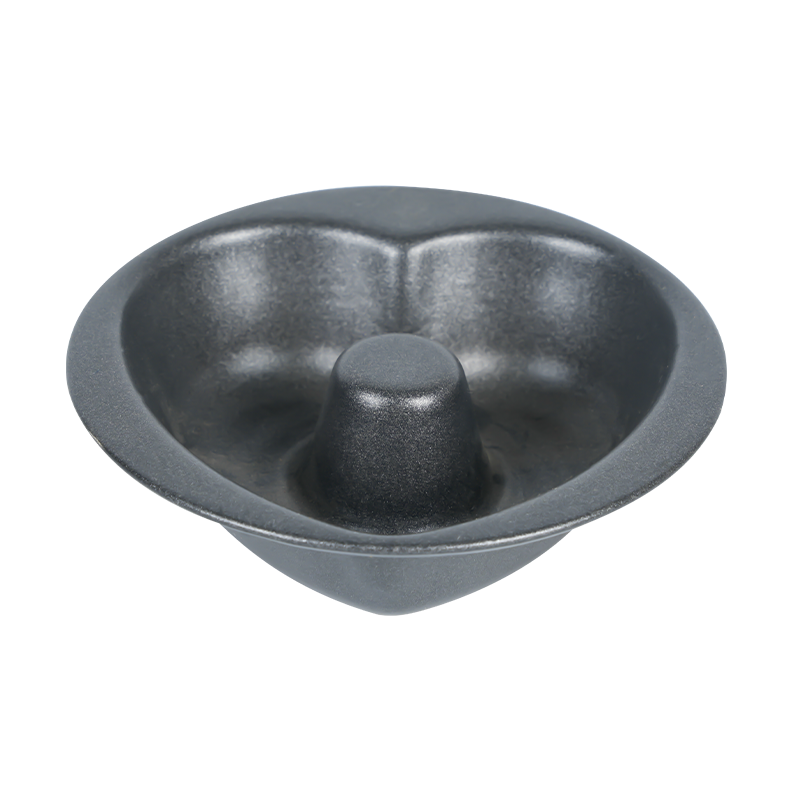
When reviewing several designs, ask the supplier to explain the differences between them. This is particularly helpful when a product range includes round cake pans, other baking molds, and containers made for different applications.
Discuss Samples Before Bulk Production
A product image can show the general shape and finish, but it cannot answer every purchasing question. A sample gives buyers a chance to inspect the actual item and see whether it matches their requirements.
Depending on the manufacturer's available services, buyers may also discuss changes to the shape, finish, packaging, or branding. It is sensible to confirm which options are available and whether they affect production arrangements or delivery schedules.
Before approving a bulk order, agree on the product details, sample approval process, inspection arrangements, packaging, and relevant documentation. These conversations help both sides understand what will be supplied.
Think About the Customers Who Will Use the Product
A kitchenware retailer may serve home bakers, families, or customers looking for compact cookware. Each group may have different expectations about handling, storage, appearance, and cleaning.
Clear product information helps retailers describe the item accurately and answer questions before a purchase. For manufacturers, understanding these needs can also help when discussing product development with buyers.
A Few Mistakes Worth Avoiding
Some purchasing problems come from assumptions that could have been checked beforehand.
- Assuming every baking tray works in a microwave. Confirm the intended use, even if the product looks similar to microwave-safe cookware.
- Choosing a pan without considering the recipe. Shape and depth affect how well the product suits the food you prepare.
- Ignoring care instructions. The wrong cleaning method may damage certain surfaces or finishes.
- Overlooking appliance space. Check the actual dimensions and any restrictions in the appliance manual.
- Relying on vague product descriptions. Ask for clarification when material details or permitted uses are missing.
For commercial orders, it is also worth checking packaging requirements and destination-market documentation before production begins.
Finding a Tray That Fits Your Needs
Choosing a microwave baking tray starts with the way you plan to use it. The food you prepare, the appliance in your kitchen, and your cleaning and storage habits all help determine which design makes sense.
For home users, the priority is a tray that suits regular recipes and comes with clear instructions. For kitchenware buyers, material information, sample evaluation, customization options, and product documentation also need attention.
Befair Kitchenware offers a range of bakeware styles for buyers to review. If you are considering a round baking pan or another product in the range, check its specific material and intended application before deciding whether it is suitable for your needs.
A little research before buying can help you avoid an unsuitable product and choose bakeware that has a practical place in your kitchen.