

 русский
 Español
The company relies on a high degree of brand awareness, fine product quality, convergence of multiple strong advertising media power, and through the integration of capital, knowledge, talent technology, channels, information operations.
Introduction to Microwave Baking Tray Use
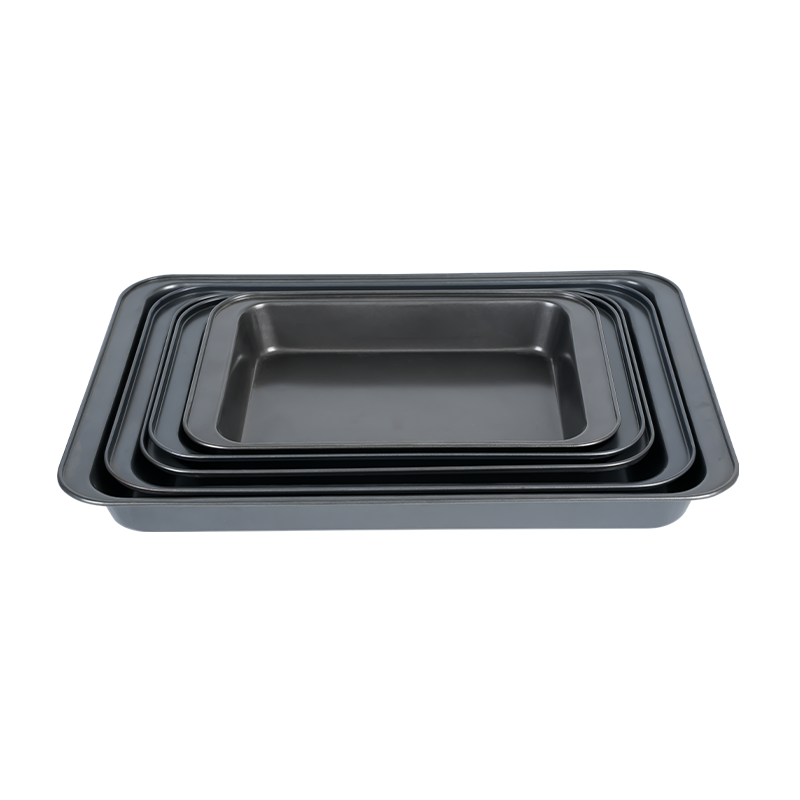
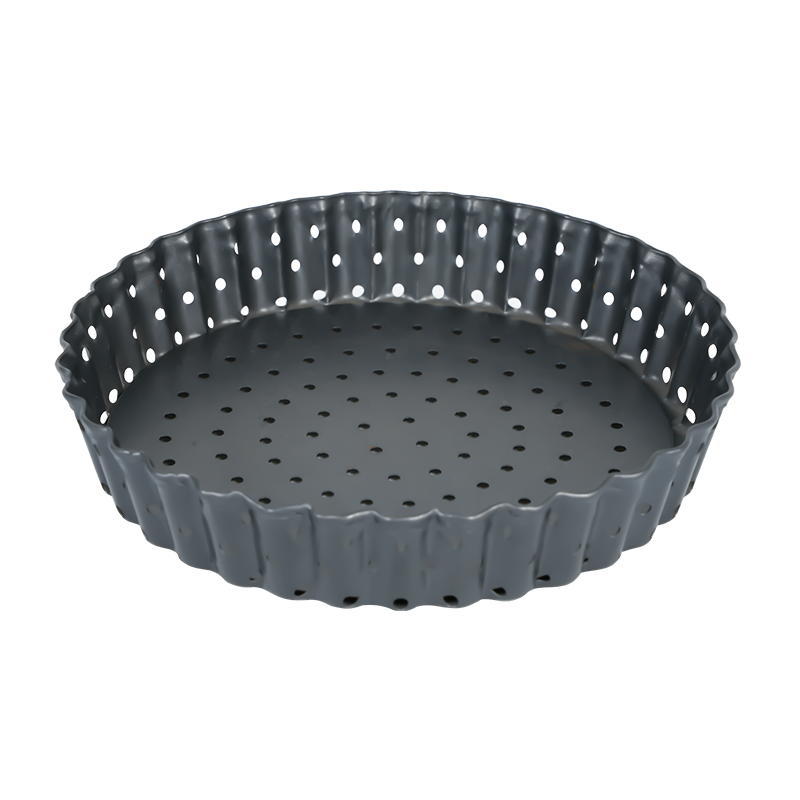
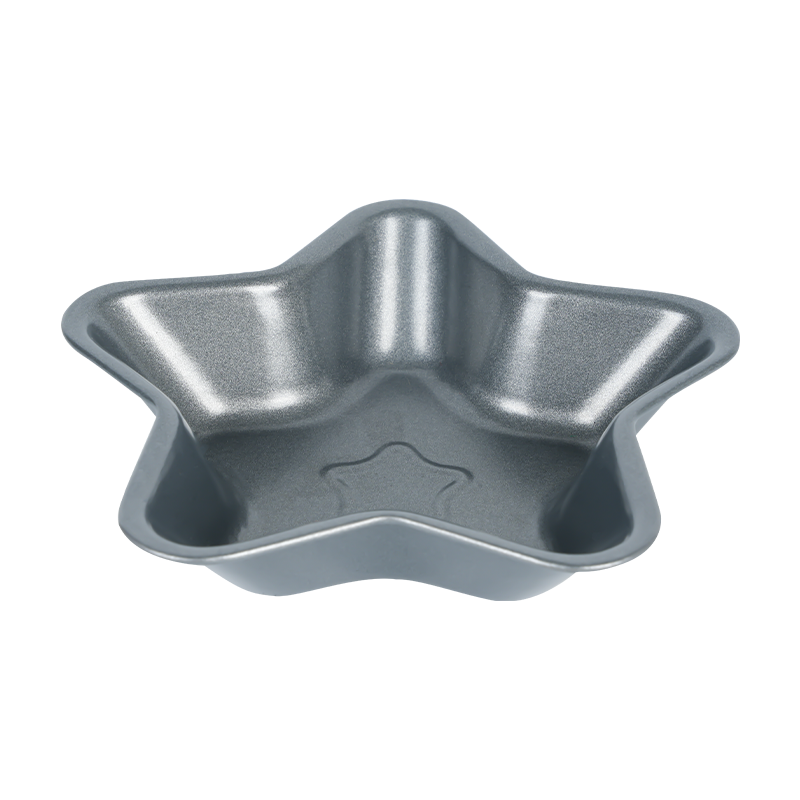
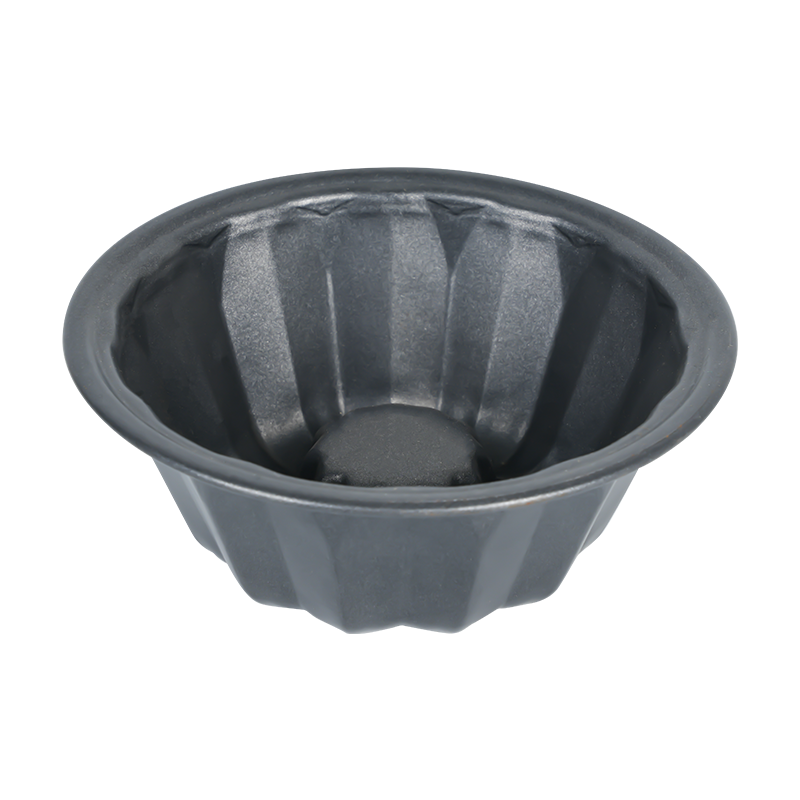
A Microwave Baking Tray is a versatile kitchen tool designed to prepare a variety of foods efficiently. While commonly associated with reheating leftovers, many users also explore its use for baking and cooking. Understanding whether a microwave baking tray is suitable for high-temperature baking or low-temperature heating is essential for achieving suitable results. Microwave Baking Tray Factory's proper use ensures food safety, preserves tray integrity, and extends the lifespan of the product.
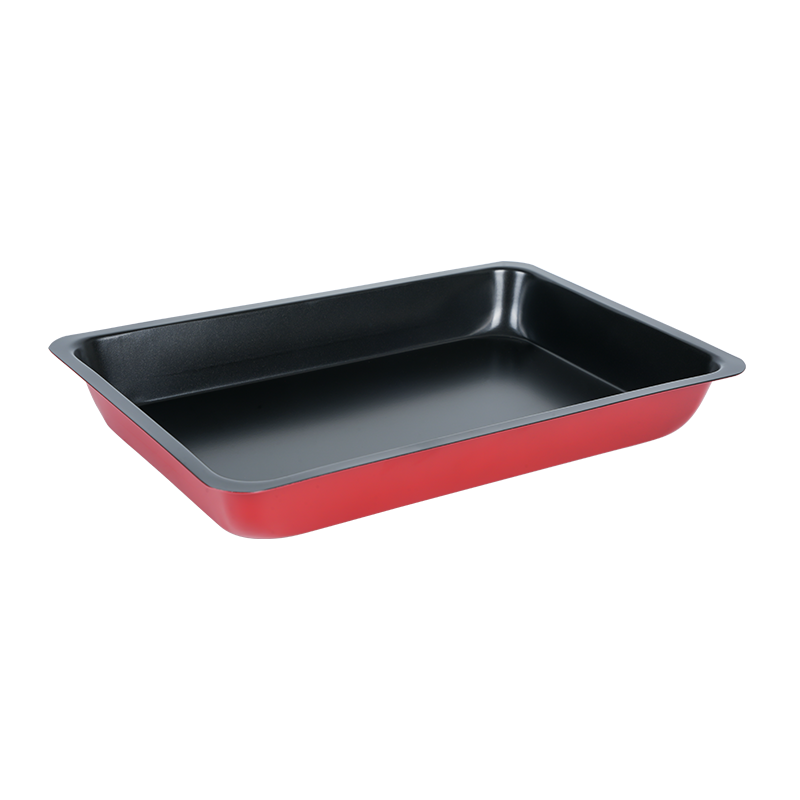
Material and Design Considerations
The suitability of a tray for high or low temperatures largely depends on its material and construction.
- Glass trays: Tempered glass trays are widely used for microwave baking because they can tolerate sudden temperature changes. They are generally safe for low to medium heat baking, though extremely high temperatures may risk cracking.
- Ceramic trays: Ceramic trays provide good heat distribution and are suitable for medium-temperature cooking. However, they are prone to thermal shock if exposed to sudden high heat or placed directly from the freezer to the microwave.
- Silicone trays: Silicone trays are flexible and non-stick, ideal for low to moderate temperature baking. High temperatures above the manufacturer’s recommended limit can cause deformation or chemical leaching.
- Plastic trays: Only specially rated microwave-safe plastics should be used. They are usually restricted to low-temperature heating and reheating rather than baking, as high heat may warp or release harmful chemicals.
Temperature Recommendations for Baking and Heating
Microwave baking trays are generally designed for low to medium temperatures, as microwaves heat food differently from conventional ovens.
- Low-temperature heating: Trays are good for reheating leftovers, softening butter, or melting chocolate. Temperatures are usually well below 100°C (212°F), which is safe for all tray types.
- Medium-temperature baking: Some microwave trays, especially glass or ceramic, can withstand temperatures up to 180°C–200°C (356°F–392°F) for baking items such as muffins, small cakes, or casseroles. It is important to verify the temperature recommended by the manufacturer before use.
- High-temperature baking limitations: Microwave trays are not intended for the high temperatures required for traditional oven baking, such as 220°C–250°C (428°F–482°F). Using them beyond recommended limits can cause cracks, warping, or permanent damage.
Manufacturer Guidelines and Safety Tips
Following manufacturer instructions is critical to avoid damage or safety hazards.
- Check the label: Look for the temperature limit specified by the Microwave Baking Tray Factory. Using trays beyond this range can void warranties or pose risks.
- Avoid direct heat contact: Do not place microwave trays on stovetops or open flames.
- Allow gradual temperature changes: Avoid transferring trays directly from the refrigerator or freezer to the microwave, as sudden temperature changes can cause cracking.
- Monitor cooking time: Overheating can damage the tray and may result in unevenly cooked food.
Maintenance and Care for Longevity
Proper care ensures trays remain safe for repeated use.
- Hand washing: Although many trays are dishwasher safe, gentle hand washing prevents scratches and prolongs tray life.
- Avoid abrasive tools: Use soft sponges or cloths instead of steel wool or harsh scrubbing pads.
- Storage considerations: Store trays flat in a dry area to avoid warping or cracking.
Microwave baking trays are ideal for low to medium-temperature baking and heating tasks, but they are generally not suitable for high-temperature conventional oven baking. The material, design, and manufacturer specifications play a key role in determining safe usage. By following recommended temperature limits and proper care practices, users can achieve consistent cooking results while extending the lifespan of their trays. High-quality products from a trusted Microwave Baking Tray Factory offer clear guidelines, allowing bakers to use these trays safely for a wide range of recipes without compromising performance or safety.