

 русский
 Español
The company relies on a high degree of brand awareness, fine product quality, convergence of multiple strong advertising media power, and through the integration of capital, knowledge, talent technology, channels, information operations.
If you have ever bought a single pan, loved it, and then struggled to match it with a second one months later, you already understand the appeal of a set. A non stick baking pan set solves a small but real problem: everything releases the same way, cleans the same way, and stores together. But sets also come with a trap. Buy the wrong one and you end up with three pans you never touch and a drawer that will not close.
This guide walks through what actually matters when you compare sets, which pieces deserve a spot in your kitchen, and the everyday habits that quietly decide how long the coating lasts.
Why Do So Many Home Bakers Switch to a Set?
There is a moment in almost every baker's routine when a mismatched collection stops working. The loaf pan releases cleanly, but the muffin tin needs soaking. One sheet browns evenly while another scorches the edges. Each pan was fine on its own, yet together they behave like strangers.
A matched set removes that friction in three ways:
- Consistent release. When every piece shares the same coating system, you learn its behavior once instead of re-learning it pan by pan.
- Consistent browning. Pans built with similar construction tend to respond to heat in a similar way, so recipes need fewer awkward adjustments.
- Simpler storage. Well-designed sets nest into each other, which matters a great deal in a small kitchen.
There is also a budget argument. Buying pieces one at a time feels cheaper, but the total usually climbs higher than a bundled purchase, and the pieces rarely match in finish or thickness.
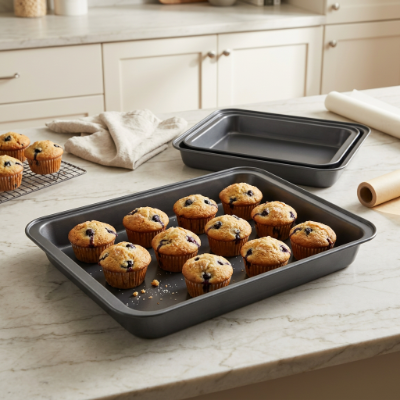
Which Pieces Actually Belong in a Practical Set?
Here is where marketing and reality part ways. Some sets look impressive on a product page but include shapes you may use twice a year. Before comparing offers, think about what you bake in a normal month.
The everyday core
A steady rotation of these four covers everyday baking:
| Piece | What it handles well | Typical user |
|---|---|---|
| Round cake pans (a pair) | Layer cakes, cheesecakes, deep-dish pizza nights | Anyone who bakes for family or friends |
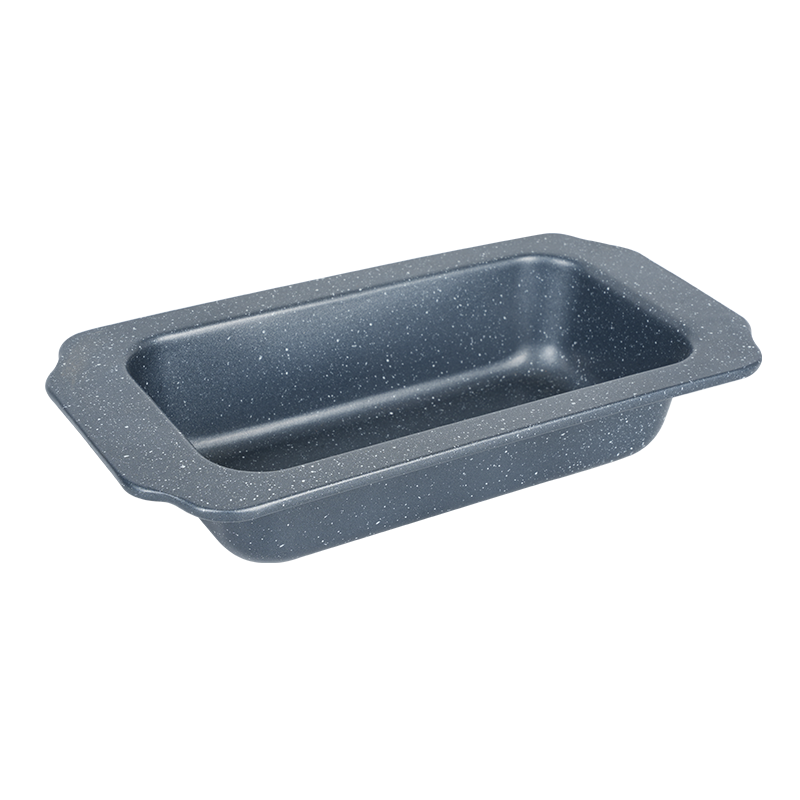
| Loaf pan | Banana bread, pound cake, meatloaf, small-batch bread | Beginners and meal preppers alike |
| Muffin pan | Muffins, cupcakes, egg bites, portioned snacks | Busy households, lunchbox season |
| Rectangular baking pan | Brownies, casseroles, sheet dinners, roasted vegetables | Almost everyone, several times a week |
If a set covers these four jobs, it covers roughly ninety percent of home baking.
The extras that earn their keep
Beyond the core, a few additions tend to justify themselves:
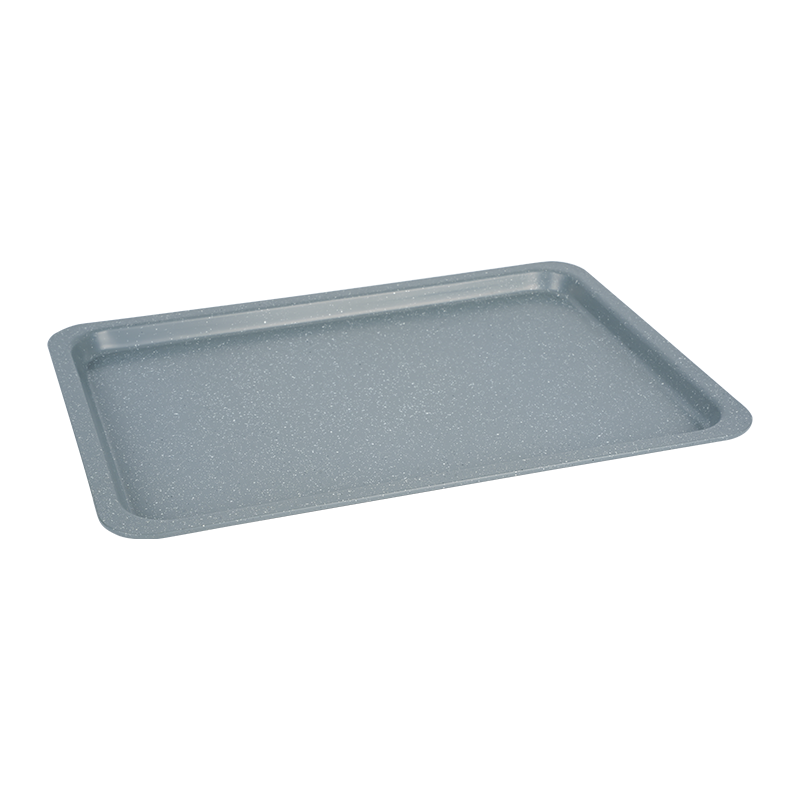
- A cookie sheet or flat tray, for anything that needs air circulation and quick browning.
- A small square pan, useful when a full recipe is simply too much food for two people.
- A cooling rack if it is included, because it doubles as a roasting insert inside the rectangular pan.
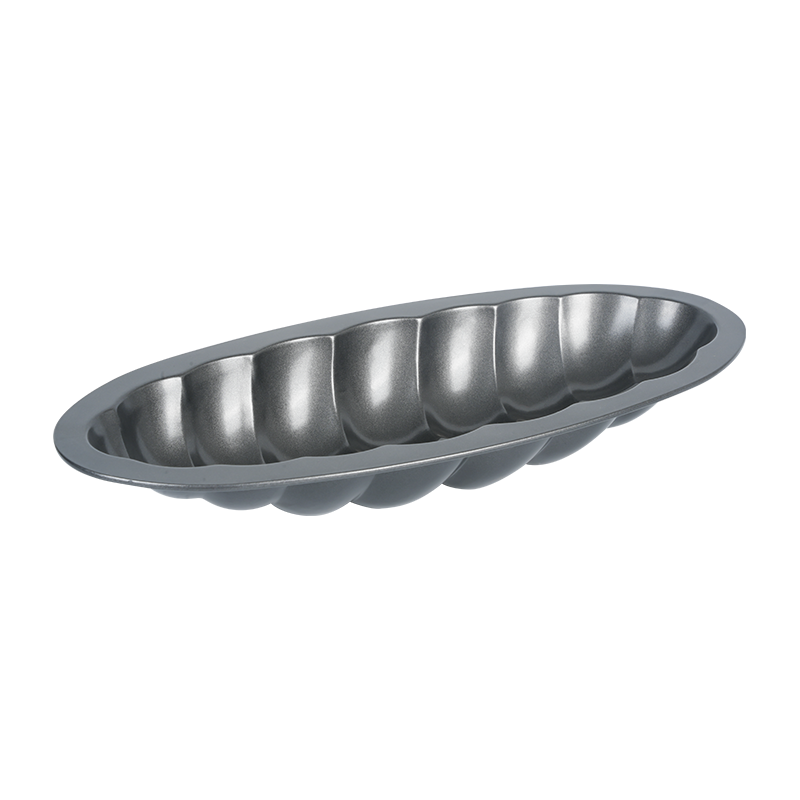
Then there are the pieces to be skeptical about. Highly decorative molds, unusual novelty shapes, and deep specialty pans often photograph beautifully and then sit unused. A set is not a collection of everything; it is a toolkit for the baking you actually do.
How Can You Judge Coating Quality Without Lab Equipment?
Product listings throw around coating names and certifications, and much of it is hard to verify from a photo. Still, a few hands-on signals tell you a lot before you commit.
Weight and balance
Pick the pan up, virtually or in person. A pan that feels flimsy often warps early, and a warped pan never sits flat on a rack again, which shows up as uneven browning. Heavier construction generally points to thicker metal and steadier heat behavior. You do not need a specific number here; the comparison between two pans in your hands tells you plenty.
Evenness of the surface
Run your eyes across the coating under light. A quality finish looks uniform, without thin patches, bubbles, or rough specks. Uneven coating is a warning sign because it usually wears through at the thin spots, and worn spots are where food begins to stick.
Edges and rolled rims
Smooth, rolled edges are a small detail with a large effect. They resist chipping, feel safer to handle, and help the pan hold its shape through years of thermal cycles. Sharp or unfinished edges tend to be where failure starts.
Which Everyday Habits Wear Down a Coating Early?
Even a well-made set loses its release power faster than it should when daily habits work against it. Coating damage traces back to a short list of behaviors:
- Cutting inside the pan. Knives and metal spatulas scratch the finish. Use silicone, wood, or nylon tools instead.
- Shock-heating an empty pan. Dry heat with nothing in the pan pushes surface temperatures beyond what coatings are designed for.
- Cleaning with abrasive pads. Steel wool strips the finish in streaks. Warm water, a soft sponge, and a little patience do the job.
- Stacking pans bare. Pan rubbing against pan acts like sandpaper over months. A paper towel or cloth between pieces costs nothing and prevents it.
- Using spray oils constantly. Aerosol sprays leave a residue that builds into a sticky layer no sponge removes easily. Brush-on oil gives the same release without the buildup.
None of these demand extra spending. They are simply the difference between a set that feels worn within a year and one that stays dependable for many seasons.
Is a Bigger Set Always a Smarter Purchase?
It is tempting to assume twelve pieces beat six. In practice, the opposite is often true. Large sets frequently pad the count with small duplicate pieces, and every additional pan takes up cabinet space whether you use it or not.
A more useful way to size your purchase:
- If you bake occasionally, a four or five piece core set usually covers everything you will realistically make.
- If you bake weekly or share the kitchen with another baker, a mid-size set with a second sheet and extra muffin capacity saves the morning shuffle.
- If you buy for a shop, café, or gift program, matched sets in consistent packaging simplify stock management and look far tidier on a shelf.
The question is never how many pieces a set contains. The question is how many of them you will reach for without thinking.
What Should Retail Buyers Check Before Ordering a Set?
For importers, shop owners, and online sellers, a non stick baking pan set is also a logistics decision, and a few checks protect you before the container ships.
- Coating compliance. Ask which food-contact regulations the finish meets for your destination market, and request the documentation rather than taking a listing at its word.
- Nesting and packing. Sets that nest tightly reduce carton size, which reduces freight cost per set. Ask for the packed dimensions, not just the product dimensions.
- Label and packaging flexibility. If you sell under your own brand, confirm early how the manufacturer handles private labels and what the minimum order looks like.
- Sample before volume. Bake something sticky in the sample. Release behavior under real batter tells you more than any catalog description.
A manufacturer that answers these questions readily is showing you how the whole relationship will go.
Questions People Ask Before Buying
Can a non stick set go from oven to fridge?
Metal pans with a sound coating tolerate temperature changes in normal kitchen use, but letting hot pans rest briefly before they meet cold surfaces protects both the coating and your counters.
Do paper liners still make sense?
Yes, for muffins and cupcakes, liners keep cleanup effortless and make sharing simple. For loaf pans and rectangular pans, a light brush of oil usually does the job on its own.
How do you revive a coating that has started to stick?
A gentle paste of baking soda and warm water, left to sit and then wiped with a soft sponge, lifts much of the residue that causes sticking. If sticking persists across the whole surface, the coating has done its work and the pan has earned retirement.
Are darker or lighter pan finishes different?
They behave differently. Darker surfaces absorb heat faster and brown quicker, which suits recipes where color is the goal. Lighter finishes heat more gently and forgive the inattentive baker. Sets that mix both, deliberately, give you flexibility across recipes.
A Simple Way to Decide
Take the four everyday jobs from the table above and check whether the set handles them with consistent construction, a uniform finish, and edges that look finished rather than cut. Then match the set size to how often you truly bake, and check the care habits you are willing to keep.
Do that, and the set you choose will be judged the way bakeware should be judged: by the cakes that slide out cleanly and the drawers that still close at the end of the year.