

 русский
 Español
The company relies on a high degree of brand awareness, fine product quality, convergence of multiple strong advertising media power, and through the integration of capital, knowledge, talent technology, channels, information operations.
Microwave baking has become an interesting option for people who want quick and simple ways to prepare desserts. Unlike traditional ovens, microwaves focus on heating food through internal energy movement rather than surrounding heat. This difference changes how baking tools perform.
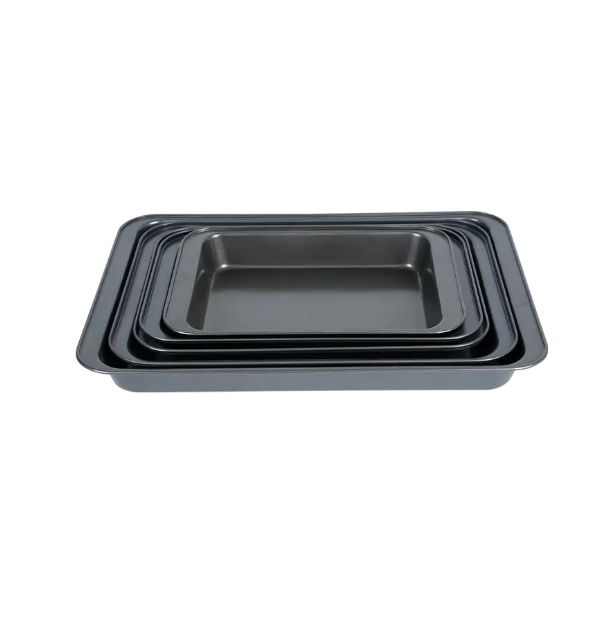
A cake pan may look suitable for many cooking situations, but not every type of pan is designed for microwave use. Choosing the wrong material or using a pan in an unsuitable situation may affect the baking result and create safety concerns.
Understanding when to avoid using a cake pan in microwave helps home bakers and food businesses make better decisions. The right choice depends on the pan material, product design, and intended use.
Why Is Choosing the Right Cake Pan Important for Microwave Use?
A cake pan was never just a container for holding batter. It shapes how heat actually reaches the mixture, and how evenly the cake develops while it cooks.
Different cooking methods demand different tools. A pan that performs beautifully in a traditional oven won't necessarily behave the same way once it's sitting inside a microwave.
Microwave cooking carries its own quirks:
- Heat generates differently compared with oven baking
- Some materials respond poorly to microwave energy
- Certain designs can throw off cooking results
- Incorrect use can damage either the pan or the equipment itself
How the microwave and the cake pan interact together plays a genuinely big role in getting a safe, workable baking process.
When Should You Avoid Using Metal Cake Pans in a Microwave?
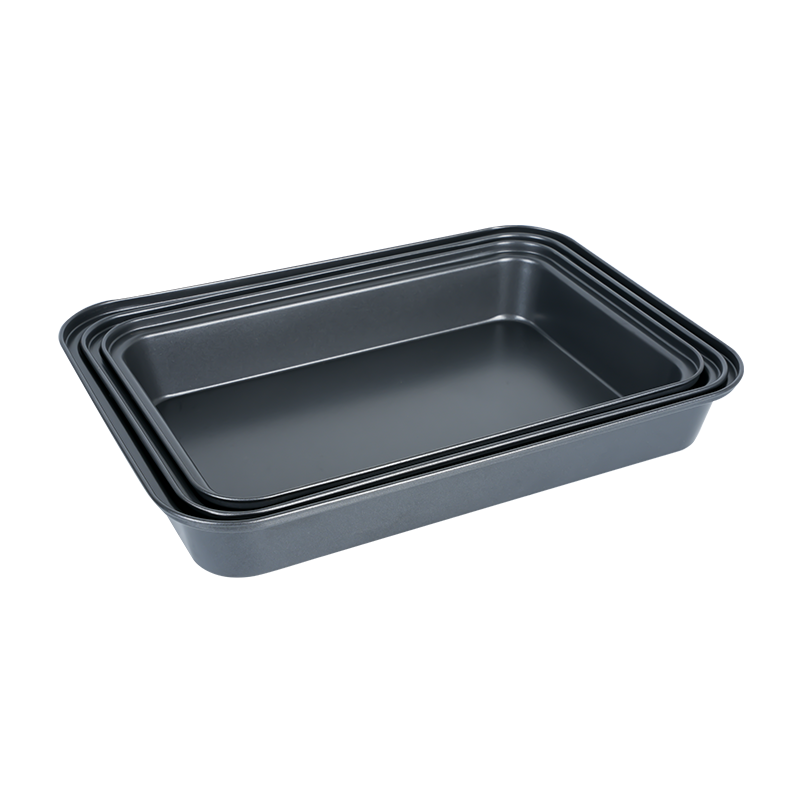
Metal cake pans show up constantly in traditional baking because they handle high heat well and hold their shape under pressure. In a microwave, though, they're usually not the right call at all.
Metal interacts with microwave energy in ways that create real problems. The surface tends to reflect energy rather than letting it actually heat the food, and that can lead to uneven cooking or even mess with how the microwave itself operates.
Steer clear of metal cake pans in a microwave when:
- The microwave's instructions rule out metal containers
- The pan carries decorative metal elements anywhere on it
- The product was designed strictly for oven baking
- There's genuine uncertainty about material compatibility
For microwave baking specifically, most users end up gravitating toward materials built with that exact method in mind.
Can Damaged Cake Pans Create Problems in Microwave Cooking?
A pan's condition matters just as much as what it's made of. A damaged pan can underperform even when the original design was genuinely suited for microwave use.
Common issues worth watching for:
- Cracks or broken sections
- Surface damage of any kind
- Deformation after repeated use
- Any shift away from the pan's original shape
These problems can genuinely throw off how the batter cooks. A damaged pan also tends to get harder to clean properly, which quietly affects every batch that follows.
Regular inspection helps users figure out whether a cake pan still holds up for continued microwave use, or whether it's time to retire it.
Why Should Certain Plastic Cake Pans Be Avoided?
Plastic cake pans come in all sorts of forms, but not every plastic material was built with microwave cooking in mind. Some just don't handle heat well, or start warping under the strain.
Before reaching for a plastic cake pan in the microwave, it's worth considering:
- Whether the material was actually designed for food heating
- Whether it holds up to repeated microwave use over time
- Whether the product information genuinely supports microwave cooking
Using an unsuitable plastic container can chip away at the pan's condition and drag down the whole cooking experience.
A product built for storage or cold food doesn't automatically become fit for baking just because it's technically plastic.
Are Old or Unknown Cake Pans Safe for Microwave Baking?
Plenty of people hang onto baking tools for years, which makes sense — but older pans with unclear origins can introduce real uncertainty into the mix.
A cake pan genuinely deserves a second look before microwave use if:
- The material information has gone missing entirely
- Its original purpose isn't actually clear
- It's been repurposed across different cooking methods over time
- The surface condition has visibly changed
Knowing a product's background cuts down on avoidable mistakes. A pan built specifically for microwave baking gives you a lot more clarity than one with murky, unknown characteristics.
How Does Cake Pan Design Affect Microwave Results?
Material isn't the only piece of this puzzle. A cake pan's shape and structure genuinely shape the final result too.
Some designs produce better outcomes simply because they distribute heat more evenly. Others create uneven zones where parts of the cake cook at completely different rates.
A few design factors worth paying attention to:
| Cake Pan Feature | Possible Influence |
|---|---|
| Shape | Affects how batter receives heat |
| Thickness | Influences cooking behavior |
| Surface condition | May affect food release and cleaning |
| Material type | Determines microwave compatibility |
A well-matched design supports a genuinely smoother baking process. A poor match between pan and microwave, on the other hand, tends to leave you with a disappointing result no matter how good the recipe was.
When Should You Avoid Using a Cake Pan Without Checking Instructions?
Many baking problems happen because users assume all cake pans work the same way. Product instructions provide useful information about intended applications.
Avoid using a cake pan in a microwave when:
- The product does not mention microwave use
- The material is unclear
- The manufacturer provides different usage guidance
- The pan was designed only for another cooking method
Taking a moment to check instructions can prevent unnecessary problems. It also helps extend the useful life of baking tools.
Could Incorrect China Cake Pan Use Affect Microwave Performance?
The microwave and the baking container work as a pair during cooking. When the pan doesn't fit, the fallout can stretch well beyond just a ruined dessert.
Possible effects include:
- Uneven heating throughout the cake
- Reduced cooking efficiency overall
- Unusual or unpredictable cooking behavior
- Potential concerns for the equipment itself
A suitable cake pan lets the microwave actually work the way it's meant to. Choosing compatible tools supports a genuinely smoother cooking process from start to finish.
What Types of Cake Pans Are Commonly Considered for Microwave Use?
Most microwave users gravitate toward materials that are lightweight, flexible, and genuinely built to handle heat exposure.
Common options include:
- Silicone baking molds
- Microwave-compatible food containers
- Certain heat-resistant materials built for this purpose
Silicone cake pans come up a lot in these conversations because they're flexible and easy to handle overall. Still, it's worth double-checking that any specific product is genuinely rated for what you're planning to do with it.
Material alone doesn't decide performance here. Product design and manufacturing quality shape the results just as much.
How Can Users Avoid Common Mistakes When Using Cake Pans in Microwaves?
A handful of simple habits go a long way toward improving the whole microwave baking experience.
Worth building into your routine:
- Checking a pan's intended use before baking with it
- Steering clear of damaged or unsuitable containers
- Following the microwave's own guidelines closely
- Cleaning the pan thoroughly after each use
- Replacing tools once they start showing real wear
These small steps add up to genuinely better control over the whole cooking process.
For businesses producing baking products, clear usage instructions on the packaging go a long way toward helping customers use cake pans correctly from the start.
Are Microwave Cake Pans Changing the Way People Bake?
Convenient cooking methods keep reshaping how people approach food at home, and microwave baking offers a genuinely faster route for small portions and simple recipes.
That shift has fed growing interest in baking tools built specifically for flexible cooking environments. Manufacturers are paying closer attention these days to materials, real user needs, and genuinely practical designs.
At the same time, safe use hasn't dropped out of the conversation at all. A cake pan isn't suited to every cooking method out there, and understanding exactly what it was built for helps people make smarter choices in the kitchen.
Deciding when to avoid using a cake pan in a microwave really comes down to a handful of factors — material, condition, and design chief among them. Careful selection here supports safer cooking and genuinely better baking results, while cutting down on the kind of avoidable problems that crop up when the wrong pan meets the wrong appliance.