

 русский
 Español
The company relies on a high degree of brand awareness, fine product quality, convergence of multiple strong advertising media power, and through the integration of capital, knowledge, talent technology, channels, information operations.
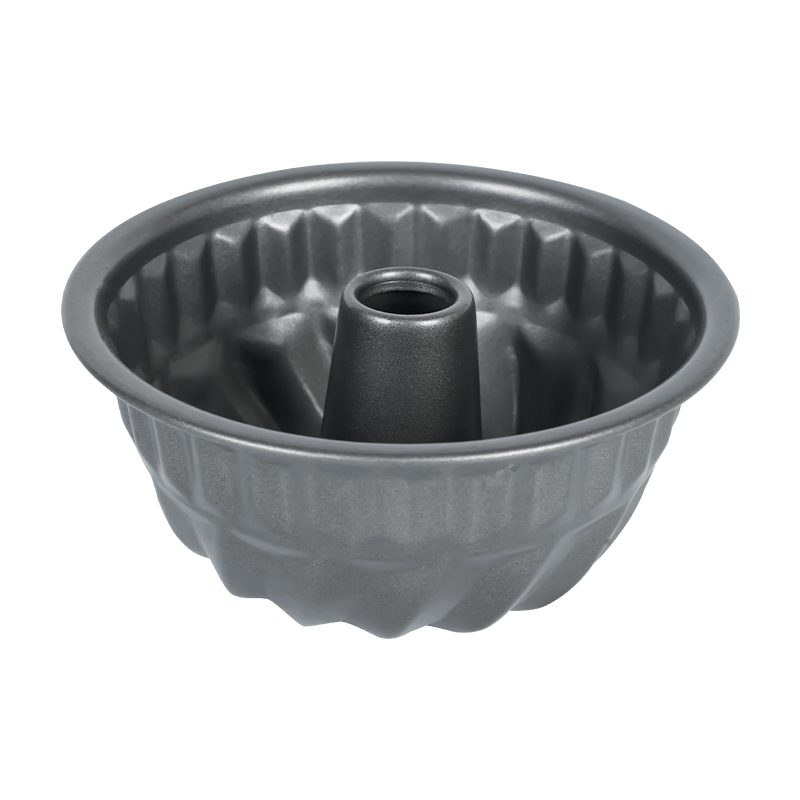
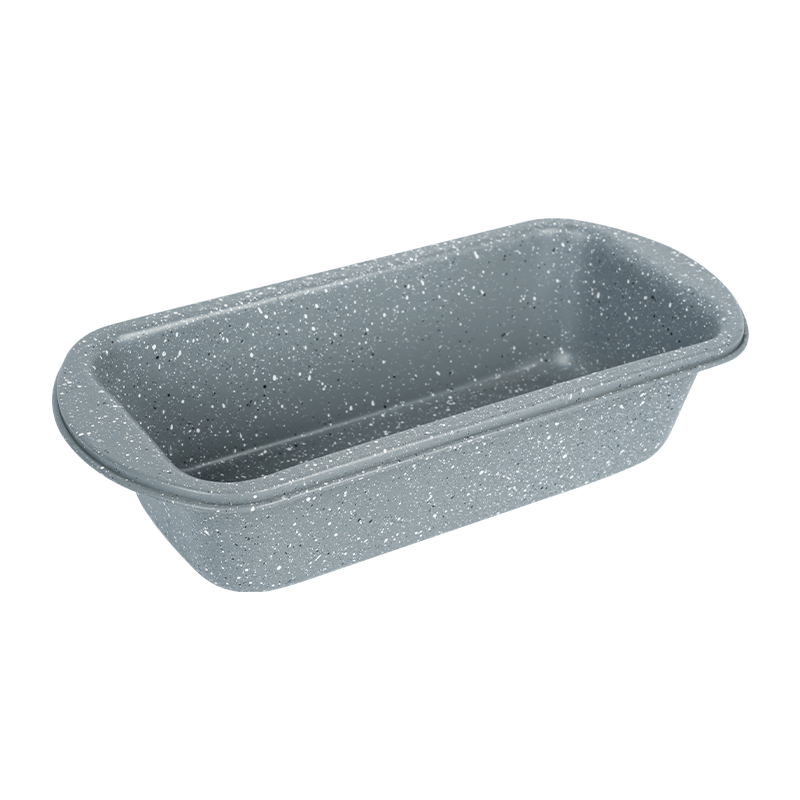
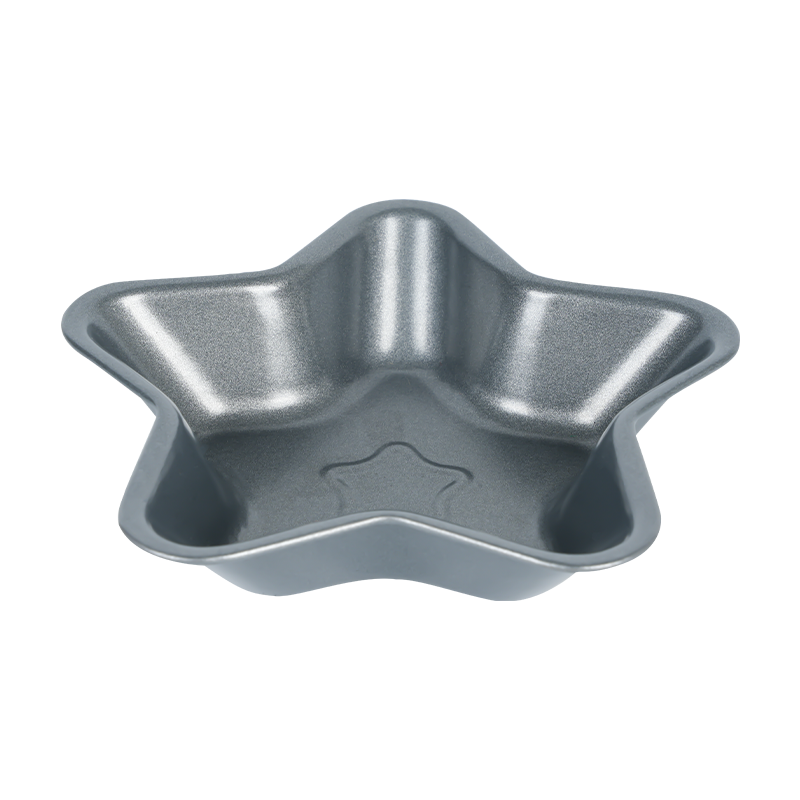
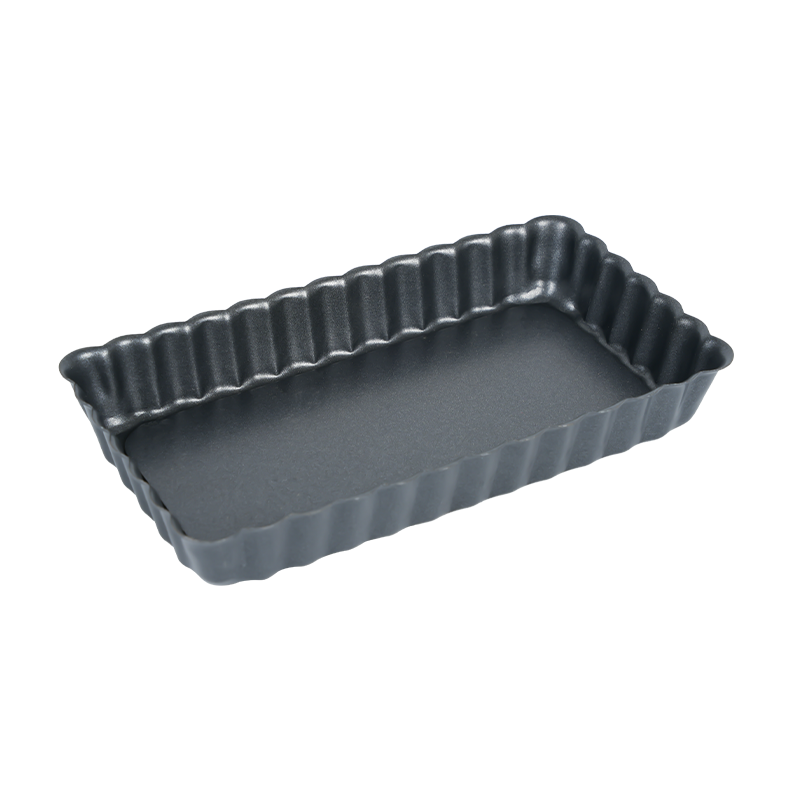
Carbon Steel Bakeware Factory products are increasingly popular among professional and home bakers.
Choosing the right bakeware impacts cooking efficiency, baking quality, and overall kitchen experience.
Comparing carbon steel bakeware to stainless steel pans helps users understand the strengths and limitations of each material.
Heat Conductivity and Cooking Efficiency
Rapid Heating:
- Carbon steel heats up quickly, reducing preheating time.
- Ideal for recipes that require quick temperature adjustments, such as cookies, pastries, and thin-crust pizzas.
Even Heat Distribution:
- Carbon steel provides uniform heat across the pan, reducing hot spots.
- Stainless steel alone may create uneven cooking unless paired with aluminum or copper cores.
Temperature Responsiveness:
- Carbon steel responds faster to oven temperature changes.
- Stainless steel pans heat more slowly but retain temperature longer once fully heated.
Browning and Texture Performance
- Enhanced Browning:
Carbon steel promotes the Maillard reaction more effectively due to higher thermal conductivity.
Foods like bread, cookies, and roasted vegetables develop richer color and flavor.
- Crispiness Advantages:
Carbon steel allows moisture to evaporate efficiently, producing crispier crusts.
Stainless steel tends to retain more moisture, which can result in softer textures.
- Versatility in Baking:
Carbon steel excels for baking items needing crisp edges or browning.
Stainless steel is better suited for casseroles or recipes requiring gentle, uniform heat.
Durability and Longevity
1. Material Strength:
Carbon steel is strong, resistant to warping, and can withstand high temperatures.
Stainless steel is also durable but may deform under extreme heat or uneven use.
2. Seasoning Benefits:
Carbon steel can be seasoned to create a natural non-stick layer over time.
Stainless steel does not develop seasoning and often requires additional non-stick coatings.
3. Long-Term Value:
With proper care, carbon steel bakeware can last decades, improving cooking performance with use.
Stainless steel lasts long, but does not improve in performance over time.
Weight and Handling
Lightweight Convenience:
- Carbon steel is lighter than most stainless steel pans, making it easier to handle.
- Useful for transferring large trays or handling multiple pans at once.
Energy Efficiency:
- Lighter pans heat faster, reducing oven energy consumption.
- Stainless steel pans require more energy to heat but retain heat longer.
Maintenance and Care
Cleaning Requirements:
- Carbon steel should be dried immediately after washing to prevent rust.
- Regular seasoning enhances non-stick properties and protects the pan.
Stainless Steel Ease:
- Stainless steel is easier to clean, dishwasher safe, and resistant to rust.
- However, it requires oils or liners to prevent sticking for delicate baked goods.
Cost Considerations
- Initial Investment:
Carbon steel bakeware may cost more upfront, but it offers good performance and longevity.
- Long-Term Value:
Investing in carbon steel often reduces the need for frequent replacements.
Stainless steel is usually less expensive but may require additional coatings to match carbon steel performance.
Practical Use Cases
Good for Quick Baking:
Carbon steel is ideal for cookies, pizza, tarts, and pastries.
High-Temperature Cooking:
It can handle broiling, roasting, and searing better than stainless steel.
Everyday Use:
Stainless steel is suitable for general-purpose baking, casseroles, and oven-safe dishes where non-stick release is less critical.
Making an Informed Choice
Carbon steel bakeware, especially from a Carbon Steel Bakeware Factory, offers rapid heating, good browning, crispiness, lightweight handling, and long-term durability.
Stainless steel provides ease of cleaning, rust resistance, and stability, but lacks the browning and heat responsiveness of carbon steel.
Choosing the right pan depends on cooking style, recipe types, and maintenance preferences.
Understanding the strengths and weaknesses of each material allows bakers to improve efficiency and achieve consistent, high-quality baking results.