

 русский
 Español
The company relies on a high degree of brand awareness, fine product quality, convergence of multiple strong advertising media power, and through the integration of capital, knowledge, talent technology, channels, information operations.
Commercial food and bakery operations are always evolving to keep up with shifting consumer tastes, updated menu offerings and optimized production workflows. A small boutique bakery focused entirely on handmade artisanal desserts has vastly different equipment requirements compared to large-scale food service factories running high-volume, mass-production lines.
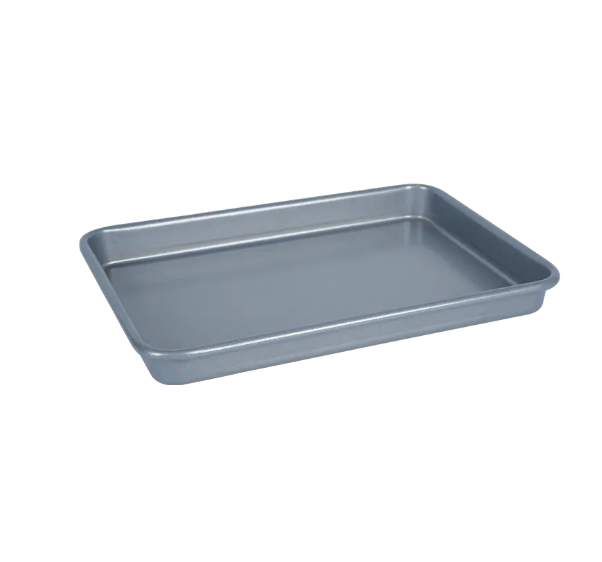
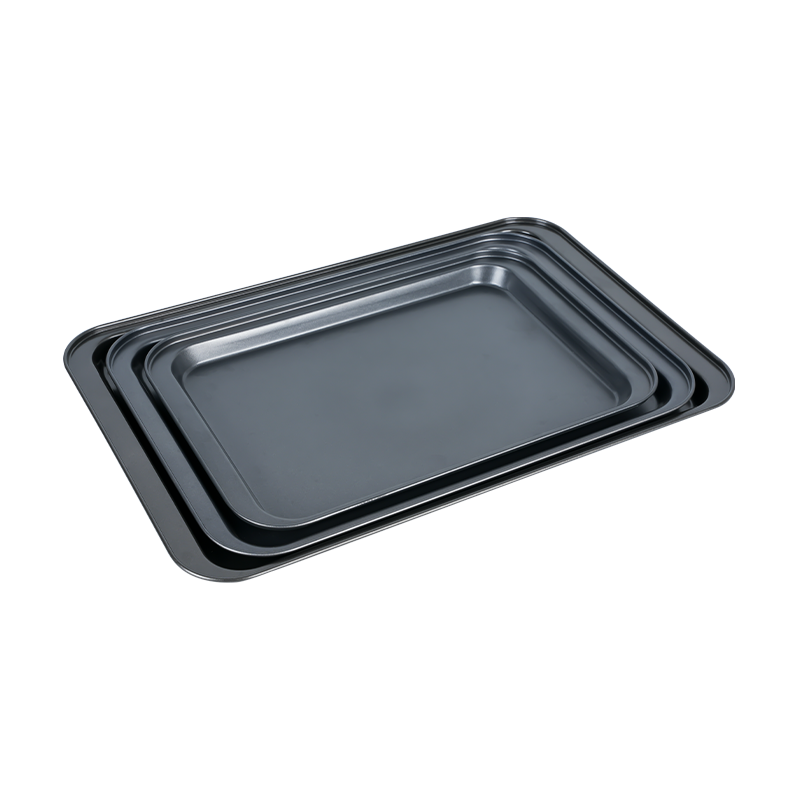
Among all professional kitchen gear, baking trays often get overlooked as basic, one-size-fits-all tools. In reality, tray design directly impacts everyday kitchen efficiency. Every detail — overall size, shape, surface finish and handling structure — plays a key role in streamlining or slowing down daily baking and prep work.
This is why more and more food businesses are moving beyond generic standard trays and opting for custom baking tray solutions tailored to their unique production routines. Meanwhile, hardware manufacturers are also adjusting their service models. Instead of only supplying ready-made products, they actively collaborate with clients to design trays that fit real on-site kitchen working conditions.
Why Standard Baking Trays Cannot Fit All Commercial Kitchens?
Standard baking trays are popular for a reason — they cover most basic baking needs and come in designs that are pretty much available everywhere. For conventional, low-difficulty baking work, they honestly do the job fine, and most entry-level kitchen setups get along with them just okay.
But commercial kitchens don't all operate the same way. A small independent pastry shop, a high-end hotel kitchen, and a large-scale industrial food production facility are basically working in three different worlds — different workflows, different scale, different priorities entirely. Each one runs into its own specific pain points that a generic tray was never really designed to solve.
A tray that works great in one kitchen might turn out to be a pain, or just flat-out impractical, somewhere else. Plenty of food businesses have pretty specific needs that a standard, one-size-fits-all tray just can't keep up with, like:
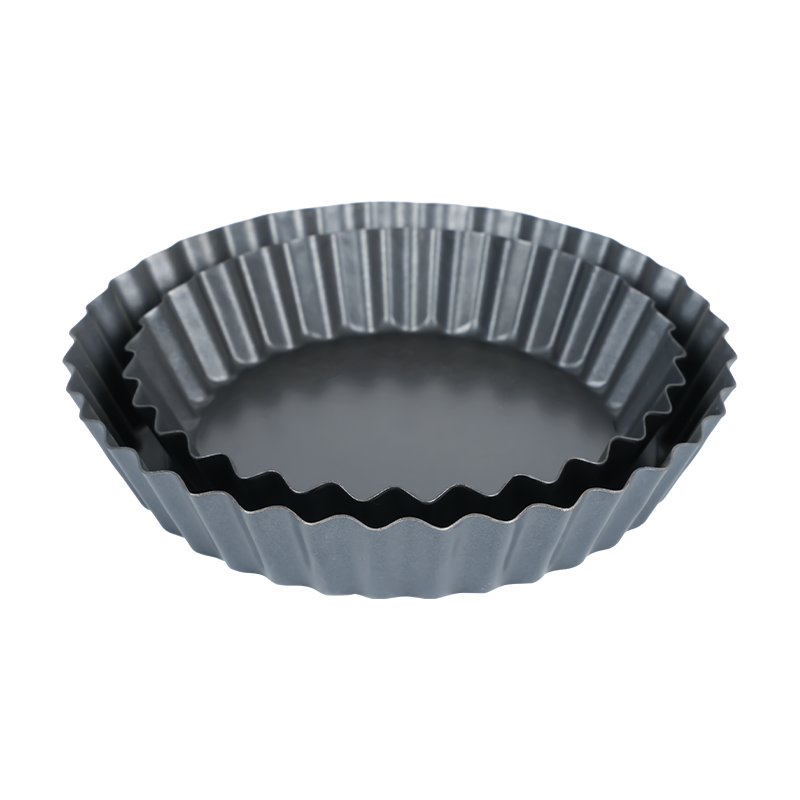
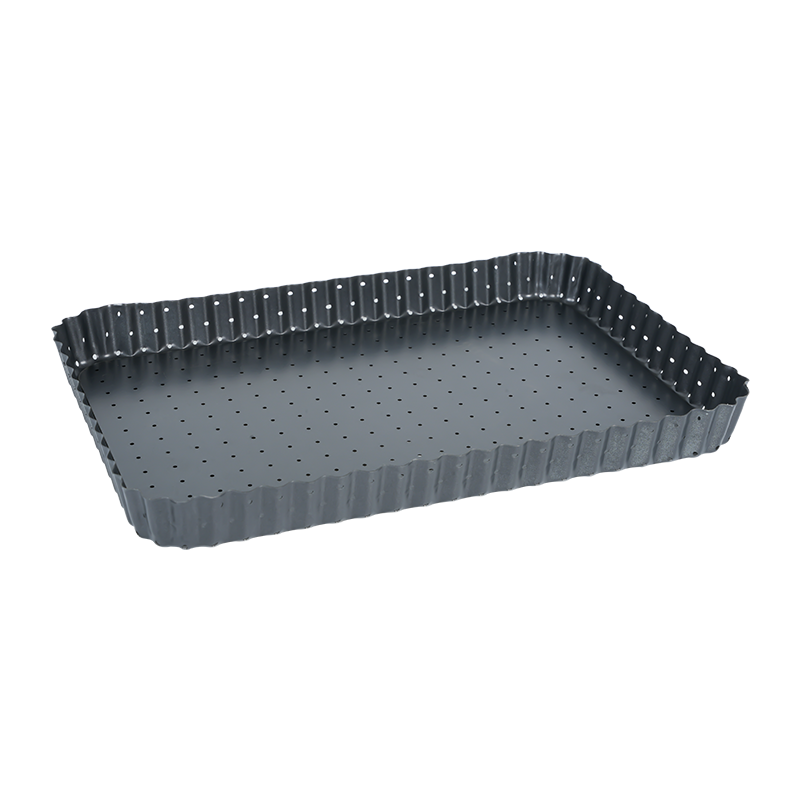
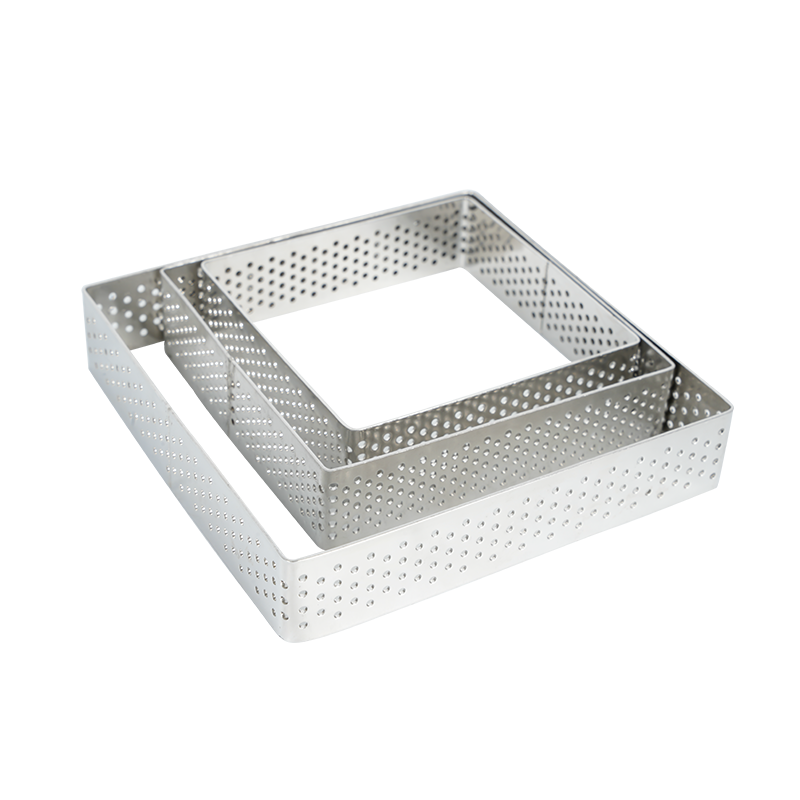
- Fitting custom shapes for pastries and baked goods
- Making the most of tight cabinet or oven space
- Making batch transport and handling less of a hassle
- Cutting down cleaning and maintenance time after production
- Keeping continuous batch baking running smoothly
Take a bakery that specializes in intricate decorated pastries, for example — they care a lot about precise placement so finished designs don't get damaged. Meanwhile, a commercial kitchen baking trays churning out mass meals every day is thinking more about how easy the trays are to stack, handle, and store long-term. That's really where customization steps in — filling exactly the gaps that standard products just weren't built to cover.
Key Customizable Features of Commercial Baking Trays
Customization does not always require full product redesign. Most practical custom solutions rely on targeted, precise modifications to existing tray designs, making them fully adapted to specific baking scenarios. Manufacturers can adjust multiple core features based on clients'actual production needs.
| Customization Area | How It Helps Different Baking Needs |
|---|---|
| Shape and size design | Matches different food products and kitchen layouts |
| Surface style | Supports different baking and handling processes |
| Material selection | Fits different working environments |
| Packaging options | Helps with storage and business requirements |
The entire customization process starts with in-depth communication about on-site usage scenarios. Professional manufacturers first learn about a kitchen's daily production habits, existing operational bottlenecks and product types, then propose targeted modification solutions. This user-centric approach avoids unnecessary over-design and ensures every custom tray delivers tangible value in real kitchen operations.
Core Benefits of Custom Baking Trays for Bakeries
Most bakeries end up juggling a pretty wide product range — everything from traditional bread and everyday pastries to fancier, custom-designed desserts. Each of these categories comes with its own shaping needs, baking quirks, and handling requirements, and generic trays tend to struggle keeping up with all of that at once.
Custom baking trays really end up smoothing out a lot of the daily workflow for a bakery, and the benefits stick around long-term:
- Products sit more neatly in place, so there's less risk of them deforming or getting damaged during baking
- Moving semi-finished and finished products between workstations goes a lot smoother
- Stacking and storage stay more standardized, which frees up kitchen space
- Batch after batch turns out more consistent, keeping quality steady across production
For branded bakeries that stick to fixed product styles and standardized processes, custom trays basically become part of the daily production setup itself. They're not just holding baked goods — they end up standardizing how the whole workflow runs, cutting down on manual mistakes, and pushing overall efficiency up a notch.
Custom Tray Applications for Restaurants and Food Service Businesses
Restaurants, hotels, and catering companies deal with a huge variety of food prep work day to day, menus keep changing, and equipment gets used constantly. Kitchen tools in these settings really need to keep up with that kind of shifting, unpredictable demand.
Custom commercial baking trays are built with exactly that flexibility in mind, helping with things like:
- Handling a wide range of baked menu items, each with different sizes and baking needs
- Standing up to frequent daily use and repeated washing without wearing down
- Adjusting easily to different kitchen layouts or busier peak periods
- Making handling easier and less tiring for kitchen staff across the board
Hotel kitchens are a good example of this in action — they've got to prep all sorts of baked goods for breakfast buffets, banquets, and private dining, often all in the same day. Custom trays sized and structured for those specific needs end up making ingredient prep, batch baking, and plating noticeably easier to manage. For food service businesses where kitchen efficiency directly impacts service quality and costs, going custom on trays tends to pay off in some pretty obvious ways.
How Manufacturers Design Custom Baking Trays?
Developing qualified custom baking trays relies on close, detailed communication between buyers and manufacturers. Professional suppliers never adopt a one-size-fits-all modification approach.
Before finalizing any design, manufacturers will fully investigate key on-site information, including specific baked product types, drawbacks of the kitchen's existing trays, limited kitchen space conditions and daily usage frequency.
After sorting out all demand details, the design team drafts targeted solutions. Throughout the design process, manufacturers balance customer personalized needs with production feasibility and practicality. A good custom tray design must not only meet on-site baking requirements but also support stable, cost-effective mass production, avoiding impractical designs that cannot be implemented or cause unnecessary cost waste.
Why Material Choice Matters for Custom Trays?
Tray material is the foundation of its overall performance and long-term usability, directly affecting daily use experience, baking effect and service life. Different commercial kitchens have distinct environmental conditions and usage habits, leading to different material demands.
When customizing trays, professional manufacturers comprehensively evaluate multiple practical factors: daily product handling standards, regular cleaning methods, long-term storage conditions and overall production environment intensity.
Some kitchens prioritize lightweight materials to reduce staff handling fatigue during frequent batch operations. Others focus on high hardness, wear resistance and high-temperature resistance to cope with long-duration, high-intensity daily use.
There is no universal material solution suitable for all scenarios. The optimal choice is always matched to specific usage needs. Experienced commercial baking tray manufacturers can provide professional material selection suggestions based on rich industry experience, helping clients balance performance, durability and cost.
Key Factors for Buyers Before Custom Ordering
Customization brings flexible, personalized equipment solutions, but blind customization easily leads to wasted costs and mismatched products. Food businesses need to sort out their core demands and evaluate suppliers carefully before placing custom orders.
Usage Purpose
Clarifying specific baked product types, specifications and baking processes helps manufacturers design targeted tray structures and surface treatments, avoiding universal designs that fail to solve practical problems.
Production Process Adaptability
Custom trays must align with existing kitchen workflows, oven sizes and storage systems. The goal is to optimize efficiency rather than disrupting original production rhythms or adding extra operational steps.
Supplier Professionalism
Suppliers with rich commercial baking industry experience can accurately capture hidden pain points in kitchen operations, providing more practical optimization suggestions beyond simple demand execution.
Communication Efficiency
Clear and detailed demand communication throughout the design and proofing process avoids design deviations, repeated revisions and delayed delivery cycles.
Choosing a custom tray supplier is more than selecting a processing factory — it is partnering with a professional team that understands commercial kitchen operation logic.
Can Manufacturers Meet Diverse Business Customization Needs?
Leading commercial baking tray manufacturers now offer highly flexible customized services, covering small-batch personalized customization for boutique bakeries and standardized large-batch customization for chain catering brands and food factories.
Their full-cycle support includes early-stage design consultation, targeted product structure adjustment, sample proofing and mass production scheduling. Clients can participate in every design link to ensure the final products fully match their operational needs.
This interactive cooperation model also helps manufacturers accumulate rich industry experience. Diverse custom project demands drive them to continuously optimize production processes and upgrade product performance, forming a positive cycle of service and technical improvement.
Evolving Market Demand for Custom Baking Trays
The global food industry is becoming increasingly diversified and personalized. To stand out in market competition, food businesses are constantly upgrading products and optimizing production systems, which in turn drives growing demand for customized professional kitchen equipment.
Modern food companies no longer view baking trays as simple auxiliary tools. Instead, they regard them as key equipment that affects production efficiency, product quality and operational standardization. Businesses are actively seeking custom trays that can match their exclusive production styles, streamline daily organization, support multi-product line production and cut down redundant operational steps.
As flexible, refined production becomes the mainstream trend in the food industry, customized commercial baking tray solutions will remain a core service direction for manufacturers and a key optimization choice for food service enterprises.