

 русский
 Español
The company relies on a high degree of brand awareness, fine product quality, convergence of multiple strong advertising media power, and through the integration of capital, knowledge, talent technology, channels, information operations.
The baking business keeps expanding, so people's needs for cake pans have become far more varied. Small bakery shops and large food processing plants all hope to find reliable partners that can make pans fit their actual use cases.
Most buyers hit the same question when looking for cake pan sources. Should they cooperate with a supplier or a manufacturer?
These two terms often appear side by side, but they take on different jobs in the supply chain. Learning their differences lets companies pick partners with clearer judgment.
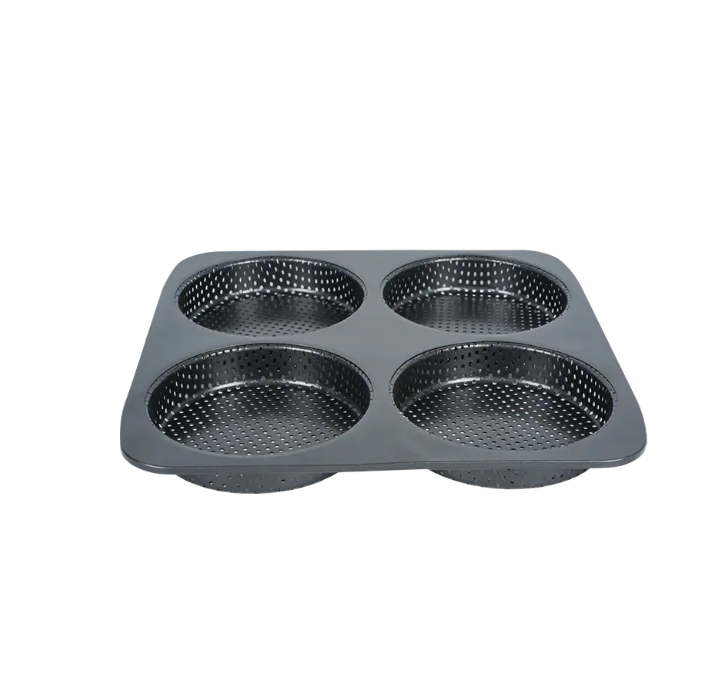
Suppliers mostly take care of sourcing goods, talking with clients and tracking orders. Manufacturers directly carry out production and develop new product styles. Both sides can bring real benefits, yet their strong points change based on each buyer's business targets.
Today's buyers think twice before placing orders. They no longer only care about whether products are available. They also check how smooth past cooperation went, custom production options, factory output capacity and long-term business plans.
Why Does the Difference Between a Cake Pan Supplier and Manufacturer Matter?
For many buyers, the choice between a supplier and a manufacturer affects more than the purchasing process. It can influence communication, product options, and future cooperation.
A cake pan supplier usually works as a connection between buyers and available products. Suppliers often have access to different product sources and can help customers find suitable options.
A manufacturer focuses on making the products directly. They manage production activities and usually have a deeper understanding of product design and manufacturing processes.
The choice depends on what the buyer needs.
| Buyer Priority | More Suitable Partner |
|---|---|
| Quick product sourcing | Supplier |
| Direct production communication | Manufacturer |
| Different product choices | Supplier |
| Custom product discussion | Manufacturer |
| Long-term product development | Manufacturer |
Neither option is suitable for every situation. The right choice depends on the buyer's business model and purchasing expectations.
What Role Does a Cake Pan Supplier Provide?
Cake pan suppliers act as a bridge between factories and buyers. They let clients get access to multiple pan lines without having to negotiate with manufacturers one by one.
Suppliers work well for companies that need flexible sourcing solutions. They can put together assorted styles and baking items to match each buyer's demand.
Many businesses prefer to work with suppliers for these practical reasons:
- Simple product selection process
- Adjustable order terms
- Consistent communication for every order
- A wide range of pan designs to pick from
- Regular updates on market trends and new styles
Companies that want to skip direct factory talks can cut down lots of working hours by partnering with a supplier.
Take retail stores as an example. They usually stock many kinds of baking tools and hope to source everything through a single partner. A supplier can streamline the whole procurement workflow and keep orders neatly arranged.
On the downside, buyers cannot follow every step of production closely. If they need to tweak pan specs or adjust production details, extra rounds of discussion with the supplier will be necessary.
How Does a Cake Pan Manufacturer Support Buyers Differently?
A cake pan manufacturer is directly involved in creating products. This allows buyers to communicate more closely with the production side.
Manufacturers usually have a better understanding of how products are designed, developed, and produced. This can be useful for businesses that need customized solutions or have specific product requirements.
Working with a manufacturer may provide advantages such as:
| Manufacturer Advantage | Buyer Benefit |
|---|---|
| Direct production communication | Clearer understanding of product details |
| Product development support | Easier discussion of new ideas |
| Manufacturing knowledge | More practical suggestions |
| Production control | Better connection with product planning |
For companies developing their own baking product lines, direct cooperation with a manufacturer can create more opportunities.
Manufacturers can discuss product concepts, design preferences, and production requirements in a more direct way.
This relationship is often valuable for businesses that want to build a stable product supply system.
Should Buyers Choose a Supplier or Manufacturer for Custom Cake Pans?
Customization is one area where the difference between suppliers and manufacturers becomes more noticeable.
Many baking businesses are no longer satisfied with general products. They may want cake pans with specific designs, shapes, or features that match their market needs.
A manufacturer is usually closer to the production process. This allows more direct conversations about product changes.
The customization process often includes:
- Discussing product ideas and customer requirements
- Reviewing possible production options
- Adjusting designs based on practical needs
- Confirming production details
- Developing a suitable product solution
A supplier may also support customization by working with production partners. However, communication may involve more steps because the supplier is not directly responsible for manufacturing.
For buyers who value direct cooperation during product development, a manufacturer may provide a different experience.
How Do Price Considerations Differ Between Suppliers and Manufacturers?
Price always weighs heavily when companies place orders, yet the figure alone cannot reflect the whole value of a deal.
Suppliers and manufacturers set prices in separate ways, as they take on distinct work within the supply chain.
Suppliers build extra fees into their quotes to cover sourcing work, ongoing client communication and full order coordination. These bundled services make purchasing much easier for many buyers.
Manufacturers calculate costs mainly around raw materials, production labor and direct factory collaboration.
While comparing offers, buyers usually weigh up these key points:
- Specific standards the cake pans need to meet
- Long-term order schedules
- How much back-and-forth communication they expect
- Any custom shapes or surface finishes they want
- Their plans for sustained business partnership
A cheaper initial quote is not always the most cost-effective pick. The true value comes down to whether the partner can fit the buyer's daily operation demands.
For shops and factories that place repeat bulk orders, learning how supplier and manufacturer pricing models vary lets them make more sensible buying choices.
What Should Buyers Consider When Evaluating a Cake Pan Partner?
Choosing a business partner requires more than checking whether products are available. Buyers often need to evaluate the complete cooperation experience.
Important questions include:
Does the partner understand your product needs?
A company that understands your market can provide more suitable suggestions.
Can the partner support future changes?
Business requirements may change over time. Flexibility can become an important factor.
How clear is communication?
Good communication helps reduce confusion during product selection and order management.
Does the partner provide useful support?
Support before and after purchasing can influence long-term cooperation.
Is the relationship suitable for your business model?
Different buyers have different goals. A retailer, wholesaler, and product developer may require different types of partners.
These questions help buyers look beyond simple product transactions.
How Are Baking Businesses Changing Their Supplier Selection Process?
Baking shops and food factories no longer pick cake pan partners the way they used to. Before signing a deal, they spend more time checking product sources and figuring out how the partnership will work over time.
In earlier years, most buyers only judged suppliers based on stock levels and quotations. Nowadays, they value stable supply, clear communication and adjustable product solutions far more.
This trend is obvious for brands that want to create their own featured baking goods. They prefer partners who can join in product planning, not just deliver ready-made cake pans.
Both suppliers and factories have adjusted their services to match these new demands.
Suppliers expand their sourcing channels and lift their standard of customer service. Manufacturers keep in closer touch with buyers and offer more flexible production for custom requests.
The whole baking supply industry is leaning toward tighter, more collaborative ties between buyers and their business partners.
What Common Mistakes Do Buyers Make When Choosing Between a Supplier and Manufacturer?
Some buyers choose partners without fully understanding their own needs. This can create challenges during cooperation.
Focusing Only on Price
Price matters, but it should not be the only consideration. A suitable partner should also match product and service expectations.
Ignoring Communication Needs
Different businesses require different levels of communication. Some buyers need regular updates and direct discussions.
Choosing Without Considering Future Plans
A partner that works well for a small order may not always fit future business growth.
Not Understanding the Partner's Role
Knowing whether a company is a supplier or manufacturer helps buyers understand what type of support they can expect.
A clearer evaluation process can help businesses build stronger purchasing relationships.
How Is the Relationship Between Cake Pan Buyers and Partners Developing?
The connection between buyers, suppliers, and manufacturers is becoming more collaborative. Companies are looking for partners who can understand their business direction and provide useful support.
A cake pan supplier and a cake pan manufacturer each have their own role in the market. Suppliers can offer flexibility and sourcing convenience. Manufacturers can provide direct production communication and deeper product involvement.
For buyers, the important step is understanding which type of partner fits their current needs. As the baking industry continues to change, cooperation quality, product understanding, and service experience will remain important parts of purchasing decisions.