

 русский
 Español
The company relies on a high degree of brand awareness, fine product quality, convergence of multiple strong advertising media power, and through the integration of capital, knowledge, talent technology, channels, information operations.
Walk into any small bakery early in the morning and you'll see something interesting. The ovens are already warm, ingredients are laid out, and in one corner, stacks of cake pans are waiting quietly. They don't draw attention, yet nothing moves without them.
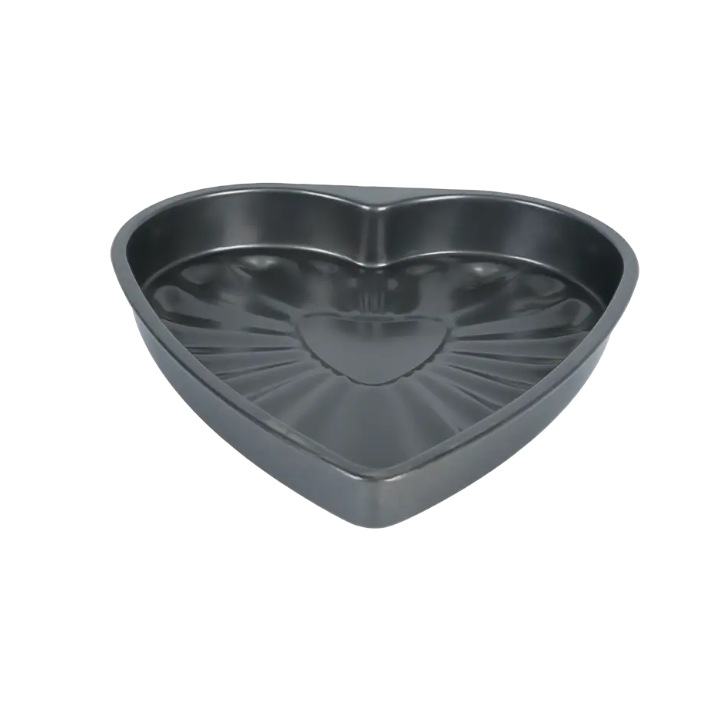
For businesses that rely on baking, choosing where those pans come from is not a casual decision. Cake Pan Wholesale buying sits behind the scenes, but it shapes daily operations in a very direct way. Over time, buyers develop a kind of instinct. They don't just compare catalogs. They observe, question, and sometimes hesitate before placing an order.
The search for a supplier often starts with a simple goal, but it rarely stays simple.
What makes a supplier feel dependable from the start?
There is usually a moment when a buyer sends out an inquiry and waits. That waiting period says more than most brochures.
Some replies come back quickly but feel rushed. Others take longer yet answer questions in a clear and steady way. Buyers notice the difference. It's not about speed alone. It's about whether the response feels grounded.
Dependability begins with small signals. A supplier who confirms details without changing them later tends to stand out. When sample arrangements are handled without confusion, it leaves a quiet sense of order.
There is also something about tone. Messages that sound overly polished can feel distant. Short, straightforward replies often build more confidence. Buyers tend to trust what feels real.
How much does product variety actually matter?
At first glance, having many options seems useful. But too many can create the opposite effect. Buyers are not just looking for variety. They are looking for clarity within that variety.
A supplier with a well-organized range makes decisions easier. The difference shows when buyers can quickly understand how one product relates to another. It saves time, especially when planning new product lines.
Most buyers are not searching for novelty in every item. They want a mix. Some pans are used daily, almost without thinking. Others come out only for specific occasions.
A practical range often feels like this:
| Type of Pan | How Buyers Tend to Use It |
|---|---|
| Standard shapes | Daily production |
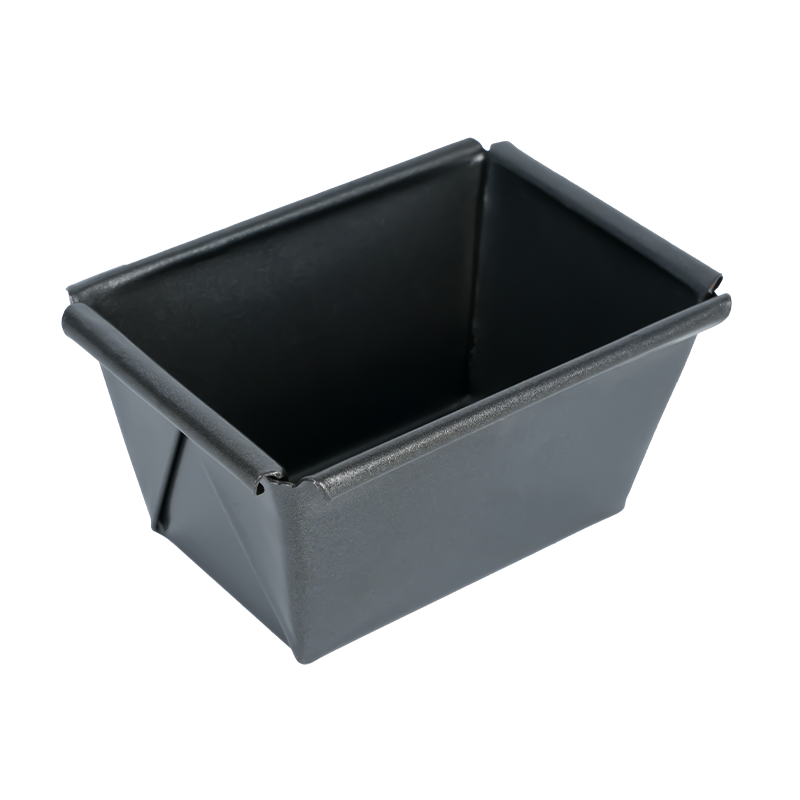
| Deeper forms | Special recipes |
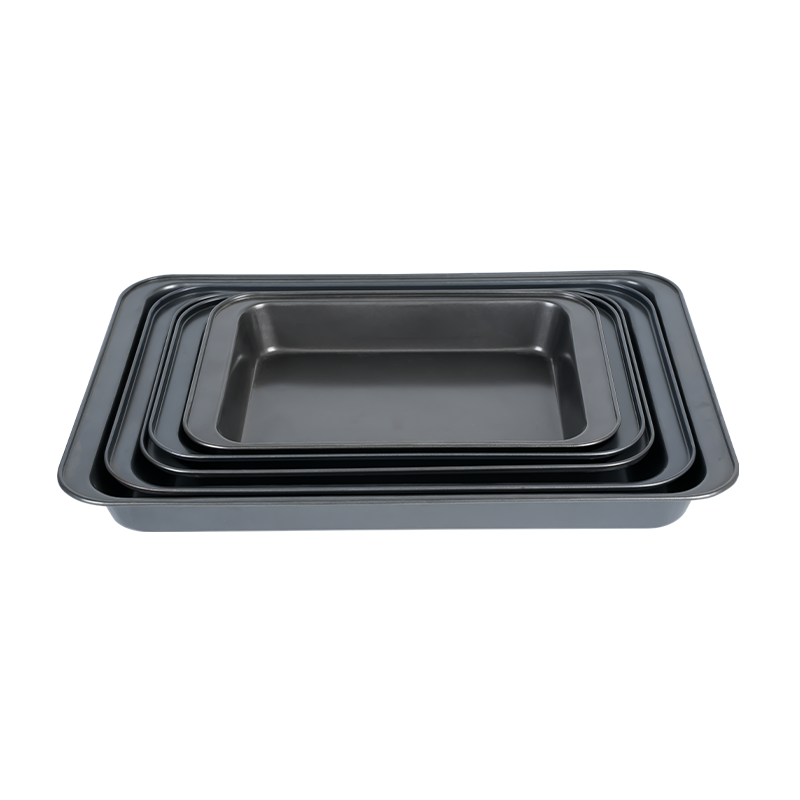
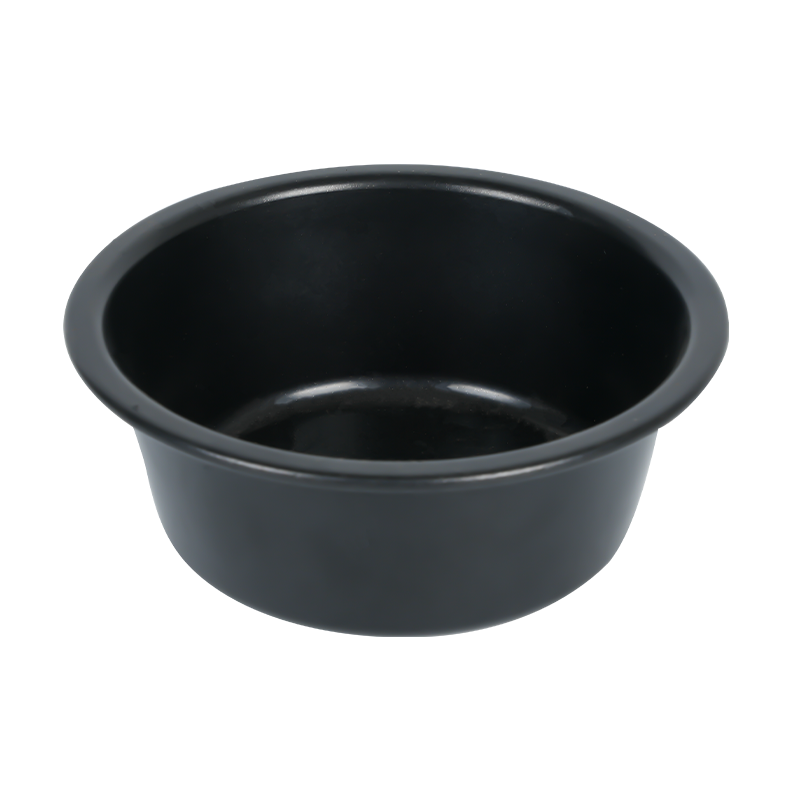
| Multi-cavity designs | Smaller portions |
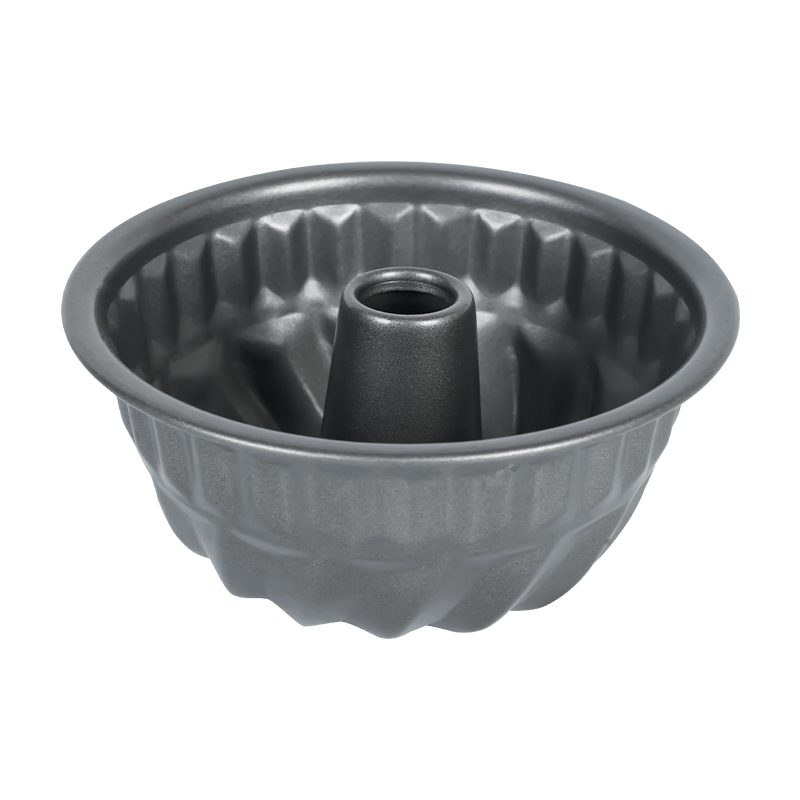
| Decorative molds | Seasonal or themed items |
When these categories feel connected rather than scattered, buyers spend less time second-guessing their choices.
Why do materials still come up in every conversation?
Even buyers who don't speak in technical terms bring up materials. They may not use precise language, but they describe what they have experienced.
Some pans heat in a way that feels predictable. Others create uneven results that are hard to fix. Over time, these experiences shape expectations.
There is also the question of handling. A pan that feels too light or too stiff can raise concerns. Buyers often imagine how it will perform after repeated use, not just during the first few batches.
Cleaning is another quiet factor. In busy kitchens, anything that slows down the process becomes noticeable. A surface that releases easily can make a difference that isn't obvious until later.
These details don't always appear in product descriptions, but they stay in the buyer's mind.
Is customization really becoming a standard request?
Not long ago, customization felt like something extra. Now it shows up in regular discussions.
Buyers want to create something that looks slightly different from what others offer. It doesn't have to be dramatic. Even a small change in shape or finish can shift how a product is perceived.
Online sellers, in particular, pay attention to this. Visual difference often translates into customer interest. For physical stores, it can influence how products sit on a shelf.
The process itself matters as much as the result. Buyers tend to prefer suppliers who explain each step without making it complicated. They want to know what can be adjusted and what cannot.
There is usually some back-and-forth. Ideas are tested, adjusted, sometimes set aside. Suppliers who stay patient during this phase are more likely to be remembered.
How do buyers think about pricing beyond the number?
Price is always visible, but it doesn't tell the whole story. Buyers often look at it from a distance before bringing it closer.
A lower number can be attractive at first. But after a few orders, other factors start to carry more weight. If delays happen or products arrive with small issues, the initial savings may not feel as meaningful.
Some buyers describe this as "hidden effort." Time spent fixing problems, adjusting stock, or explaining issues to customers adds up.
On the other hand, a slightly higher price paired with smooth cooperation can feel easier to manage. Buyers don't always express this directly, but it influences their decisions.
Value, in this context, becomes something layered. It includes the product, but also the experience around it.
Why does packaging become a topic later in the process?
Interestingly, packaging is not always discussed at the beginning. It tends to come up after buyers have seen how products arrive.
A well-packed shipment creates a sense of care. Items stay in place, surfaces remain protected, and unpacking feels straightforward. Poor packaging, even if the product itself is fine, can leave a different impression.
Retail buyers think about this from another angle. Packaging affects how products are presented. Simple and clean styles often work across different sales channels.
Some suppliers offer flexibility here. Bulk packing suits storage needs, while individual wrapping supports direct sales. Buyers appreciate having that choice without needing to negotiate every detail.
How do pricing and value interact in wholesale decisions?
Price is always part of the conversation, yet it rarely stands alone. Buyers compare cost against what they receive in return.
A lower price may attract attention at first glance. Over time, buyers consider whether that price reflects consistent quality, stable supply, and reliable service. If unexpected issues appear, the initial savings may feel less meaningful.
Some buyers prefer a slightly higher price if it brings smoother cooperation. Others focus on balancing cost with flexibility, especially when testing new products.
Value often includes elements beyond the product itself:
- Clarity in communication
- Predictable order handling
- Support during problem-solving
- Packaging that protects items in transit
These factors influence how buyers perceive overall worth.
What keeps buyers working with the same supplier over time?
Long-term cooperation rarely happens by accident. It grows through repeated interactions that feel steady.
A Cake Pan Supplier who remembers previous discussions creates a sense of continuity. Buyers don't have to repeat the same details each time. That alone can make the process feel lighter.
There is also the matter of predictability. When orders follow a familiar pattern, buyers spend less time checking and rechecking.
Over time, conversations shift. Instead of focusing only on current orders, buyers may start discussing future plans. They may ask for opinions or share ideas earlier than before.
This change is subtle, but it signals trust.
What concerns do buyers carry, even if they don't say them out loud?
Past experiences often shape silent concerns. Buyers may not list them directly, but they influence how decisions are made.
Delays are one of those concerns. Even small ones can affect schedules. When timing becomes uncertain, planning becomes harder.
Another concern is inconsistency. Products that differ from previous batches create hesitation. Buyers begin to question what will arrive next.
Communication gaps also play a role. When updates stop during important stages, uncertainty grows.
Suppliers who address these issues without being prompted tend to stand out. A simple update at the right moment can prevent unnecessary worry.
How does communication quietly shape the whole process?
Communication is not always dramatic. In many cases, it is almost invisible. Yet it connects every part of the transaction.
Buyers prefer messages that feel easy to follow. Long explanations filled with unclear points can slow things down. Clear wording saves time on both sides.
There is also a rhythm to communication. Some suppliers send updates regularly. Others only respond when asked. Buyers adapt to these patterns, but they tend to favor consistency.
When problems appear, tone becomes even more important. A calm response can ease tension. Defensive replies often have the opposite effect.
Over time, communication builds a kind of familiarity. Buyers come to know what to expect, and that expectation reduces uncertainty.
Why does flexibility become more valuable over time?
Business conditions rarely stay fixed. Demand shifts, product ideas change, and storage space can become limited without warning.
In this environment, flexibility becomes useful. Buyers look for suppliers who can adjust without creating complications.
This might involve small changes in order size or mixing different items within one shipment. It doesn't need to be dramatic. Even minor adjustments can make operations smoother.
Flexibility is often noticed when something unexpected happens. How a supplier responds in that moment tends to leave a lasting impression.
What small details end up influencing final decisions?
Some decisions come down to details that are hard to measure.
A supplier who listens without interrupting can leave a strong impression. Buyers notice when their concerns are understood rather than redirected.
The way issues are handled also matters. A simple acknowledgment followed by a practical solution often builds more trust than a flawless process that feels rigid.
Even the pace of conversation plays a role. When discussions move naturally, without pressure, buyers feel more comfortable.
These details may not appear in formal evaluations, yet they often guide the final choice.