

 русский
 Español
The company relies on a high degree of brand awareness, fine product quality, convergence of multiple strong advertising media power, and through the integration of capital, knowledge, talent technology, channels, information operations.
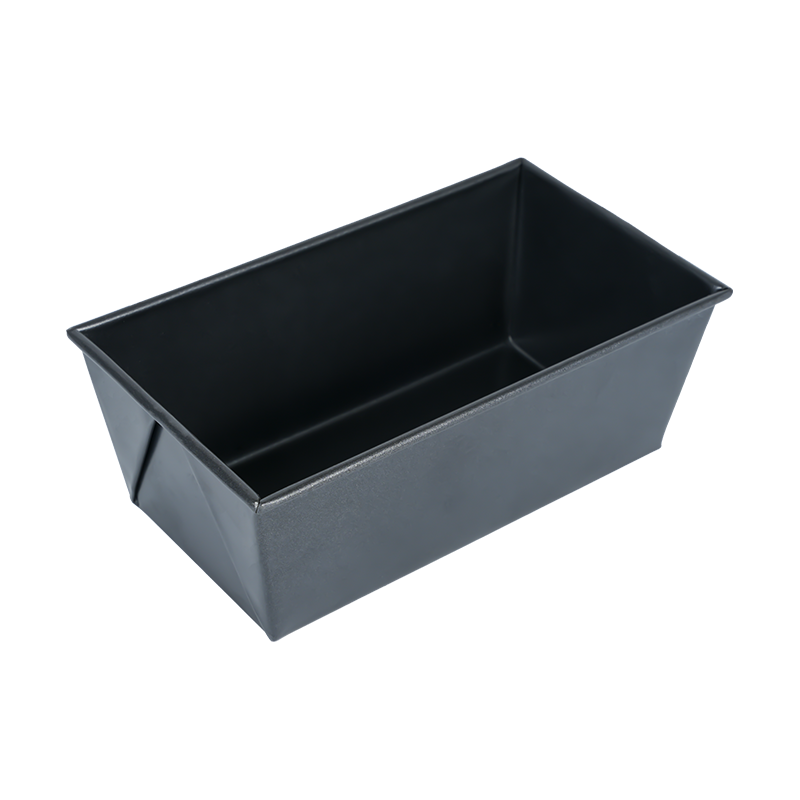
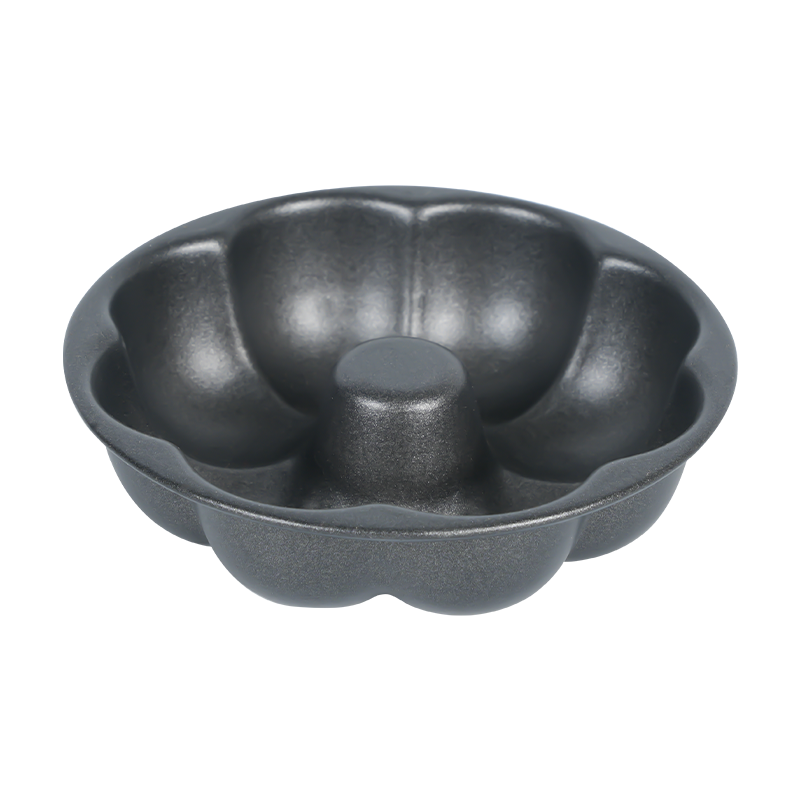
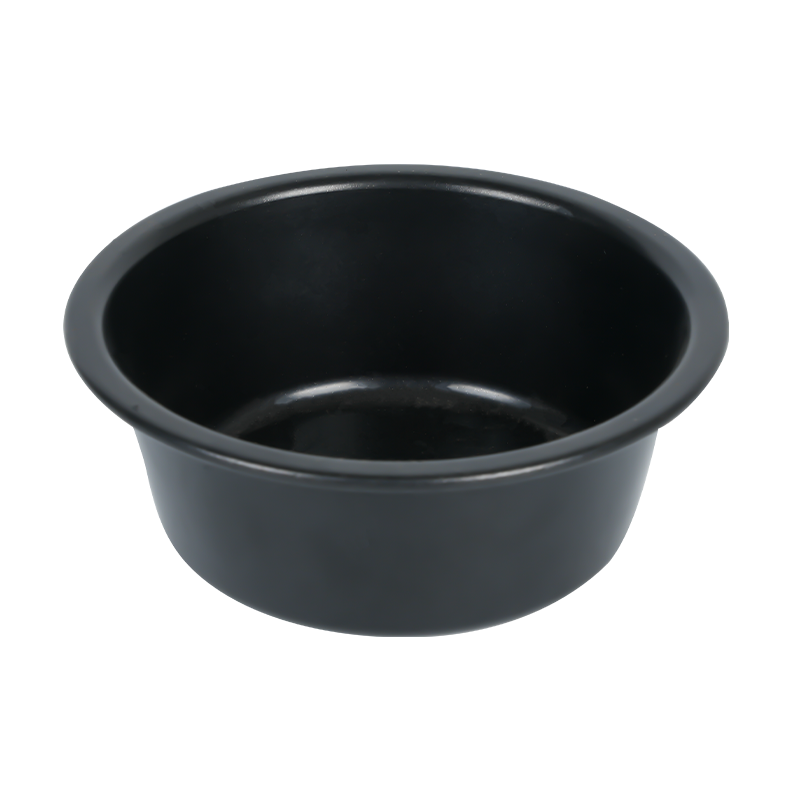
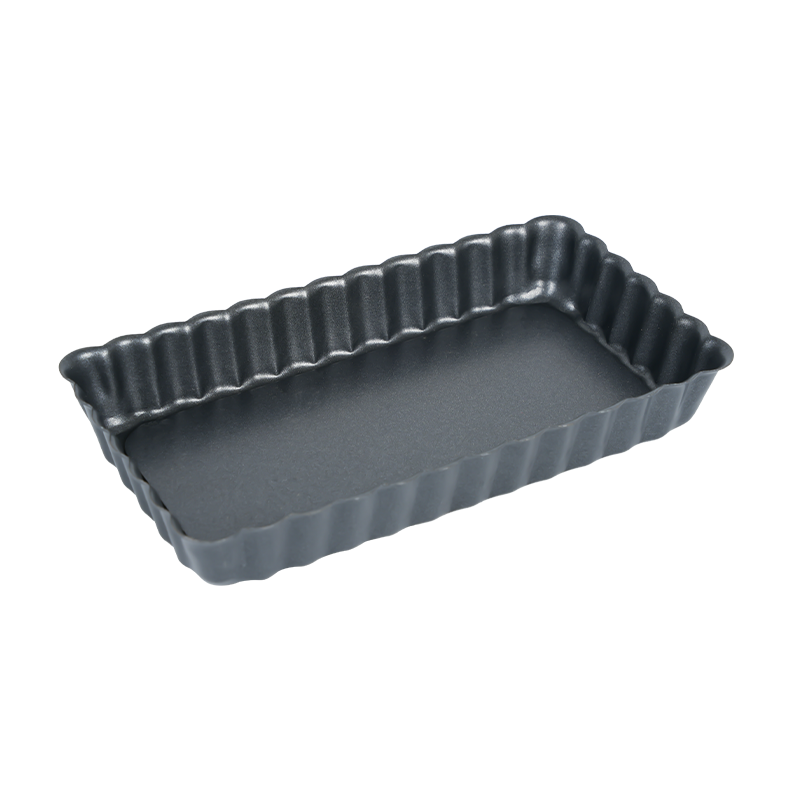
The baking industry continues to shift in quiet but steady ways. Behind every cake on a display shelf sits a tool that rarely gets attention. The cake pan. Simple in form, yet closely tied to product quality, workflow, and cost control. As global buyers turn to China for supply, the process brings both opportunity and risk.
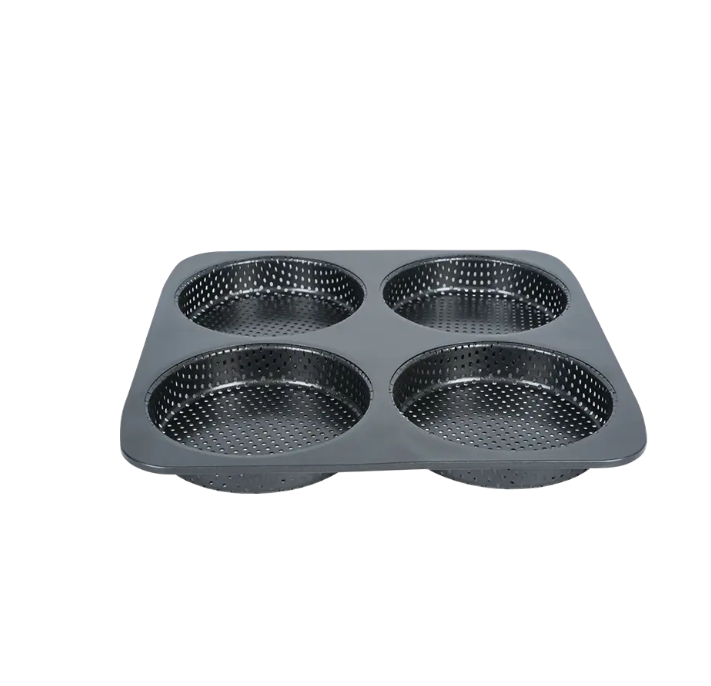
Sourcing from a distance is not only about price. It involves communication, expectation alignment, and a clear view of how products are made and delivered. Small misunderstandings can grow into repeated issues. Many buyers only realize this after the first order.
We are looks at common sourcing mistakes in the China Cake Pan market and how to avoid them. The aim is to help buyers make steady, informed decisions without overcomplicating the process.
What Makes Cake Pan Sourcing More Complex Than It Seems?
Cake pans look pretty much the same at first glance. Most are just basic round or square molds with plain surface finishes, giving people the impression that they are all identical. In reality, however, there are huge underlying differences between different products.
Even when two manufacturers make pans that look nearly identical, their production methods are never exactly the same. Every factory adopts unique structural designs, surface treatments and polishing processes. Most of these subtle differences cannot be seen simply from product photos online.
Most buyers easily fall into a misconception: they believe similar appearances equal consistent quality and performance. This is where most sourcing problems start to happen.
A cake pan is far more than a simple baking container. Its quality directly impacts how pastries bake, how easily food releases from the mold, how much time is spent on daily cleaning, and even how finished products appeal to end customers. For commercial bakeries, even tiny differences among pans can slow down overall production efficiency.
Another hidden difficulty lies in communication gaps between buyers and manufacturers. Simple requirements such as "smooth surface" are interpreted differently by different factories. Without precise, detailed confirmation on both sides, the final products will never match what buyers actually expect.
Why Do Buyers Often Rely Too Much on Price?
Price is often the starting point. It feels measurable and easy to compare. Many buyers request quotes from multiple suppliers and focus on the lowest offer.
This approach can hide important details.
A lower price may reflect differences in material handling, finishing steps, or inspection practices. These differences may not be mentioned unless asked.
Some suppliers reduce steps that are not immediately visible. The product may look acceptable at first, but performance may change over time.
Buyers who focus only on price often miss the broader cost. Returns, complaints, and reorders can add hidden pressure.
A more balanced view helps. Price matters, but it should sit alongside consistency, communication, and reliability.
How Can You Identify Reliable Cake Pan Manufacturers?
Reliability does not always appear in a product catalog. It shows in how a supplier communicates and responds.
Clear replies. Consistent answers. Willingness to explain processes in simple terms. These signals often reflect how a factory operates.
Buyers can look at a few practical aspects:
Response clarity
Do replies address the question directly, or do they stay general?
Detail awareness
Does the supplier ask follow-up questions about usage or expectations?
Sample handling
Are samples prepared with care, or sent without checks?
Stability in communication
Does the contact person remain consistent over time?
Cake Pan Supplier that show steady communication often handle production with similar discipline.
What Are Common Misunderstandings About Product Quality?
Quality is often discussed, but not always defined.
Buyers may use broad terms like "good quality" or "high standard." Suppliers may interpret these differently based on their usual production level.
This gap leads to mismatch.
A clearer approach involves describing usage. For example, how often the pan will be used, how it will be cleaned, and what kind of baking environment it supports.
These details guide the supplier in shaping the product.
Below is a simple comparison of common misunderstandings and clearer alternatives:
| Common Expression | Possible Interpretation | Clearer Approach |
|---|---|---|
| Good quality | Standard factory output | Describe usage frequency and expectations |
| Smooth surface | Basic finish | Specify feel and release behavior |
| Durable | General strength | Explain cleaning method and handling |
| Standard size | Factory default | Provide exact dimensions or samples |
Clarity reduces back-and-forth and builds a shared understanding.
How Important Is Sampling Before Bulk Orders?
Lots of buyers treat sample making as nothing more than a routine step, but it actually carries huge weight for the whole order.
With a physical sample in hand, buyers get to check far more than just the outer look. They can touch the material and test how the pan performs during real baking work. It shows exactly how the mold holds up under daily use.
Some clients rush this stage and sign off on samples only because they look fine. This shortcut almost always creates trouble once mass production kicks off.
Thorough sample checks cover several practical points:
- Running hands over the surface to judge texture
- Baking actual cakes to test non-stick release
- Seeing how simple the pan is to wipe clean afterward
- Comparing samples from multiple runs whenever feasible
Samples also let buyers see how the supplier handles small batch production. The care put into these trial pieces usually mirrors their standard for full bulk shipments.
What Role Does Communication Play in Avoiding Mistakes?
Communication shapes the entire sourcing process.
Simple language works better than complex wording. Short sentences reduce confusion. Visual references can help, but they should be supported by clear descriptions.
Buyers sometimes assume that suppliers will "understand the intention." This assumption often leads to gaps.
Instead, it helps to describe:
- The end use of the product
- The expected user group
- Any concerns from past orders
Regular updates also matter. Silence during production can create uncertainty. A steady flow of information builds trust and reduces surprises.
How Do Packaging and Logistics Affect the Final Outcome?
Packaging is often considered at the end of the process. Yet it plays a role in how products arrive.
Cake pans can be affected by pressure, stacking, and movement during transport. Poor packaging can lead to deformation or surface marks.
Buyers should discuss packaging early. Not in technical terms, but in practical ones.
Questions to consider:
- How are items separated during packing?
- How is pressure managed in stacked boxes?
- What happens if items shift during transport?
Logistics timing also affects planning. Delays can disrupt inventory flow. Clear timelines help buyers prepare.
Why Do Custom Orders Require Extra Attention?
Customization adds another layer of complexity.
Buyers may request changes in shape, finish, or branding. These requests require careful interpretation.
A common mistake is assuming that a small change is easy to implement. In reality, even minor adjustments can affect production flow.
To reduce risk, buyers can:
- Provide clear drawings or references
- Confirm details step by step
- Request pre-production samples
- Allow time for adjustment
Custom orders benefit from patience. Rushing the process often leads to repeated revisions.
How Can Buyers Build Long-Term Stability With Suppliers?
Short-term transactions focus on immediate needs. Long-term cooperation looks at consistency.
Suppliers tend to perform better when they understand the buyer’s ongoing plans. This allows them to adjust production and allocate attention.
Buyers can support this by:
- Sharing future demand expectations
- Giving feedback after each order
- Keeping communication open even between orders
Stability grows through repeated interaction. Over time, both sides reduce misunderstandings and improve coordination.
What Practical Steps Help Reduce Sourcing Risks?
Buyers can steer clear of typical sourcing headaches by following a clear, flexible workflow instead of sticking to overly strict rules.
These straightforward steps make a reliable checklist:
- Lay out your actual usage needs before asking any suppliers for pricing
- Judge vendors on more than just how low their rates are
- Put physical samples through real baking tests onsite
- Keep conversations plain and straightforward with no vague wording
- Lock down packaging and shipping specifications well in advance
- Set aside extra lead time for any custom tweaks you might need
- Go over all specs thoroughly before greenlighting mass production
None of these steps are complicated on their own. Working through them all together keeps your whole sourcing cycle far more dependable.
The cake pan market in China continues to evolve with changing baking habits and global demand. Buyers who approach sourcing with patience and clarity often find fewer disruptions. Small details, when handled early, prevent larger issues later.