

 русский
 Español
The company relies on a high degree of brand awareness, fine product quality, convergence of multiple strong advertising media power, and through the integration of capital, knowledge, talent technology, channels, information operations.
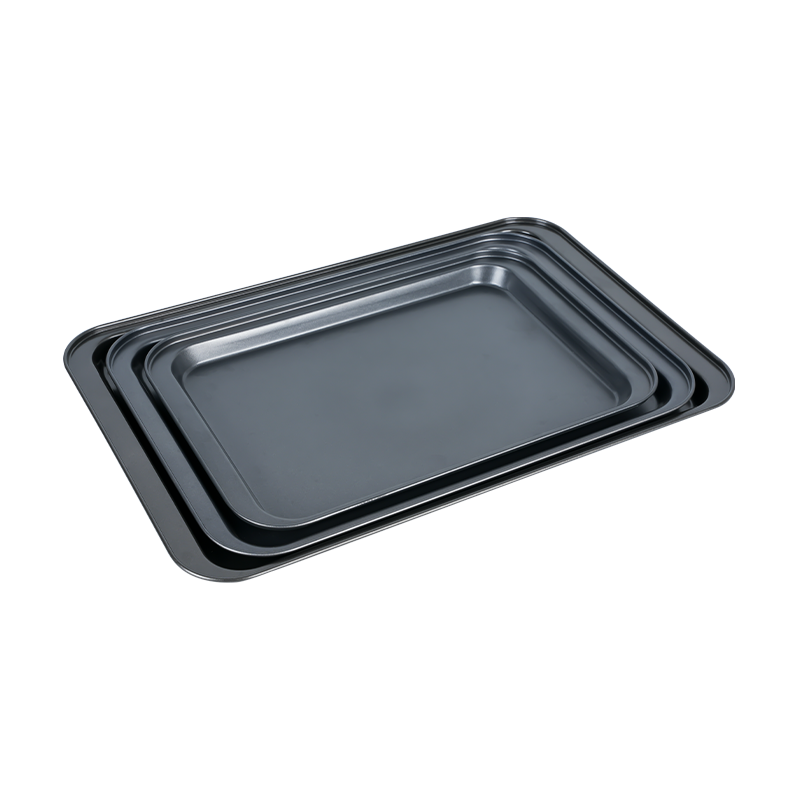
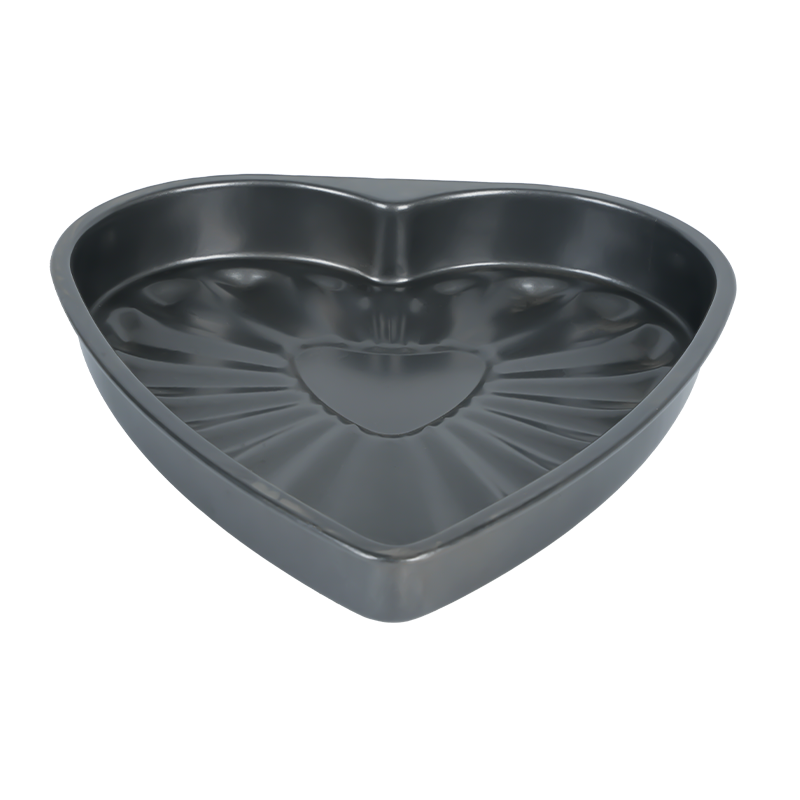
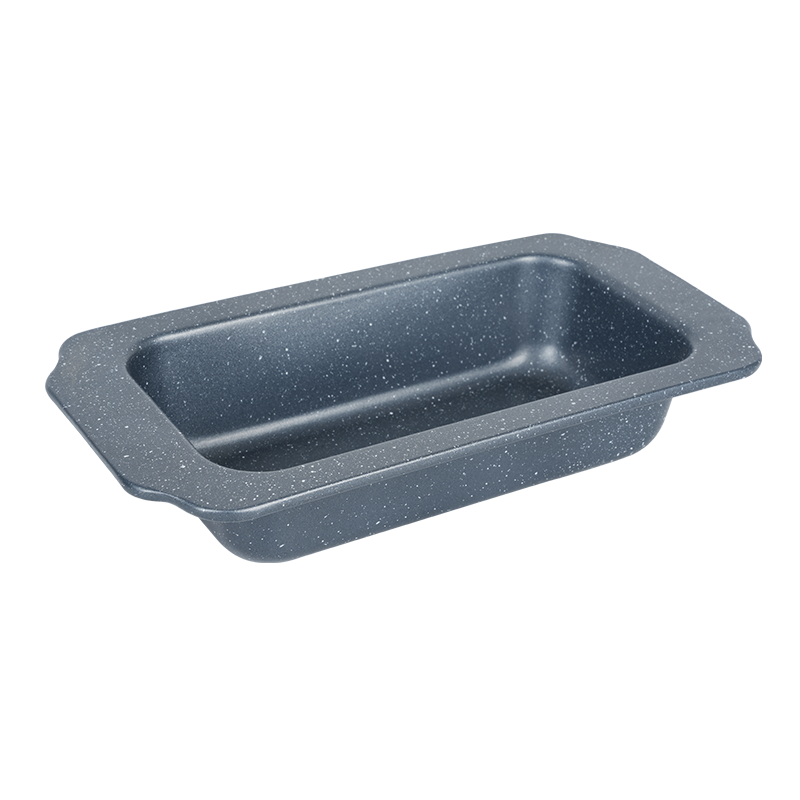
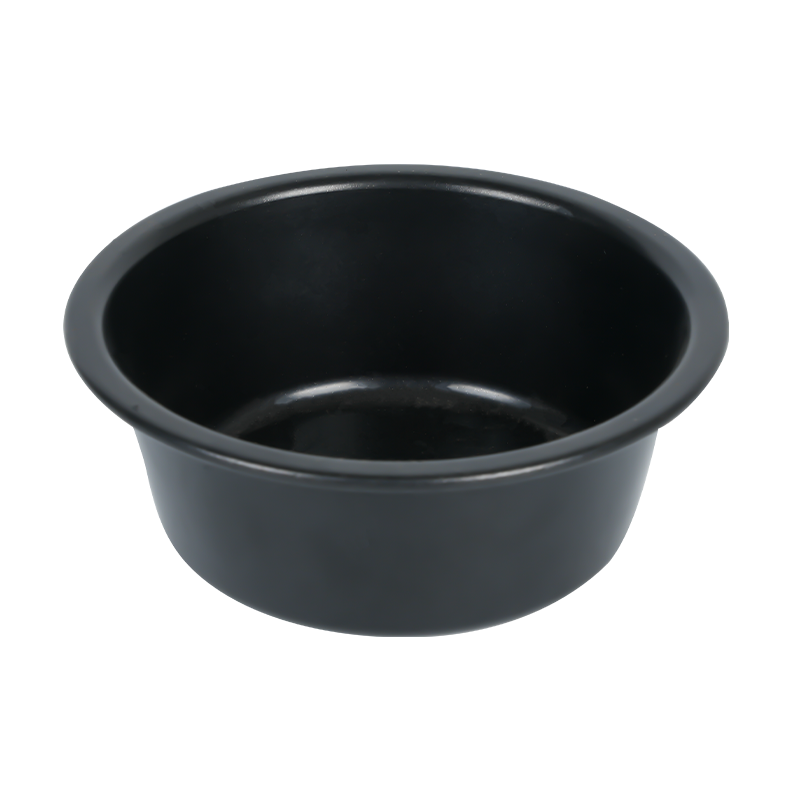
When it comes to choosing bakeware, understanding the differences between materials is crucial for achieving the desired baking results. Many bakers today are deciding between carbon steel bakeware and non-stick bakeware. Each type has its own unique advantages and drawbacks, and selecting the right one can greatly affect the texture, flavor, and presentation of baked goods. For those sourcing from a Carbon Steel Bakeware Factory, knowing these distinctions helps in making informed purchasing decisions.

Durability and Longevity
- Carbon Steel Bakeware: One of the main advantages of carbon steel bakeware is its good durability. Unlike many non-stick pans, it can withstand high temperatures and repeated use without significant wear. With proper care, it can last for many years, making it a worthwhile investment.
- Non-Stick Bakeware: While non-stick pans offer convenience, they often have a shorter lifespan. The coating can chip or peel over time, especially when exposed to metal utensils or abrasive cleaning materials. This can reduce the pan’s effectiveness and even impact the safety of baked goods.
Heat Conductivity and Baking Performance
- Carbon Steel Bakeware: Carbon steel is known for its good heat conductivity. It heats quickly and distributes heat evenly across the baking surface, helping to achieve consistent browning and crisping. This makes it ideal for items like cookies, bread, and pizza.
- Non-Stick Bakeware: Non-stick pans often feature a base metal with a coating that can affect heat distribution. While they prevent sticking, some non-stick pans may result in uneven browning or require careful temperature management to avoid overcooking certain areas of baked goods.
Food Release and Cleaning
- Carbon Steel Bakeware: While raw carbon steel is prone to sticking if not properly seasoned, many modern carbon steel pans come with a pre-seasoned or lightly coated surface. With proper use, baked goods release well. Cleaning requires gentle scrubbing and careful drying to prevent rust.
- Non-Stick Bakeware: The obvious benefit of non-stick bakeware is the ease of food release. Cakes, muffins, and other delicate items slide off effortlessly. Cleaning is simpler and often does not require oiling or seasoning. However, aggressive cleaning can damage the coating, reducing its lifespan.
Versatility and Temperature Tolerance
- Carbon Steel Bakeware: Carbon steel can handle badly high oven temperatures, making it suitable for roasting, baking, and even broiling. It can transition from oven to stovetop in some designs, adding versatility.
- Non-Stick Bakeware: Non-stick pans have temperature limitations. Overheating can damage the coating and release harmful fumes in low-quality products. They are generally less versatile for high-heat cooking methods.
Cost and Investment Consideration
- Carbon Steel Bakeware: Typically, carbon steel pans are more expensive upfront due to their durability and construction quality. Purchasing from a reputable Carbon Steel Bakeware Factory ensures that the investment is justified.
- Non-Stick Bakeware: Non-stick options are usually more affordable initially. However, frequent replacement due to wear and tear can offset the lower cost over time.
Choosing between carbon steel bakeware and non-stick bakeware ultimately depends on your baking priorities. Carbon steel bakeware excels in durability, heat conduction, and versatility, offering professional-level performance for serious bakers. Non-stick bakeware, on the other hand, is convenient, easy to clean, and suitable for everyday baking. Understanding the strengths and weaknesses of each type ensures that bakers select the suitable option for their kitchen needs.