

 русский
 Español
The company relies on a high degree of brand awareness, fine product quality, convergence of multiple strong advertising media power, and through the integration of capital, knowledge, talent technology, channels, information operations.
Understanding Non-Stick Cookware
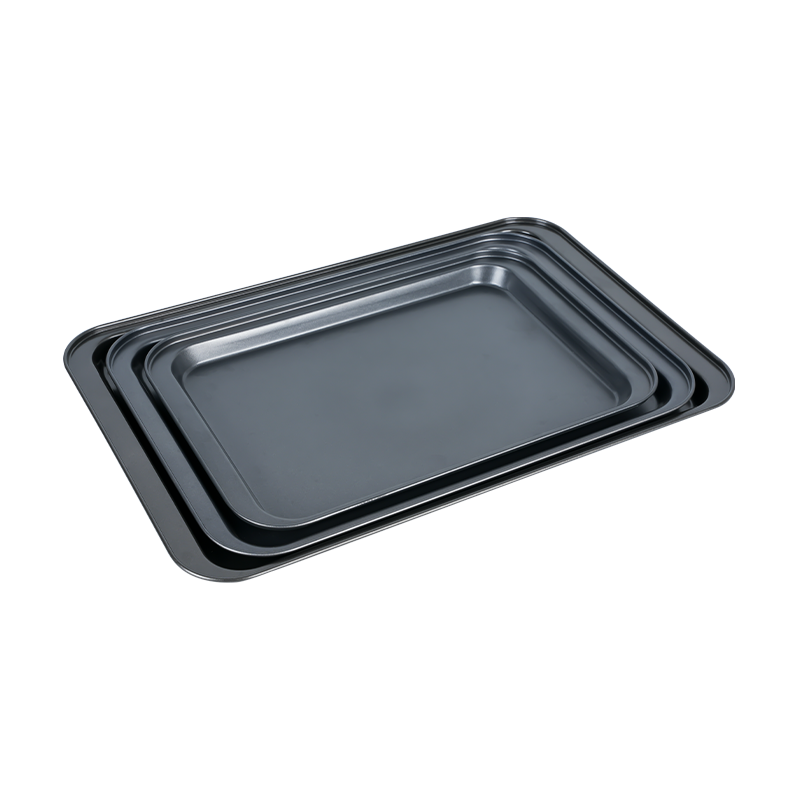
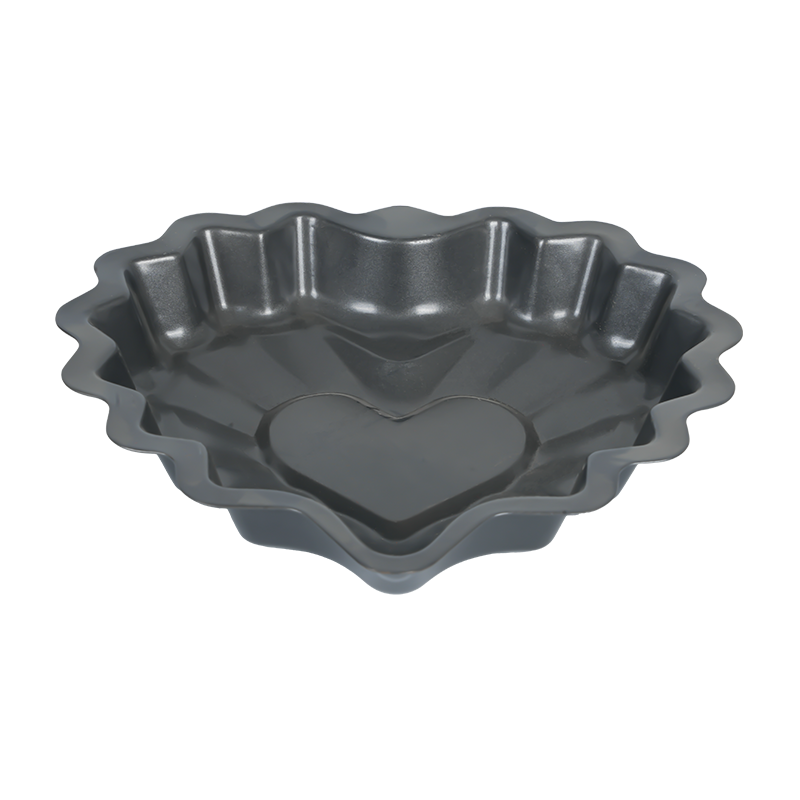
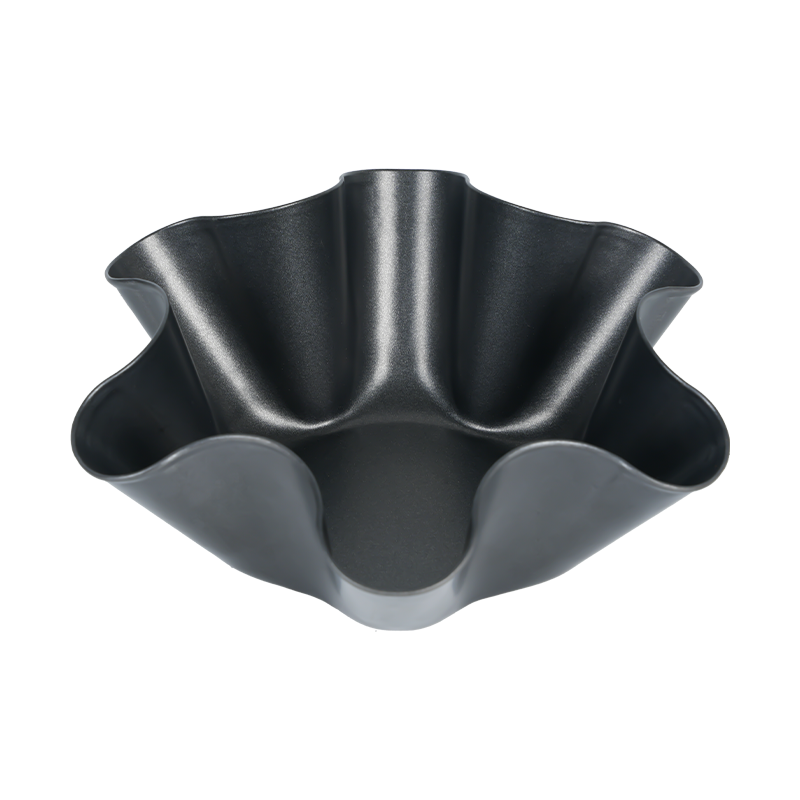
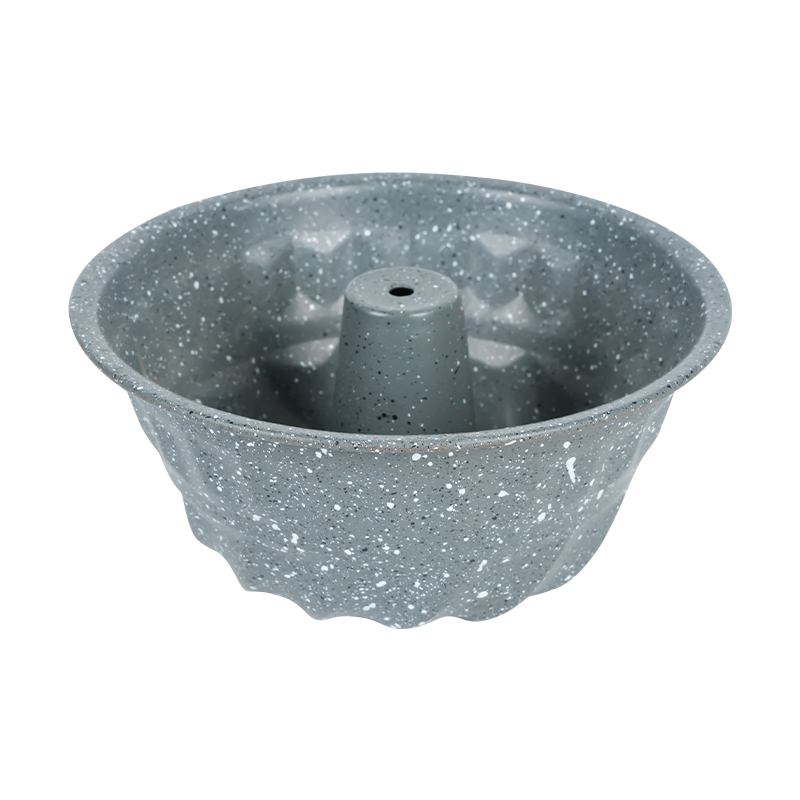
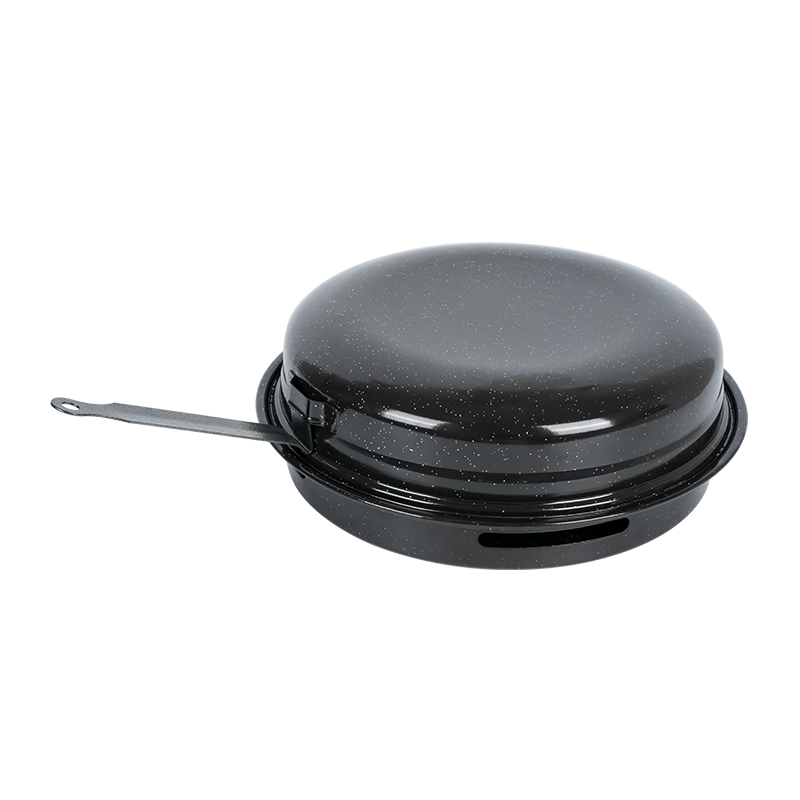
Cooking Pan Non Stick, often favored for their ease of use and quick cleaning, are a common fixture in kitchens worldwide. These pans, typically coated with materials like Teflon or ceramic, promise to prevent food from sticking during cooking, making them a popular choice for those who want hassle-free cooking. However, as with any cooking appliance, it’s essential to understand the potential risks, especially concerning the release of harmful gases during use.
The Role of Non-Stick Coatings
Most Cooking Pan Non Stick products are coated with polytetrafluoroethylene (PTFE), a synthetic polymer commonly known as Teflon. PTFE provides the non-stick properties that make these pans so convenient. While the coating itself is generally safe for cooking at low to medium temperatures, it can pose a health risk when overheated.
The primary concern with non-stick cookware is the release of toxic gases when the pan reaches high temperatures, usually around 500°F (260°C) or higher. These temperatures are often exceeded when preheating an empty pan or cooking foods at high heat, such as searing or stir-frying.
Toxic Gases and Their Impact
At high temperatures, the non-stick coating begins to break down and release fumes that can be harmful to both humans and pets. These fumes contain chemicals such as perfluorooctanoic acid (PFOA), which has been linked to various health issues. Although many manufacturers have phased out the use of PFOA in non-stick coatings, the breakdown of PTFE still leads to the release of other harmful compounds.
Breathing in these fumes can cause symptoms like headaches, chills, fever, and respiratory issues, collectively known as "polymer fume fever" or "Teflon flu." In rare cases, prolonged exposure to these fumes may lead to more severe health problems, particularly in individuals with respiratory conditions.
Avoiding Harmful Gas Emissions from Non-Stick Pans
Fortunately, there are several ways to reduce the risks associated with Cooking Pan Non Stick cookware:
- Use Low to Medium Heat: The effective way to prevent harmful gas emissions is by avoiding high cooking temperatures. Non-stick pans should not be used on high heat settings, especially when empty.
- Proper Ventilation: Cooking with non-stick pans in a well-ventilated kitchen can help disperse any potentially harmful fumes that may be released. Using exhaust fans or opening windows can significantly reduce the buildup of toxic gases in your kitchen.
- Avoid Preheating an Empty Pan: Always ensure that there is food or oil in the pan before heating it. Preheating an empty non-stick pan can cause the temperature to rise too quickly, leading to the release of harmful fumes.
Choose Non-Toxic Alternatives: Some modern non-stick pans are made without PTFE or PFOA, offering a safer alternative. Ceramic-coated non-stick pans, for example, do not release harmful gases and are considered a healthier option.
Safe Use of Non-Stick Cookware
While Cooking Pan Non Stick products provide a good cooking experience when used correctly, it's essential to be mindful of their limitations. Avoiding high temperatures, ensuring proper ventilation, and opting for safer alternatives can help reduce the risks associated with harmful gas emissions. By following these guidelines, you can continue to enjoy the convenience of non-stick cookware without compromising your health.