

 русский
 Español
The company relies on a high degree of brand awareness, fine product quality, convergence of multiple strong advertising media power, and through the integration of capital, knowledge, talent technology, channels, information operations.
Importance of Even Heating
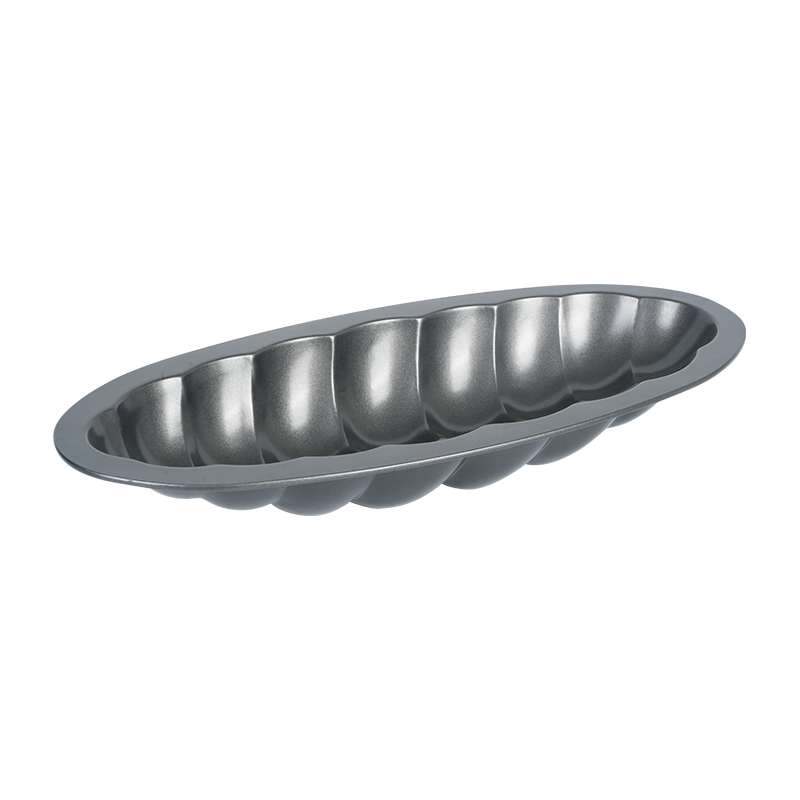
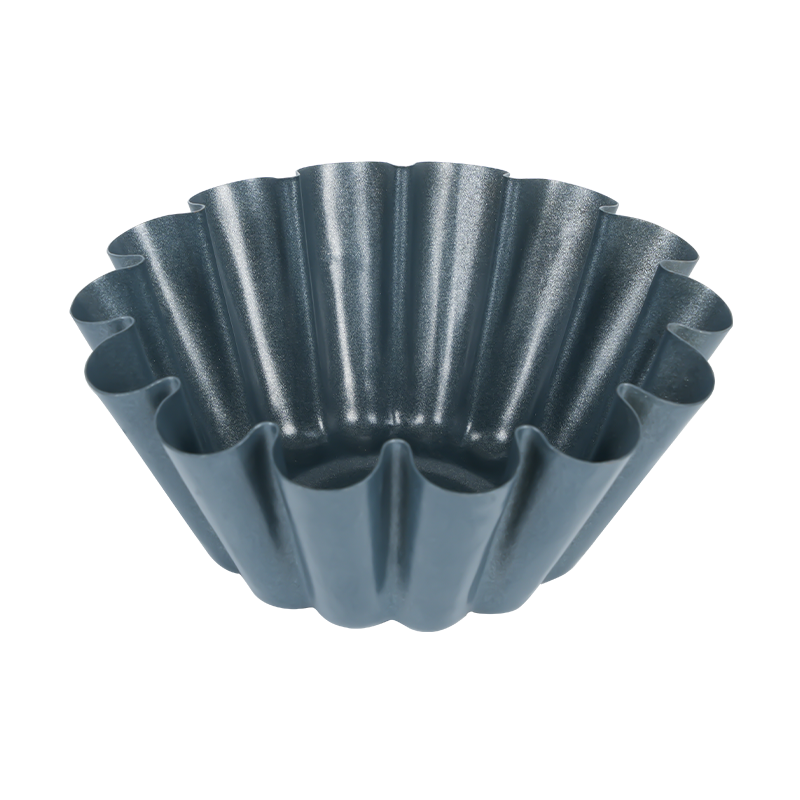
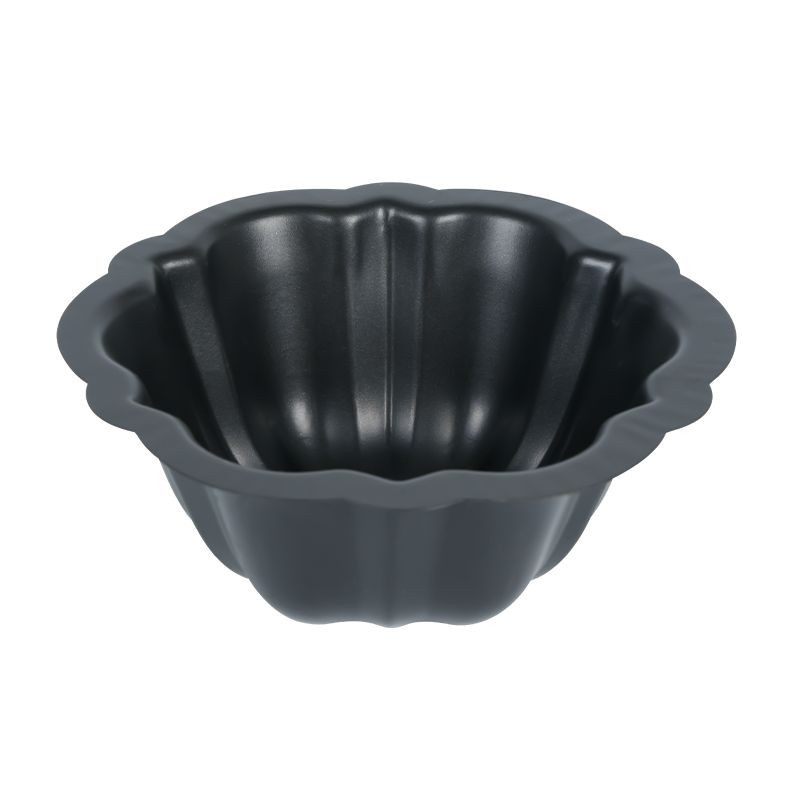
Mini Bread Pans Factory products have grown in popularity among home bakers for their convenience and versatility.
One critical factor affecting baking quality is heating uniformity.
Uneven heat can cause inconsistent crumb texture, uneven browning, or undercooked areas, even with high-quality ingredients.
This article explores how heating distribution impacts baking outcomes and why choosing the right mini bread pan is crucial.
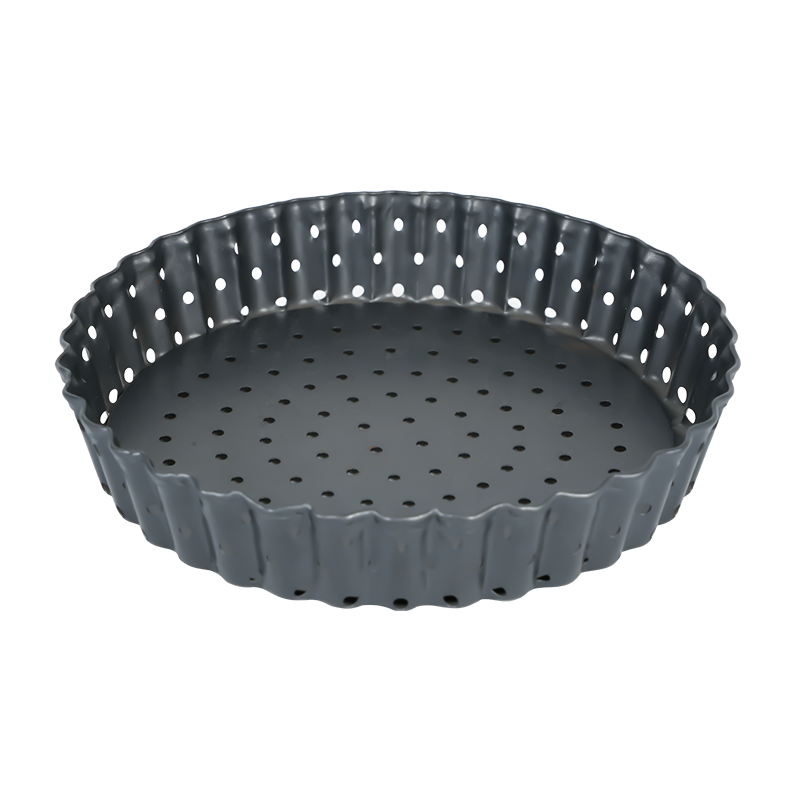
Understanding Heating Uniformity
Definition:
- Heating uniformity refers to how evenly a pan distributes heat across its surface during baking.
- High uniformity ensures all parts of the bread receive consistent temperature exposure.
Factors affecting uniformity:
- Material composition (aluminum, carbon steel, silicone, ceramic).
- Pan thickness and wall construction.
- Oven type and calibration, including convection vs conventional settings.
Material Impact on Heat Distribution
Aluminum mini bread pans:
- Good heat conductivity, distributing heat quickly and evenly.
- Lightweight, easy to handle, but may require greasing to prevent sticking.
Carbon steel pans:
- Strong and durable, with good heat retention.
- Heavier than aluminum; provides even browning.
Silicone pans:
- Flexible and non-stick, but poor thermal conductivity can cause slower, less even baking.
- Often requires longer cooking times or adjustments in temperature.
Ceramic or glass pans:
- Hold heat well, but uneven oven placement can cause hotspots.
- Often used for specialty bread or slow baking.
Effects of Uneven Heating on Mini Loaves
Crumb texture and rise:
- Uneven heat can cause inconsistent expansion, producing dense or undercooked sections.
- Proper rise is difficult to achieve if one side bakes faster than the other.
Browning and crust formation:
- Uneven heating can result in darker crusts in some areas while leaving other parts pale.
- This affects both visual appeal and flavor development.
Moisture retention:
- Overheated areas may dry out, while underheated areas remain too moist.
- Causes inconsistent taste and mouthfeel across the loaf.
Design Considerations for Mini Bread Pans
Pan thickness and walls:
- Thicker pans retain heat better, reducing temperature fluctuations.
- Thin-walled pans heat quickly but are more susceptible to hot spots.
Non-stick coatings:
- Facilitate easy removal and uniform browning, but coating quality impacts heat transfer.
- Some coatings can insulate slightly, slowing heat penetration.
Size and shape:
- Standard mini loaf dimensions ensure more predictable baking results.
- Larger or irregular pans may require temperature adjustments.
Oven Factors and Placement
Oven type:
- Convection ovens promote even heat circulation, enhancing uniformity in mini bread pans.
- Conventional ovens may have hotspots, requiring rotation of pans.
Pan placement:
- Centering pans in the oven ensures airflow and even heat exposure.
- Avoid placing trays too close to walls or heating elements.
Batch baking:
- Baking multiple pans simultaneously can affect heat distribution.
- Allow space between pans to prevent uneven cooking.
Tips for Achieving Even Baking
- Preheat the oven thoroughly: This ensures pans start at the correct temperature.
- Use quality mini bread pans: Pans from reputable Mini Bread Pans Factory manufacturers often provide better thermal performance.
- Monitor baking closely: Check for even browning and use toothpicks or probes to test doneness.
- Rotate pans if necessary: Halfway through baking, rotate pans for more uniform results.
- Avoid overcrowding: Ensure proper spacing for heat circulation.
Conclusion
- Heating uniformity is a crucial factor in baking quality, affecting crust, crumb texture, moisture, and appearance of mini loaves.
- Material, pan design, oven type, and placement all play roles in achieving even baking.
- Investing in high-quality pans from a reliable Mini Bread Pans Factory and understanding proper baking techniques can significantly improve results.
- By prioritizing uniform heat distribution, home bakers can produce consistently flavorful, evenly baked mini loaves every time.