

 русский
 Español
The company relies on a high degree of brand awareness, fine product quality, convergence of multiple strong advertising media power, and through the integration of capital, knowledge, talent technology, channels, information operations.
Why Safety Matters
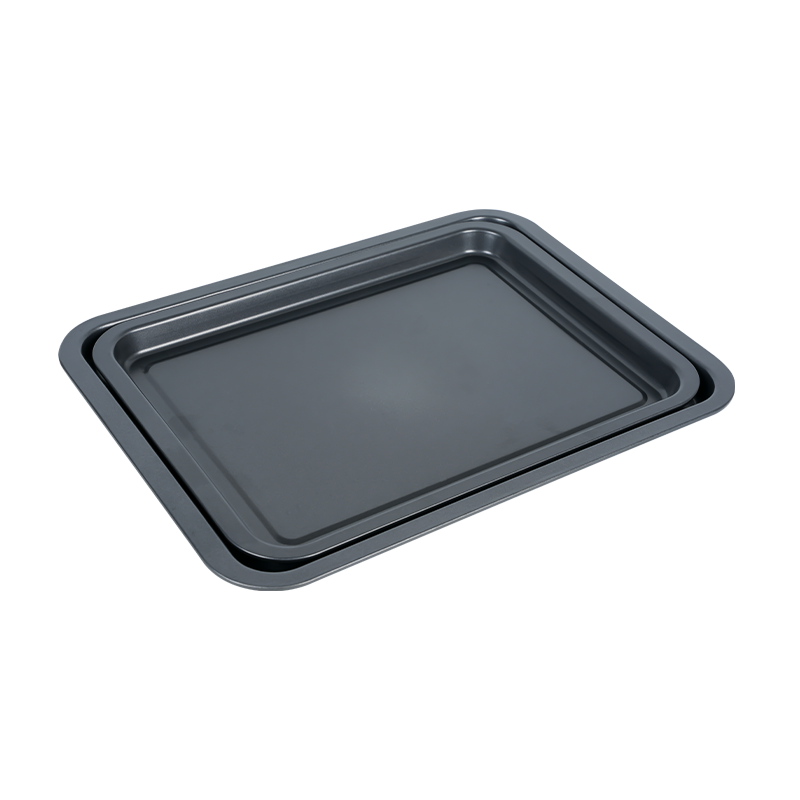
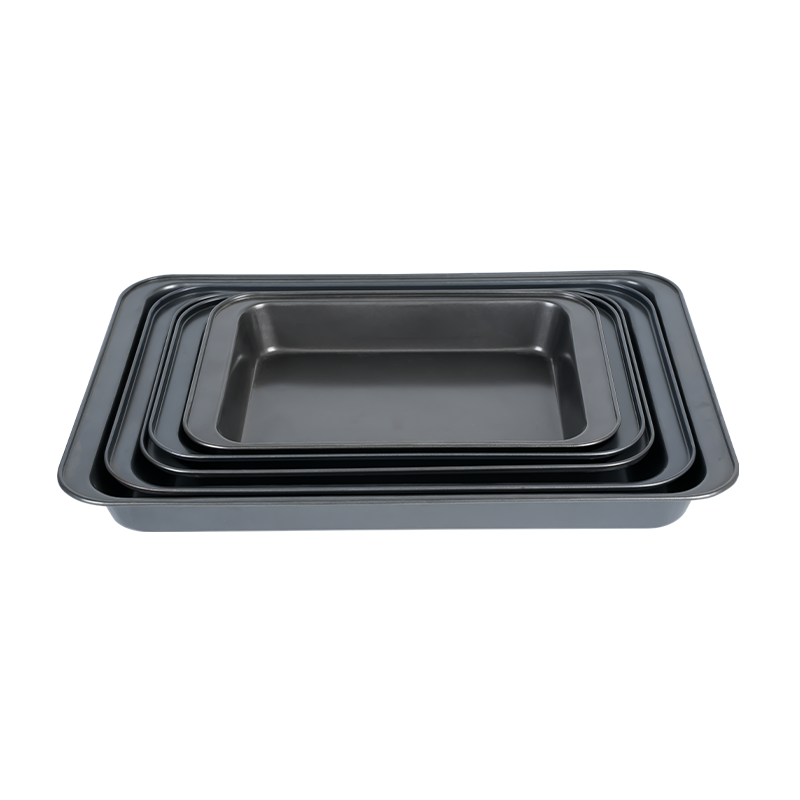
Microwave Baking Tray Factory products are increasingly popular for quick and convenient cooking.
While these trays make microwave baking easier, improper use can cause sparks, cracking, or even damage to the microwave.
Understanding the materials, usage rules, and precautions is essential to ensure the safety and longevity of both the tray and the appliance.
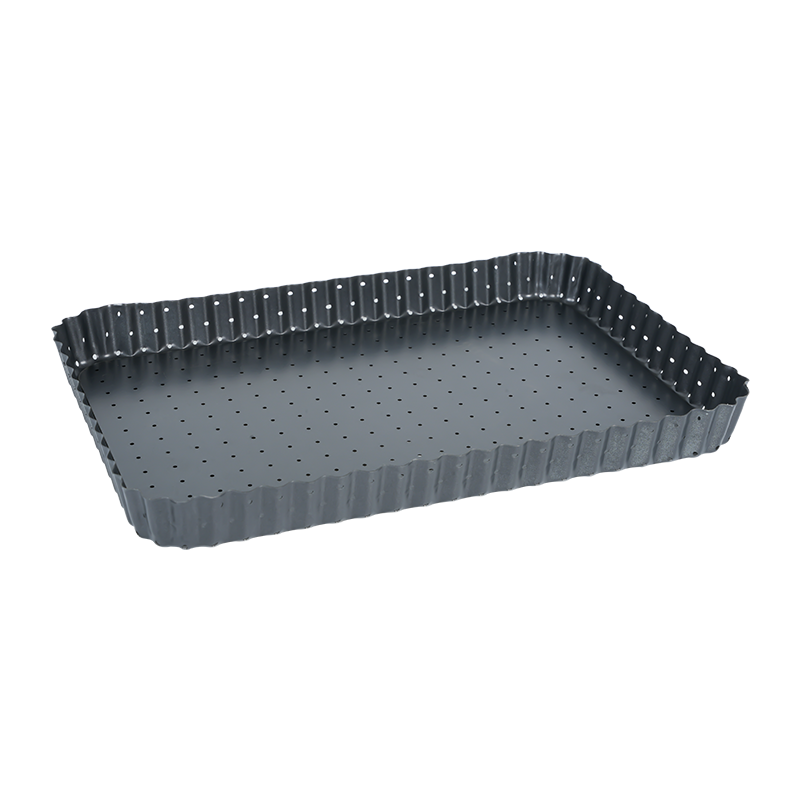
Choosing the Right Microwave Baking Tray
Material considerations:
- Glass trays: Must be labeled microwave-safe; avoid sudden temperature changes to prevent cracking.
- Silicone trays: Flexible, heat-resistant, and generally safe for microwaves; ensure BPA-free certification.
- Plastic trays: Only use those labeled microwave-safe; some plastics can warp or release chemicals.
- Metal-coated trays: Typically unsafe in microwaves due to sparking risks.
Check manufacturer instructions:
- Confirm temperature limits and recommended uses.
- Follow any warnings on the product label to prevent damage or injury.
Avoiding Sparks and Fire Hazards
1. Metal in the microwave:
- Never use trays with metal components unless explicitly designed for microwave use.
- Aluminum foil or metallic decorations on trays can cause sparks and fires.
2. Food residue management:
Avoid burnt or dried-on grease on trays, which can ignite or create smoke.
3. Proper placement:
Ensure the tray sits flat on the microwave turntable to prevent tipping or uneven heating.
Preventing Cracking or Breakage
Temperature management:
- Do not place a cold tray directly into a hot microwave or vice versa.
- Gradually heating foods helps prevent thermal shock.
Avoid overloading:
- Do not place excessive weight on glass or silicone trays; this can cause cracking or warping.
Handling precautions:
- Always use oven mitts or heat-resistant gloves when removing a tray from the microwave.
- Avoid dropping or bumping trays onto hard surfaces.
Using Microwave Baking Trays Properly
Cooking times and power settings:
- Follow recommended cooking times to prevent overheating.
- High-power microwaving may be suitable for small items, but it can overheat certain trays.
Even heating:
- Arrange food evenly on the tray to avoid hotspots, which can stress the tray.
- Stir or rotate food when recommended to ensure uniform cooking.
Avoiding sealed containers:
- Do not cover food with tight lids or wrap trays in plastic wrap that traps steam.
- Pressure build-up can crack trays or create dangerous steam bursts.
Cleaning and Maintenance
Regular cleaning:
- Clean trays after each use to remove grease or residue that may ignite.
- Use non-abrasive sponges to protect silicone or glass surfaces.
Inspection:
- Check for cracks, chips, or warping before each use. Damaged trays should not be used.
Storage:
- Store trays flat to prevent bending or warping over time.
- Keep away from high-heat sources that may degrade material integrity.
When to Replace Your Microwave Baking Tray
Signs of wear and tear:
- Visible cracks, discoloration, or warping indicate the tray is unsafe for further use.
- Persistent odors or residue that cannot be cleaned properly may also signal the need for replacement.
Frequency of replacement:
- Silicone trays last several years with proper care.
- Glass trays can last long if handled carefully, but are more prone to sudden cracking from thermal shock.
Manufacturer guidelines:
Always follow replacement recommendations from the Microwave Baking Tray Factory to ensure safety and warranty compliance.
Conclusion
Proper use of microwave baking trays ensures safe cooking, prevents sparks or breakage, and protects your microwave.
- Key points include selecting the right material, avoiding metal, managing temperatures carefully, and following cleaning and handling practices.
- By adhering to these guidelines, users can enjoy the convenience of microwave baking without risking fire, cracks, or appliance damage.
- A well-maintained, correctly used tray offers long-lasting performance and safer, more consistent cooking results.