

 русский
 Español
The company relies on a high degree of brand awareness, fine product quality, convergence of multiple strong advertising media power, and through the integration of capital, knowledge, talent technology, channels, information operations.
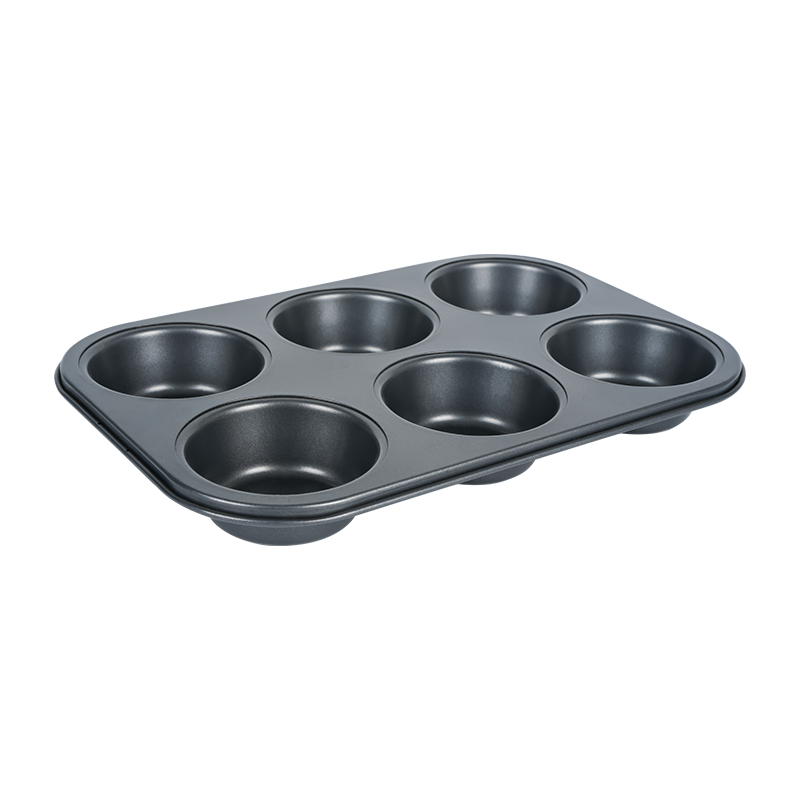
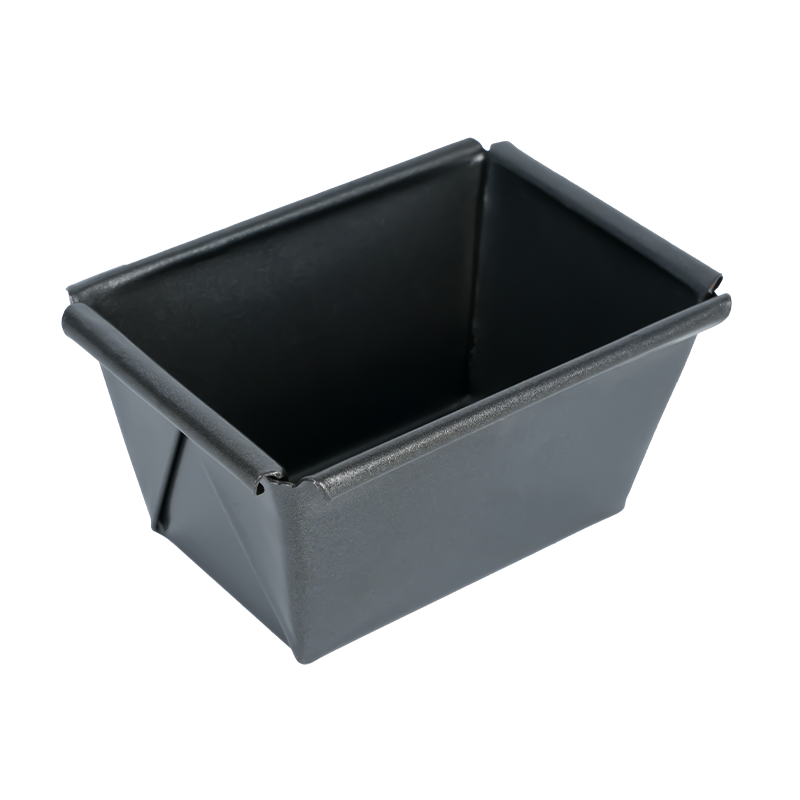
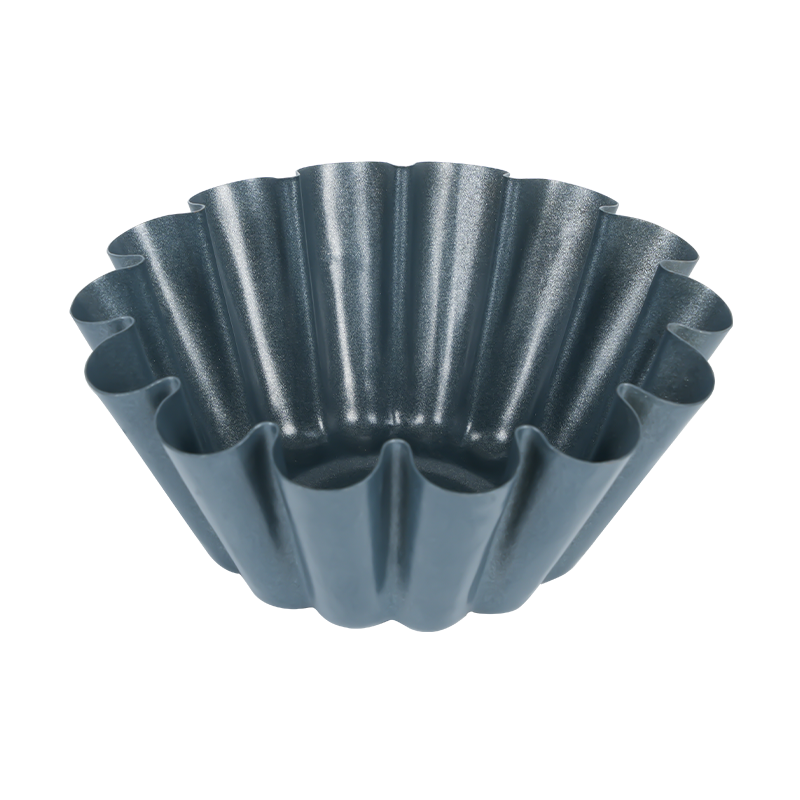
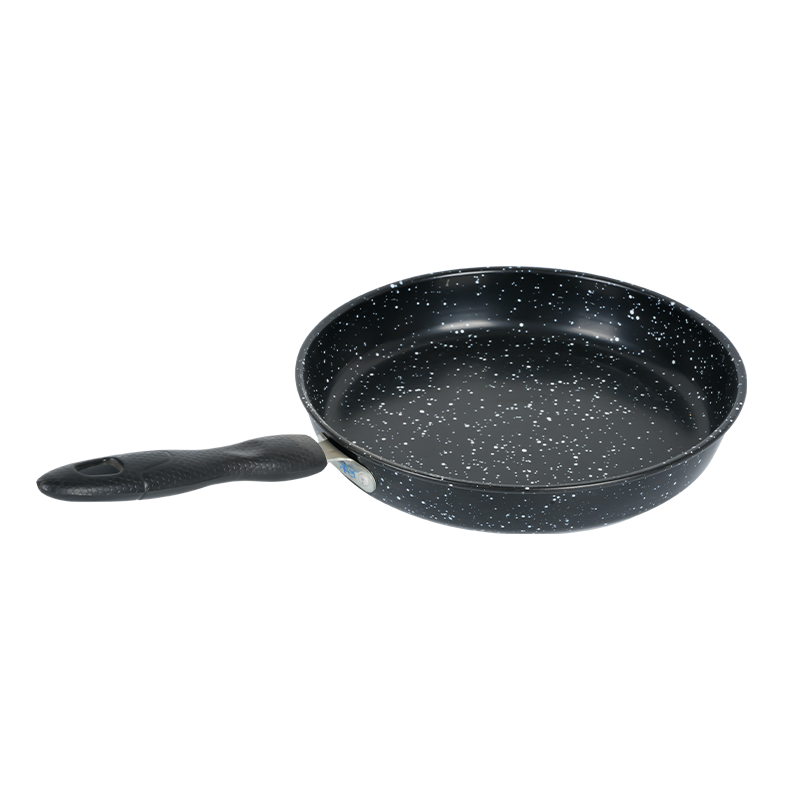
Cooking Pan Non Stick has become a staple in modern kitchens due to its convenience, easy cleaning, and ability to cook with minimal oil. While many home cooks prefer non-stick pans for everyday use, questions often arise regarding their durability compared to traditional cookware, such as stainless steel, cast iron, or anodized aluminum pans. Understanding the factors that influence lifespan and wear resistance helps consumers make informed choices when selecting cookware.
Material Composition and Lifespan
Non-stick pans are typically made from aluminum or stainless steel with a coating of polytetrafluoroethylene (PTFE) or ceramic. The coating provides the non-stick functionality, but is more susceptible to wear and tear over time compared to uncoated metal surfaces. Traditional pans, particularly stainless steel and cast iron, are highly durable and can last decades with proper care. While non-stick pans may show scratches, flaking, or surface degradation after several years, well-maintained traditional pans often maintain their cooking performance for a much longer period.
Resistance to Scratches and Physical Damage
The durability of a non-stick pan is directly related to its resistance to scratches and abrasions. Using metal utensils or abrasive cleaning tools can damage the coating, reducing its lifespan. In contrast, traditional stainless steel and cast iron pans are more resilient to physical impacts and can withstand metal spatulas, scrubbing pads, and high-pressure cooking without significant degradation. Ceramic-coated non-stick pans offer slightly better scratch resistance than PTFE coatings but still do not match the toughness of uncoated metals.
Heat Resistance and Thermal Stress
Cooking Pan Non Stick coatings are also sensitive to high heat. Excessive temperatures can cause warping or damage to the coating, whereas traditional pans, especially cast iron or stainless steel, can tolerate higher cooking temperatures without losing structural integrity. Overheating non-stick pans can cause accelerated wear or the release of harmful fumes, whereas traditional cookware remains safe and functional under extreme heat, contributing to its longer effective lifespan.
Maintenance and Care Requirements
Proper maintenance significantly affects the durability of non-stick pans. Hand washing with non-abrasive sponges, avoiding metal utensils, and storing pans carefully are essential for prolonging the life of a non-stick coating. Traditional pans are more forgiving and require less meticulous care; for example, cast iron benefits from seasoning but does not require careful handling to prevent surface damage. Non-stick pans demand more attentive usage, which can influence their perceived longevity in comparison to conventional cookware.
Practical Use Considerations
For everyday cooking, non-stick pans provide significant convenience and energy efficiency due to lower oil requirements and easier cleaning. However, if the primary concern is long-term durability and resistance to wear, traditional pans outperform non-stick options. Many professional kitchens combine both types, using non-stick pans for delicate foods like eggs or fish and traditional pans for searing, high-heat cooking, or heavy-duty tasks.
Balancing Durability and Convenience
While Cooking Pan Non Stick offers good convenience and ease of use, its durability is generally lower than traditional cookware, such as stainless steel, cast iron, or anodized aluminum. Factors like coating type, heat management, and careful handling influence lifespan, making non-stick pans suitable for moderate use when properly cared for. Traditional pans, in contrast, offer exceptional longevity and resistance to physical and thermal stress. Understanding the trade-offs between durability and convenience allows cooks to select the right pan for their specific needs and achieve suitable performance in the kitchen.