

 русский
 Español
The company relies on a high degree of brand awareness, fine product quality, convergence of multiple strong advertising media power, and through the integration of capital, knowledge, talent technology, channels, information operations.
In many kitchens, pasta looks simple at first glance. Boil water, add pasta, wait, then drain. The final step often decides the texture on the plate. Draining pasta using a colander seems straightforward, yet small habits can change the result noticeably.
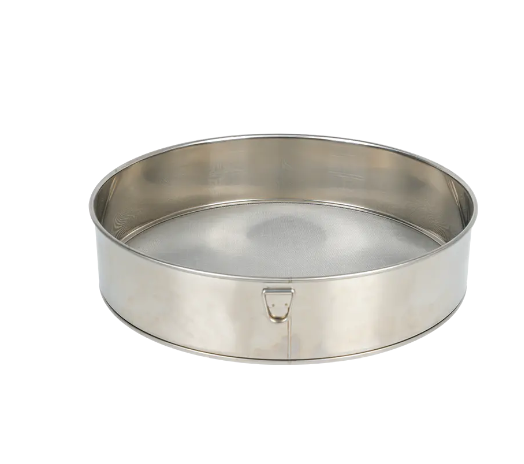
A Colander Pasta Strainer is more than a draining tool. It influences how moisture leaves the food, how heat is retained, and how the pasta behaves after cooking. Understanding the process helps improve consistency without changing ingredients or cooking time.
Why Does Proper Draining Matter In Pasta Cooking?
Pasta continues to change even after it leaves the pot. Hot water remains on the surface for a short time. Steam also continues to rise. If this moisture is not handled well, the texture can become uneven.
Too much residual water can dilute sauces. Too little control during draining can cause pasta strands to clump together. The balance between moisture removal and heat retention is subtle.
A colander helps manage this transition. It separates pasta from boiling water while allowing controlled drainage. The goal is not just removal of liquid, but preservation of texture.
What Happens When Pasta Meets A Colander?
When cooked pasta is poured into a colander, gravity begins the separation process. Water flows through the holes or mesh structure, while pasta remains inside.
At this moment, temperature is still high. Steam continues to rise. The pasta surface is soft and flexible. Movement during this stage matters.
If the colander is too small, pasta may stack unevenly. If it is shaken too aggressively, strands may break or stick together. Gentle handling supports better structure.
The design of the colander influences how evenly water drains. Open spacing allows faster flow, while finer surfaces slow it slightly for more controlled separation.
How Should Pasta Be Transferred Into A Colander?
The transfer step is often overlooked. Yet it plays a key role in final texture.
Pasta should be poured steadily rather than dumped suddenly. A controlled flow helps avoid clumping. The colander should be placed in a stable position before pouring begins.
Some users place the colander in a sink. Others hold it above a container. In both cases, stability matters more than speed.
The angle of pouring also influences movement. A gradual tilt allows water and pasta to separate more evenly.
Should You Shake The Colander After Draining?
After most water has drained, a gentle shake is often used. This helps remove trapped moisture between pasta pieces.
The movement should be light. A slight up-and-down or side-to-side motion is usually enough. Strong shaking can cause pasta strands to break or stick.
Residual steam continues to escape during this step. That is part of the natural drying process. Allowing a brief pause after shaking can help stabilize texture.
The goal is not complete dryness, but balanced moisture.
What Role Does Colander Design Play In Draining?
Different colander structures affect how water flows. While the basic idea remains the same, small design differences can influence results.
| Colander Feature | Draining Behavior | Pasta Effect |
|---|---|---|
| Wide open holes | Fast water flow | Quick separation |
| Fine mesh surface | Slower drainage | More controlled moisture |
| Deep bowl shape | Holds pasta centrally | Easier mixing and handling |
| Flat base design | Stable placement | Reduced movement during drain |
The interaction between pasta and surface determines how evenly moisture leaves the food.A stable base helps reduce accidental spilling. A well-spaced structure helps avoid water pooling.
How Do You Prevent Pasta From Sticking During Draining?
Sticking often happens during and after draining. The reason is usually surface moisture combined with limited movement.
When pasta is left in one position too long, strands can settle together. Steam creates slight adhesion between surfaces.
A simple adjustment in timing helps reduce this effect. Draining immediately after cooking prevents over-softening. Light movement inside the colander also helps separate strands naturally.
Another factor is layering. Thick piles of pasta tend to trap moisture in the center. Even distribution improves airflow and drainage.
Should Pasta Be Rinsed After Using A Colander?
Rinsing is sometimes used, but it depends on the intended result.
In many cases, rinsing removes surface starch. This can change how sauces attach to pasta. It also lowers temperature quickly.
Without rinsing, pasta retains more surface texture. This may help sauces blend more evenly.
The choice depends on cooking style rather than a fixed rule. The colander itself supports both approaches by providing a neutral draining surface.
How Does Water Temperature Affect The Draining Process?
The temperature of pasta at the moment of draining influences behavior. Hot pasta remains flexible. It continues to release steam.
If drained too early, excess water may remain trapped inside. If left too long before draining, pasta may continue absorbing heat unevenly.
The colander acts as a transition space. It allows hot water to escape while pasta stabilizes.
Timing becomes part of texture control. The draining step is not isolated from cooking. It is a continuation of it.
What Mistakes Commonly Happen When Using A Colander?
Several small habits can affect results without being obvious.
Pouring too quickly is one. It causes uneven flow and potential clumping. Another is using a colander that is too small for the amount of pasta.
Leaving pasta in standing water after draining can also affect texture. Even small pools of water may soften the final result.
Over-shaking is another common issue. It can damage structure instead of improving drainage.
These actions are often unintentional. They come from speed rather than awareness.
How Can Colander Material Influence Results?
Colanders come in different materials. Each one interacts with heat and water slightly differently.
Metal surfaces tend to cool quickly after contact with hot water. This may help reduce residual heat faster.
Plastic surfaces retain heat slightly longer. This can keep pasta warm during short handling periods.
Mesh-based structures influence how water flows through the surface. They tend to slow drainage slightly but offer more control.
The material does not change cooking itself, but it shapes the post-cooking phase.
What Is The Ideal Flow For Draining Pasta?
A smooth draining process usually follows a natural sequence.
- Cooking ends at the right softness level
- Pasta is transferred steadily into the colander
- Water begins to separate immediately
- Gentle movement helps release trapped moisture
- Short pause allows steam to settle
- Pasta is ready for further preparation
Each step is simple on its own. Together, they shape the final texture.The colander acts as the center point of this transition. It connects boiling water to serving stage.
How Does Draining Affect Final Dish Quality?
Even before sauce is added, pasta texture is already defined by how it was drained.
Too much retained water can dilute flavor. Too little structure can affect how sauce clings to the surface.
A balanced draining process supports consistency. It helps pasta maintain shape while still holding enough moisture for mixing.
In kitchen practice, this stage often separates average results from more controlled outcomes.
Proper pasta draining is less about force and more about timing and flow. The colander supports this process by acting as a controlled separation tool between cooking and serving stages.