

 русский
 Español
The company relies on a high degree of brand awareness, fine product quality, convergence of multiple strong advertising media power, and through the integration of capital, knowledge, talent technology, channels, information operations.
Kitchen tools continue to evolve in response to changing cooking habits. Among them, the microwave baking tray has gained attention for its practical role in everyday food preparation. It is designed to work inside a microwave environment while supporting baking-style cooking behaviors that are usually associated with conventional ovens.
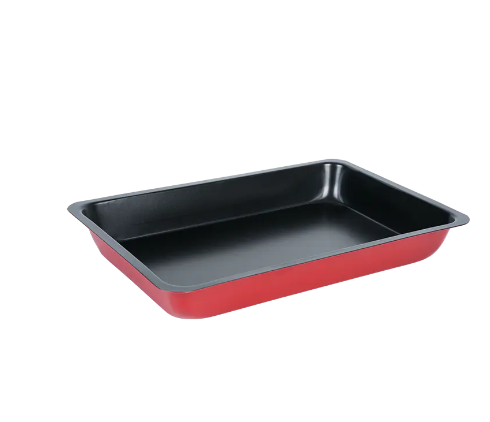
Unlike a simple plate or container, this tray is shaped and structured to influence how heat interacts with food. It is used in homes, small kitchens, and shared living spaces where quick preparation matters. Its presence reflects a shift toward more flexible cooking methods that adapt to limited time and space.
Why Does A Microwave Baking Tray Exist?
Microwaves heat food in a different way compared to traditional cooking methods. Instead of surrounding food with direct heat, they interact with moisture inside the food itself. This can sometimes lead to uneven results or soft textures that lack structure.
A microwave tray is introduced to adjust this behavior. It provides a stable surface that supports more balanced heat distribution within the microwave environment. The tray helps food sit in a way that allows more even exposure during heating.
In many cases, users look for results that feel closer to baked food. Crisp edges, stable shape, and more consistent texture become important. The tray helps bridge the gap between fast heating and structured cooking.
What Is A Microwave Baking Tray Made For?
The purpose of a microwave tray is not limited to holding food. It is designed to support a cooking process that blends heating and shaping.
It is commonly used for:
- Heating prepared meals with more even texture
- Cooking small baked-style items in a microwave environment
- Reheating food while maintaining structure
- Preparing snacks that require a firmer surface
- Supporting multi-step microwave cooking routines
Each use case focuses on improving how food behaves during heating. The tray becomes part of the process rather than just a container.
What Materials Are Typically Used In Microwave Baking Trays?
Microwave trays are made from materials that can withstand repeated heating without changing shape or releasing unwanted substances.
Common material categories include:
- Heat-resistant plastics designed for microwave use
- Ceramic-based surfaces that retain stability during heating
- Composite materials that combine durability with light weight
- Coated surfaces that help reduce sticking and improve cleaning
Each material type influences how the tray performs. Some focus on durability. Others focus on heat response or surface behavior.
The choice of material also affects how food interacts with the tray surface. Smooth surfaces may support easier cleaning, while textured surfaces may influence cooking patterns.
How Does A Microwave Baking Tray Work In A Microwave Environment?
Inside a microwave, energy is distributed throughout the cooking space. Food reacts based on its moisture content and structure. A tray changes how food sits within that space.
When food is placed on a microwave tray, the base remains stable. This reduces direct contact with uneven surfaces that may trap moisture. The result is often more balanced heating.
Some trays are shaped to slightly elevate food. This allows air and energy to move around more freely. In turn, food may heat in a more consistent way.
The tray does not change the microwave itself. It adjusts the cooking environment inside it.
How Is A Microwave Baking Tray Used In Daily Cooking?
Usage is simple, but the way it is applied can vary depending on food type and desired result.
A common usage flow looks like this:
- Place the tray inside the microwave cavity
- Arrange food evenly across the surface
- Ensure spacing between items where possible
- Start heating based on food requirement
- Allow brief settling time after heating
Food placement plays an important role. Even spacing helps avoid uneven heating. Overlapping items may lead to inconsistent results.Some users also combine the tray with additional microwave-safe covers to manage moisture levels during heating.
What Types Of Food Are Commonly Prepared On It?
Microwave trays are often used for foods that benefit from structure and controlled heating.
Examples include:
- Bread-based snacks that require slight firmness
- Small baked-style items prepared in microwave conditions
- Reheated meals that need stable texture
- Quick breakfast foods with layered ingredients
- Snack items that benefit from surface stability
The tray supports both heating and shaping. It does not fully replace oven baking, but it creates a different approach to similar food types.
How Does It Affect Cooking Results?
Cooking results in a microwave depend on how energy interacts with food. Without a stable surface, food may become uneven or lose structure.
A microwave tray introduces a controlled base. This helps reduce pooling of moisture in one area. It also helps food maintain shape during heating.
Texture is often the most noticeable difference. Food may feel more consistent across bites. Some items may hold form better after heating.
The effect is not about transforming the microwave. It is about influencing how food responds inside it.
What Makes It Different From A Regular Plate Or Tray?
A regular plate is designed mainly for holding food. It does not influence heat distribution or cooking behavior in a specific way.
A microwave tray is designed with cooking behavior in mind. It considers how food interacts with microwave energy and how structure can be supported during heating.
| Feature Comparison | Regular Plate | Microwave Baking Tray |
|---|---|---|
| Purpose | Food holding | Cooking support |
| Heat interaction | Passive | Influenced surface behavior |
| Food structure support | Limited | More stable |
| Cooking consistency | Variable | More controlled |
| Usage focus | Serving or reheating | Microwave cooking process |
This comparison shows how the tray plays a more active role in the cooking process.
Why Does Food Sometimes Cook Unevenly Even With A Tray?
Even with a tray, microwave cooking still depends on food composition and arrangement.
Uneven heating can come from:
- Irregular food size or thickness
- Overlapping pieces on the tray
- Differences in moisture levels
- Uneven spacing within the microwave cavity
- Variation in food density
The tray helps reduce these effects, but it cannot fully remove them. Food still responds to internal structure and placement.Small adjustments in arrangement often improve results more than changing tools alone.
How Should A Microwave Baking Tray Be Cleaned And Maintained?
Maintenance is usually straightforward. The focus is on keeping the surface clean and ready for repeated use.
A typical cleaning approach includes:
- Removing food residue soon after use
- Using mild cleaning methods to protect surface condition
- Avoiding harsh scrubbing on coated areas
- Ensuring complete drying before storage
- Checking for surface changes over time
Regular care helps maintain consistent performance. A clean surface also supports more predictable cooking results.
What Role Does It Play In Modern Kitchen Habits?
Modern kitchens often focus on speed, flexibility, and space efficiency. Cooking tools need to support quick preparation without adding complexity.
A microwave tray fits into this pattern. It allows users to adjust microwave cooking behavior without changing equipment.
In shared living environments or compact kitchens, it becomes a practical addition. It supports simple cooking routines while offering more control over results.
Its role is not to replace traditional cooking tools. It exists alongside them, offering another option for everyday food preparation.
Microwave baking trays continue to appear in kitchen setups where convenience and controlled heating are important. Their design reflects an effort to shape microwave cooking into a more structured and adaptable process, supporting a wide range of everyday food needs.