

 русский
 Español
The company relies on a high degree of brand awareness, fine product quality, convergence of multiple strong advertising media power, and through the integration of capital, knowledge, talent technology, channels, information operations.
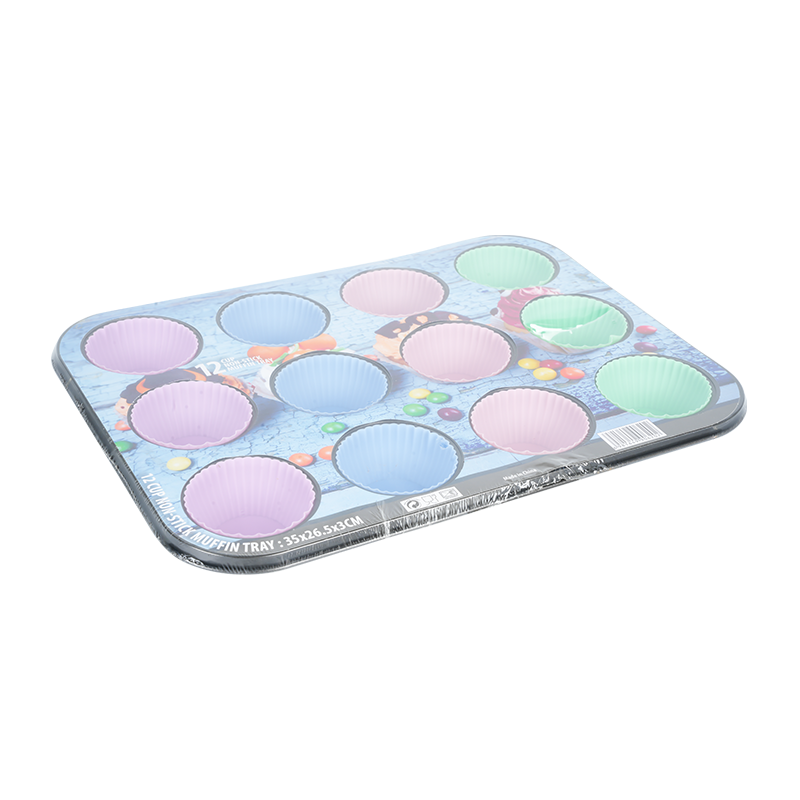
Muffin pans are essential tools for baking muffins, cupcakes, and other small treats. One common concern for both beginner and experienced bakers is whether food will stick to the pan during baking. Sticking can ruin the appearance of baked goods and make cleanup difficult. Choosing a high-quality pan from a Muffin Pan Factory and using proper preparation techniques can greatly reduce this issue.
Understanding Why Food Sticks
- Material and Coating: Muffin pans are typically made from aluminum, stainless steel, or carbon steel, sometimes with a non-stick coating. Pans without a non-stick layer are more prone to sticking, especially when baking sticky batters or sugary treats.
- Residual Moisture and Sugar: High sugar or moisture content in batter can caramelize and adhere to the pan’s surface. This is particularly common with recipes like chocolate chip muffins or honey-based batters.
- Improper Greasing or Lining: Failing to properly grease or line the pan is a primary cause of sticking. Even non-stick pans may require light greasing for results.
Techniques to Prevent Sticking
- Use Parchment Liners: One of the simple ways to prevent sticking is to line muffin cups with parchment paper liners. They create a barrier between the batter and the pan, ensuring easy removal.
- Grease the Pan: Lightly brushing the pan with oil, butter, or cooking spray before adding batter can prevent food from adhering. This is especially important for uncoated metal pans.
- Dusting with Flour: For recipes prone to sticking, lightly dusting greased pans with flour or cocoa powder for chocolate batters can create an extra protective layer.
Baking Tips for Better Release
- Allow Cooling Time: Let muffins or cupcakes cool in the pan for a few minutes before attempting removal. Immediate removal from a hot pan increases the chance of sticking.
- Gentle Loosening: Use a silicone spatula or plastic knife to gently loosen the edges before lifting the muffin out. Avoid metal tools that can scratch the pan’s surface.
- Avoid Overbaking: Overbaked muffins tend to stick more because the sugar and batter adhere strongly to the pan. Follow the recommended baking times and check for doneness early.
Choosing the Right Muffin Pan
- Non-Stick Coating: High-quality non-stick pans from a reliable Muffin Pan Factory reduce the risk of sticking and make cleanup easier.
- Material Considerations: Heavier materials like carbon steel or anodized aluminum distribute heat evenly, preventing overcooked edges that stick to the pan.
- Cup Size and Depth: Shallow cups or unusually shaped pans may increase the risk of sticking. Standard-sized pans with uniform depth promote even cooking and easier removal.
Maintenance for Longevity
- Hand Washing: Even non-stick pans should ideally be washed by hand with mild soap. Abrasive scrubbers can damage the coating, increasing the risk of sticking in future use.
- Avoid Metal Utensils: Using metal spoons or knives can scratch the pan, creating rough spots that cause sticking. Stick to silicone or wooden utensils.
- Proper Storage: Avoid stacking pans without protection. Use cloth or paper between pans to prevent scratches and maintain a smooth baking surface.
Food sticking to a muffin pan can be a frustrating experience, but it is preventable with the right techniques and quality tools. By using parchment liners, greasing properly, allowing cooling, and selecting durable pans from a trusted Muffin Pan Factory, bakers can enjoy well-baked muffins that release easily. Combining good baking habits with well-made pans ensures consistent results and a stress-free cleanup every time.