

 русский
 Español
The company relies on a high degree of brand awareness, fine product quality, convergence of multiple strong advertising media power, and through the integration of capital, knowledge, talent technology, channels, information operations.
Mini bread pans are a staple for home bakers, allowing for well-sized loaves every time. However, many users encounter the problem of pans changing color over time. Discoloration not only affects appearance but can also indicate wear that may impact performance. Understanding how to maintain your pans can prolong their lifespan and keep them looking new. Purchasing high-quality products from a Mini Bread Pans Factory ensures you start with durable materials designed to resist staining and discoloration.
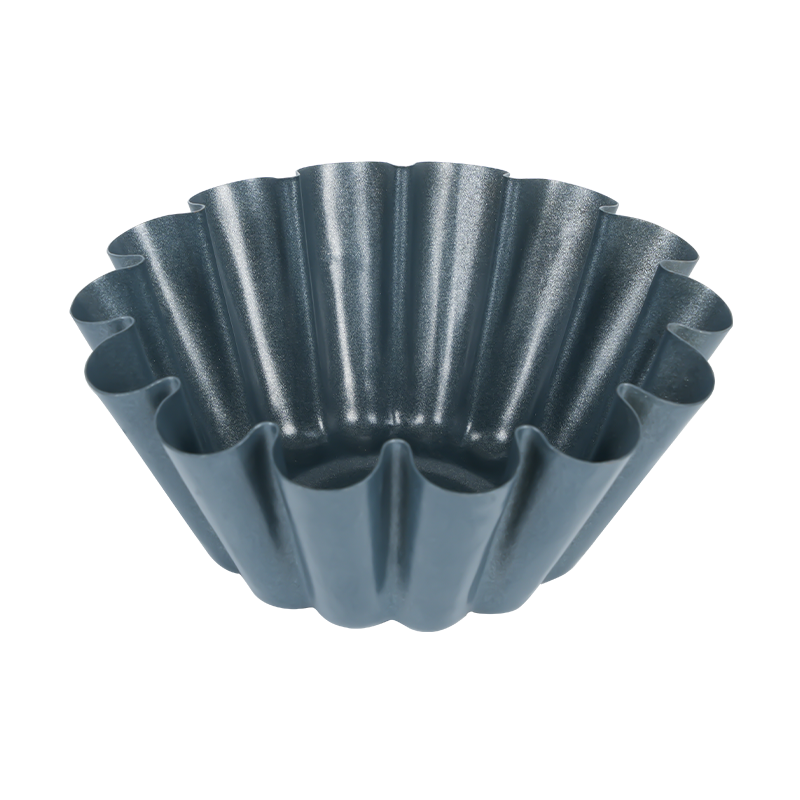
Understanding Why Mini Bread Pans Discolor
- Material Reactivity: Most mini bread pans are made from carbon steel or aluminum with non-stick coatings. Metal reacts with certain ingredients, such as acidic foods, which can cause darkening or staining.
- High Heat Exposure: Frequent exposure to high oven temperatures can cause color changes, particularly in pans without heat-resistant coatings. Over time, repeated thermal stress may lead to a darker or uneven appearance.
- Residual Oils and Sugars: Baking sweet or oily breads can leave residues that caramelize on the pan surface. These residues, if not cleaned properly, contribute to discoloration and sticky buildup.
Proper Cleaning Techniques
- Gentle Hand Washing: To avoid damage, always wash mini bread pans by hand using warm water and mild dish soap. Avoid abrasive sponges or steel wool that can scratch protective coatings.
- Immediate Cleaning: Clean pans immediately after use. Leaving crumbs, grease, or baked-on food overnight can intensify discoloration.
- Avoid Harsh Chemicals: Strong detergents or bleach can erode the metal or coating, accelerating color changes. Stick to pH-neutral soaps to maintain the surface integrity.
Maintenance Tips to Prevent Discoloration
- Seasoning Carbon Steel Pans: For uncoated carbon steel mini bread pans, applying a thin layer of oil and heating them can create a protective layer that reduces color change and sticking.
- Proper Storage: Avoid stacking pans without protection. Use cloth or paper liners to prevent scratches, which can lead to uneven discoloration over time.
- Temperature Management: Avoid sudden temperature changes, such as putting a hot pan under cold water. Thermal shock can warp the pan and exacerbate discoloration.
Choosing the Right Pan
- High-Quality Materials: Pans from a reputable Mini Bread Pans Factory often use materials that resist rust and staining. Investing in quality prevents early discoloration issues.
- Non-Stick Coatings: Consider pans with durable, high-temperature non-stick coatings. They provide an additional barrier against food residues and color changes.
- Size and Thickness: Thicker pans heat more evenly and are less prone to scorching, which can lead to discoloration. Uniform heat distribution is key to maintaining appearance.
Additional Preventive Measures
- Use Parchment Paper or Liners: Lining pans reduces direct contact with dough, sugar, and fats, which can reduce staining and sticking.
- Regular Inspection: Periodically inspect pans for scratches or coating damage. Addressing small issues early prevents larger discoloration problems.
- Avoid Metal Utensils: Use silicone, wooden, or plastic tools to remove bread. Metal can scratch surfaces and accelerate discoloration.
Preventing mini bread pans from changing color requires careful attention to cleaning, maintenance, and usage habits. By using high-quality materials from a Mini Bread Pans Factory, applying proper cleaning techniques, and managing oven temperatures wisely, bakers can preserve the appearance and functionality of their pans for years.