

 русский
 Español
The company relies on a high degree of brand awareness, fine product quality, convergence of multiple strong advertising media power, and through the integration of capital, knowledge, talent technology, channels, information operations.
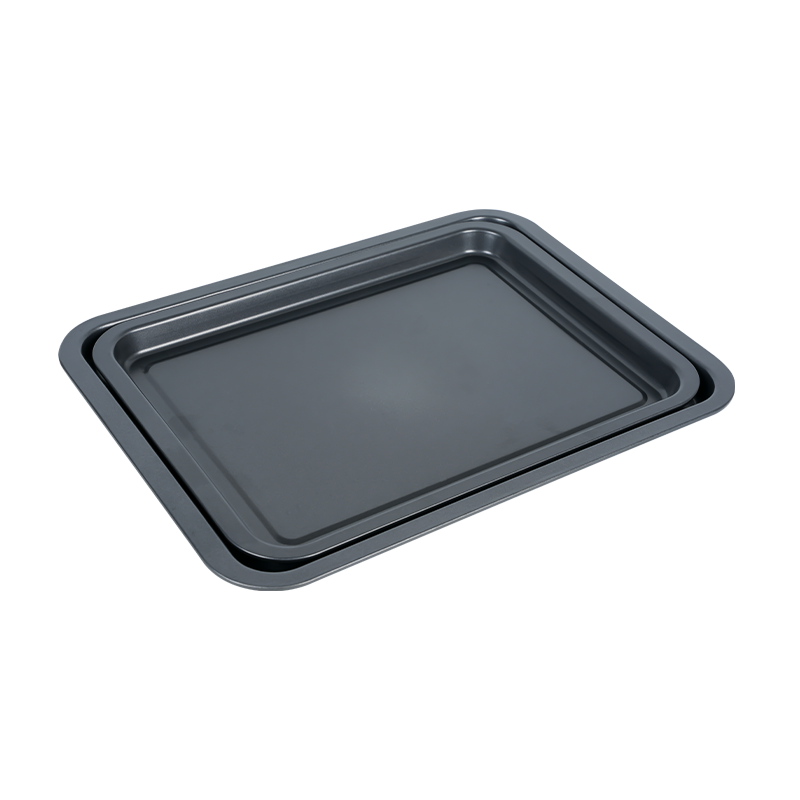
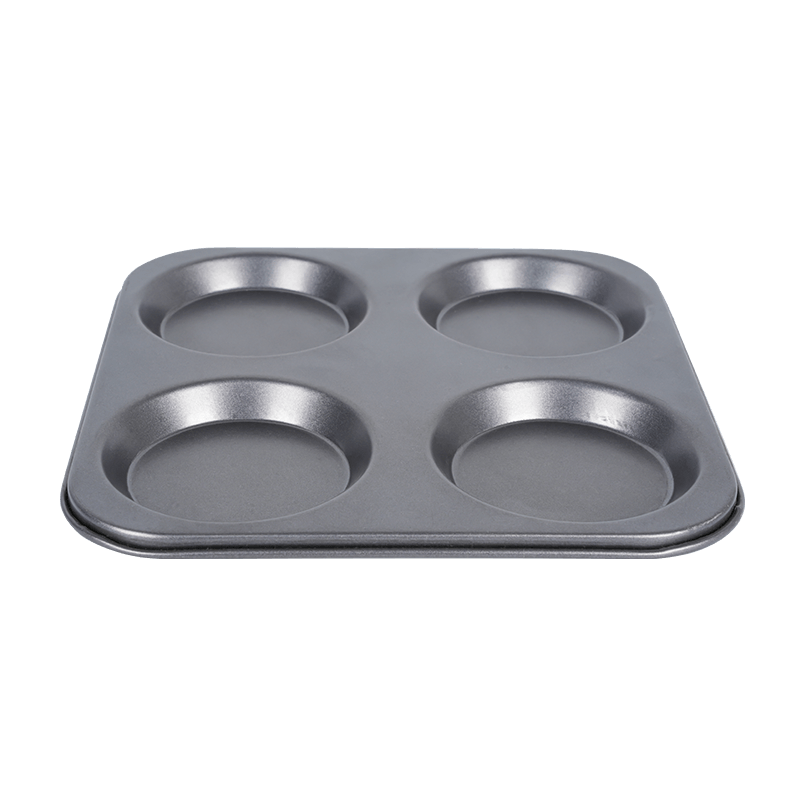
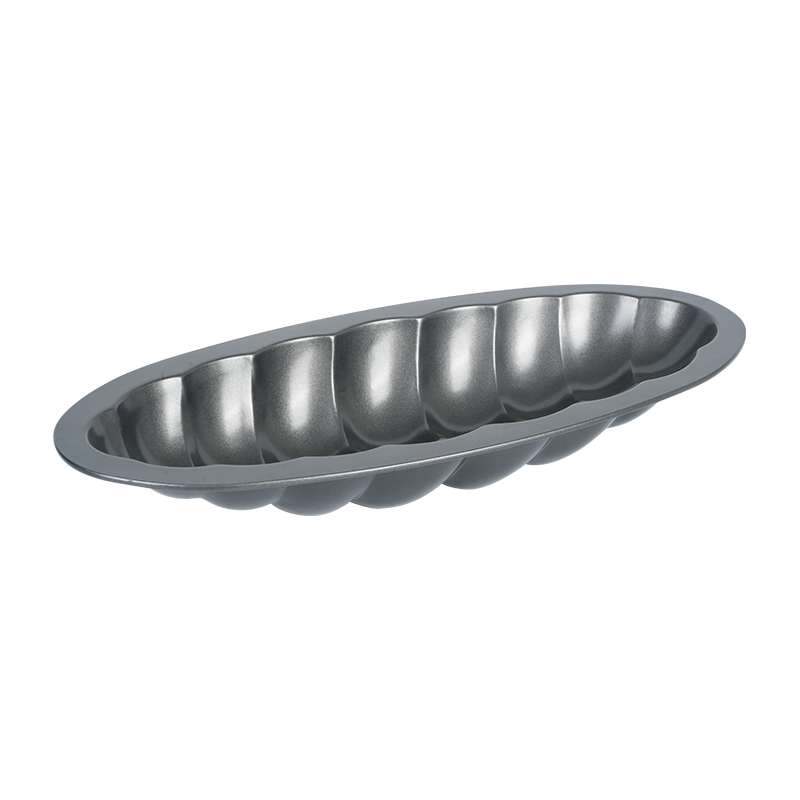
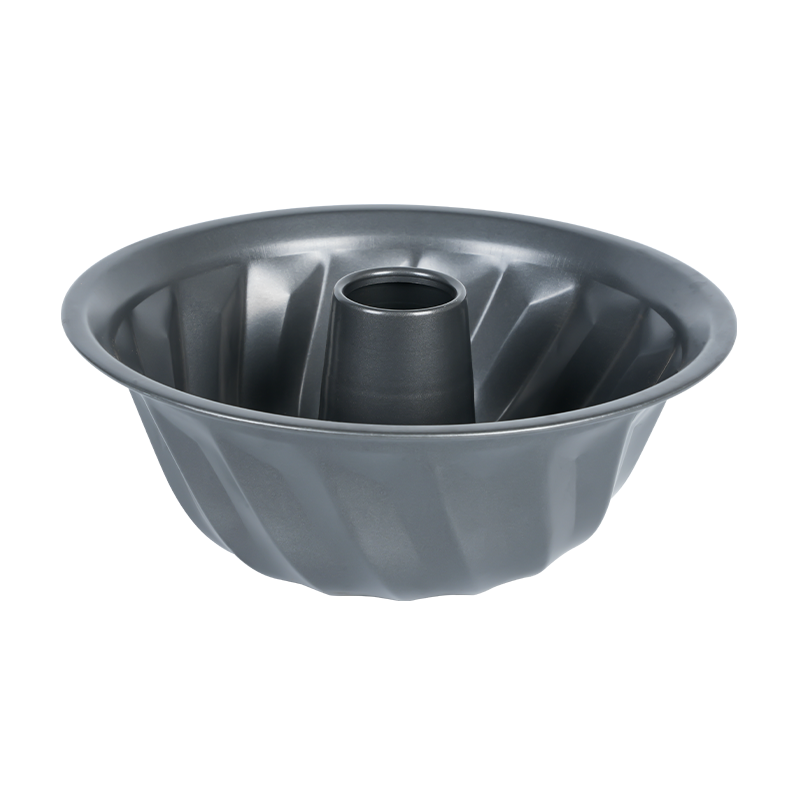
When using a microwave for baking, the choice of tray can significantly affect cooking results. One of the important factors is heat conductivity. Many bakers wonder whether a Microwave Baking Tray can distribute heat evenly to ensure uniform cooking. For manufacturers and suppliers, sourcing from a reliable Microwave Baking Tray Factory ensures the trays are designed with suitable materials and construction for consistent performance.

Understanding Heat Conductivity in Microwave Trays
- Material Matters: Microwave baking trays are made from various materials, including ceramic, glass, silicone, and specialized plastics. Each material has a different capacity for conducting heat. Metal trays, commonly used in conventional ovens, are usually avoided in microwaves due to safety concerns. In microwave trays, materials that conduct heat well help reduce hot and cold spots in baked goods.
- Tray Thickness: The thickness of the tray also plays a critical role. Thicker trays retain heat longer and can distribute it more evenly, while thinner trays may heat faster but unevenly. This can cause certain areas of your food to cook faster than others.
Factors Affecting Heat Distribution
- Microwave Radiation Patterns: Unlike conventional ovens, microwaves heat food by exciting water molecules. This can create uneven heating because the microwave energy may not reach all areas equally. A high-quality tray from a Microwave Baking Tray Factory is designed to optimize energy absorption and spread heat more uniformly.
- Tray Surface Design: Some trays have textured or perforated surfaces that allow microwaves to penetrate more effectively, reducing hotspots and promoting even cooking. Smooth, flat trays may not allow the same level of heat dispersion, especially for thicker batters or doughs.
- Material Conductivity: Materials like ceramic or certain composites have better thermal mass, which helps them absorb and radiate heat evenly. Silicone trays, while flexible and convenient, may not distribute heat as effectively due to lower thermal conductivity.
Advantages of Even Heat Distribution
- Consistent Baking Results: Even heat distribution ensures that cakes, cookies, and other baked goods cook uniformly. Uneven heating can cause burnt edges while leaving the center undercooked.
- Reduced Cooking Time: Trays that distribute heat efficiently reduce the need for adjusting cooking time repeatedly, saving energy and effort.
- Improved Texture and Flavor: Uniform heat helps achieve the desired texture, whether it’s a crisp crust or a moist interior. Hot and cold spots can negatively affect flavor and appearance.
Limitations and Tips
- Microwave Limitations: Even with a high-quality tray, microwave ovens have inherent limitations. Rotating trays or using turntables can help compensate for uneven microwave energy distribution.
- Preheating: Some trays, especially those with high thermal mass, benefit from preheating in the microwave or conventional oven to improve initial heat distribution.
- Maintenance: Proper cleaning and avoiding warping are essential. A warped or damaged tray can create uneven contact with food, reducing heat distribution efficiency.
The heat conductivity of a Microwave Baking Tray plays a crucial role in ensuring even cooking in microwave ovens. Materials, tray thickness, and surface design all contribute to effective heat distribution. While microwaves themselves have inherent challenges in providing uniform energy, choosing a tray from a reputable Microwave Baking Tray Factory can significantly improve baking results.