

 русский
 Español
The company relies on a high degree of brand awareness, fine product quality, convergence of multiple strong advertising media power, and through the integration of capital, knowledge, talent technology, channels, information operations.
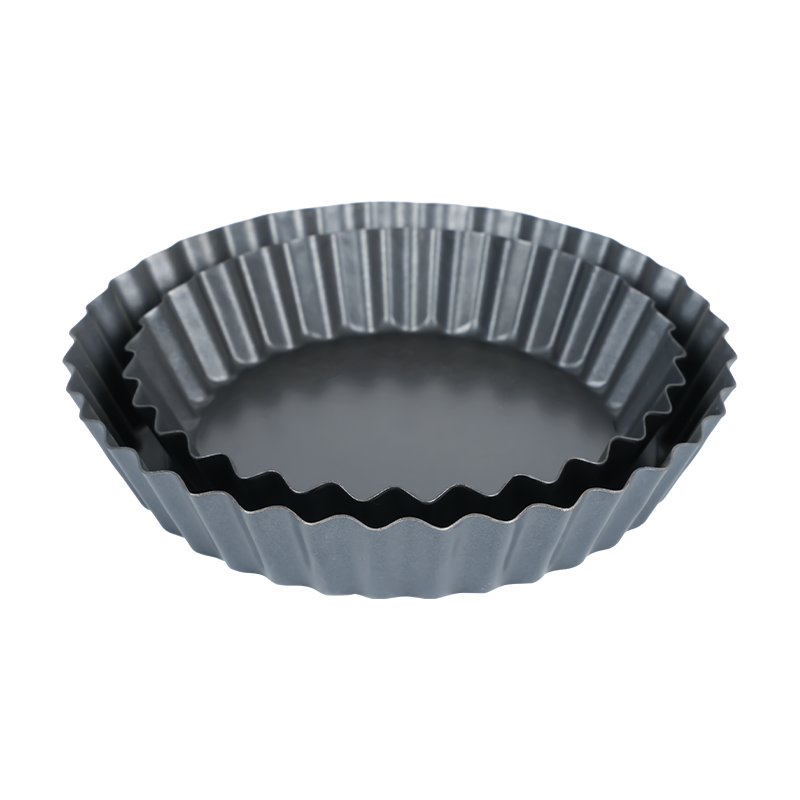
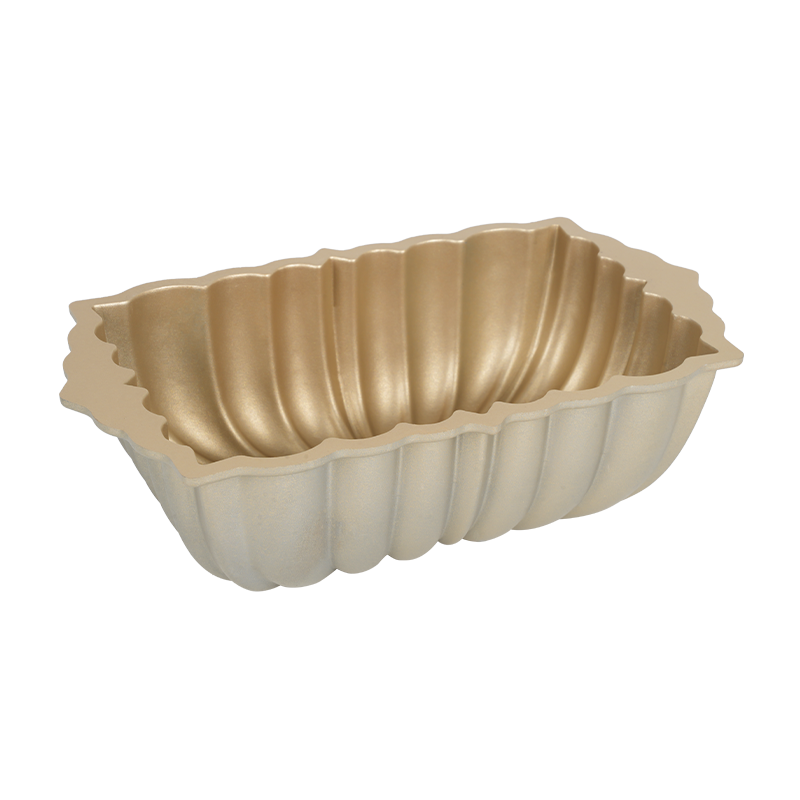
Kitchen cooking trays have a simple role in food preparation. They hold ingredients, support cooking, and make it easier to move food between different stages of a recipe. Yet their role has become broader as home cooking habits continue to change.
A tray may be used for roasting vegetables, preparing baked foods, arranging ingredients, or serving freshly prepared dishes. In some kitchens, the same tray can move from preparation to cooking and then to storage.
This flexibility is changing how consumers look at trays.
Instead of choosing a tray only by appearance, buyers are paying attention to how it fits their cooking habits. Size, shape, material, handling, cleaning, and storage can all affect everyday convenience.
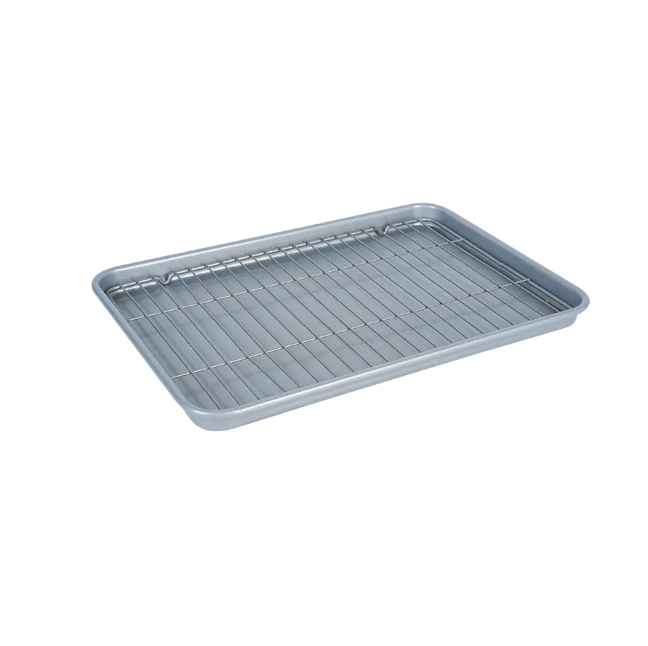
Baking creates another layer of demand. Baking often involves different food textures and preparation methods. A tray used for cookies may not serve the same purpose as one used for roasted vegetables or prepared meals.
Kitchen cooking trays are therefore becoming more application-focused. Manufacturers are exploring designs that can fit different cooking and baking routines while keeping everyday use straightforward.
Why Are Kitchen Cooking Trays Used for So Many Food Preparation Tasks?
The basic idea behind a cooking tray is simple. It provides a stable surface for preparing or holding food.
That simple function can support many kitchen activities.
A tray can help organize ingredients before cooking. It can hold food during baking. It can also make it easier to move several items together.
For home cooks, this can reduce unnecessary movement around the kitchen.
A tray can also support a more organized cooking process. Ingredients can be prepared in one place and moved together when needed. This can be useful when several dishes are being prepared at the same time.
Different cooking methods create different needs, however.
| Cooking or Baking Task | Useful Tray Consideration |
|---|---|
| Baking | Suitable shape and easy food handling |
| Roasting | Practical surface and convenient movement |
| Food preparation | Enough space for arranging ingredients |
| Serving | Appearance and easy handling |
| Cooling | Convenient placement and storage |
| Meal preparation | Simple organization and movement |
This variety explains why one universal tray design may not satisfy every kitchen.
The right choice depends on what the cook actually does.
How Do Kitchen Cooking Trays Adapt to Different Cooking Needs?
Cooking habits vary from one household to another.
Some people prepare simple meals. Others spend more time roasting, baking, or preparing several dishes together. Some kitchens have plenty of storage space, while others need products that can be put away easily.
It need to work within these different environments.
A tray used for everyday cooking may need to be easy to handle. A tray intended for baking may need a design that supports food preparation and removal. A tray used for serving may place greater emphasis on appearance.
These differences encourage manufacturers to develop a wider range of designs.
The goal is not necessarily to create more complicated products.
In many cases, it is about making small design choices that respond to real cooking habits.
A tray with practical edges can make food easier to move. A suitable shape can make storage simpler. A surface that is easier to clean can reduce the work after cooking.
These details may seem minor.
During everyday use, they can become important.
What Makes a Kitchen Cooking Tray Useful for Baking?
Baking requires careful preparation.
Ingredients often need to be arranged before they enter the oven. Once the food is ready, the tray may also need to support easy handling.
This makes the tray part of the baking process.
For some foods, spacing is important. Cookies, pastries, and other baked items may need room around them. Other foods may be arranged more closely.
The tray therefore needs to match the type of baking.
Shape also matters.
A tray with an appropriate form can make it easier to place food and remove it after cooking. The design can also affect how the tray fits into storage areas when it is not being used.
Cleaning is another consideration.
Baking can leave behind crumbs, oils, or other food residue. A tray that is easy to clean can make regular baking more convenient.
For frequent bakers, these small details may influence which tray becomes part of the regular kitchen routine.
Can One Tray Support Both Cooking and Baking?
In many cases, a versatile tray can support more than one type of food preparation.
This is attractive for kitchens where storage space is limited.
Instead of keeping separate trays for every task, a household may prefer products that can move between cooking and baking.
However, versatility should have practical limits.
A tray designed for one specific task may offer features that are less useful for another. A baking-oriented design may not be ideal for every roasting application. A serving tray may also have different priorities from a cooking tray.
The key is to understand the main uses.
Buyers can ask:
- Will the tray mainly be used for baking?
- Will it also be used for roasting?
- Does it need to support food preparation?
- Will it be used for serving?
- How often will it need to be cleaned?
- Where will it be stored?
These questions can help consumers choose a tray that matches their actual habits.
Versatility is valuable when it solves a real kitchen problem.
It is less useful when extra features make the product harder to handle or store.
How Does Material Choice Influence Everyday Tray Use?
Material is another important consideration.
Different materials can provide different experiences during cooking, handling, cleaning, and storage. Buyers may therefore look at material together with the intended use.
The choice should not be based on appearance alone.
A tray may look attractive but still be inconvenient for a particular cooking routine. Another product may have a simple appearance while offering a format that fits the kitchen more naturally.
Material can also influence cleaning preferences.
Some users want a tray that can be cleaned quickly after everyday meals. Others may be more concerned with how the tray feels during handling.
Manufacturers need to consider these practical expectations when developing kitchen cooking trays.
The material should work with the product's intended role.
| User Priority | Design Consideration |
|---|---|
| Easy handling | Comfortable overall form |
| Baking | Suitable surface and shape |
| Roasting | Practical food placement |
| Cleaning | Convenient surface care |
| Storage | Easy-to-manage form |
| Serving | Appropriate appearance |
| Frequent use | Simple and practical design |
The material is therefore only one part of the product.
Its value depends on how it works with the rest of the tray.
Why Does Tray Shape Matter in Modern Kitchens?
Kitchen space can influence product choices.
Not every household has a large cabinet or wide storage area. A tray that is difficult to store may become inconvenient even if it works well during cooking.
This makes shape important.
A practical tray needs to fit the cooking area and the storage area.
Handles can also affect how the product is moved. Raised edges can influence how food is held. A compact form can make storage easier.
These design decisions should support the way people actually use the product.
For example, someone who prepares meals regularly may prefer a tray that can be moved easily from one area to another. Someone who mainly bakes may focus more on the tray's surface and shape.
There is no single design requirement for every user.
This is why manufacturers are paying attention to different kitchen routines rather than treating all consumers in the same way.
How Can Kitchen Cooking Trays Make Food Preparation More Organized?
Cooking can become messy when ingredients and utensils are spread across the kitchen.
A tray can provide a simple way to group food items.
Ingredients can be placed together before cooking. Prepared food can be moved as a group. Several items can also be arranged in one place while the cook works on another part of the meal.
This creates an organizational benefit.
The tray becomes more than a surface for cooking.
It can also become a temporary workspace.
This is particularly useful for meal preparation.
A cook can arrange vegetables, prepared ingredients, or baking items on the tray before moving them to the next stage.
The idea is simple.
Better organization can make cooking feel more manageable.
Manufacturers can support this experience through practical tray shapes and easy handling.
The product does not need to be complicated. It simply needs to fit naturally into the preparation process.
Could Storage and Cleaning Influence Kitchen Cooking Tray Design?
Cooking does not end when food leaves the tray.
The product then needs to be cleaned and stored.
These steps can influence whether consumers enjoy using the tray regularly.
A tray that takes too much effort to clean may be used less often. A tray that occupies too much storage space can create another problem.
This is why modern kitchen product design increasingly considers the entire use cycle.
The process can be viewed as:
Preparation → Cooking → Handling → Cleaning → Storage
Each stage creates a different requirement.
During preparation, the tray needs to be convenient.
During cooking, it needs to fit the intended task.
During handling, it should be manageable.
After cooking, cleaning should be practical.
During storage, the tray should fit naturally into the available space.
A product that works across this entire cycle can become more useful in everyday kitchens.
What Are Consumers Looking for in Kitchen Cooking Trays?
Consumer expectations are not limited to cooking performance.
Appearance can also influence purchasing decisions. Many kitchen products remain visible when they are not being used. Buyers may therefore want products that fit the style of their kitchen.
At the same time, practical features remain important.
| Consumer Expectation | Possible Design Focus |
|---|---|
| Convenient cooking | Practical tray shape |
| Easy baking | Suitable food arrangement |
| Simple handling | Comfortable form |
| Easy cleaning | Convenient surface design |
| Efficient storage | Manageable size and shape |
| Flexible use | Adaptable cooking format |
| Attractive appearance | Coordinated visual design |
This creates an interesting balance.
A tray needs to look appropriate while still serving its practical purpose.
For manufacturers, this means product development is increasingly connected to both function and lifestyle.
The kitchen is no longer viewed only as a place for cooking.
It is also a place where people organize meals, experiment with recipes, prepare food for guests, and manage daily routines.
Kitchen cooking trays need to fit into that wider environment.
How Are Manufacturers Responding to Changing Cooking Habits?
Cooking habits continue to become more varied.
People may cook at home more often. They may prepare food in advance. They may combine baking with everyday meal preparation. They may also look for products that save storage space and simplify cleaning.
These changes create new opportunities for kitchen cooking tray manufacturers.
Manufacturers can respond through product variety and practical design.
Some products may focus on baking.
Others may support roasting or food preparation.
Some may emphasize portability and storage.
Others may combine several functions in one design.
Customization can also play a role in certain product development projects. A manufacturer may work with a customer to create a tray that fits a particular cooking concept, food service requirement, or kitchen environment.
The important point is that product development starts with use.
Manufacturers need to understand what people are trying to accomplish in the kitchen.
That knowledge can influence the tray's shape, material, handling, appearance, and packaging.
Should Buyers Choose Kitchen Cooking Trays Based on Their Cooking Habits?
A personal cooking routine can provide a useful starting point.
Someone who bakes frequently may have different needs from someone who mainly prepares roasted meals.
A small household may prioritize storage.
A larger household may need more room for food preparation.
A person who cooks every day may pay more attention to cleaning and handling.
The purchasing decision can therefore begin with a simple question:
What will this tray actually be used for?
From there, buyers can consider several factors.
Cooking style
Identify the main foods and preparation methods.
Frequency of use
Frequent use can make handling and cleaning more important.
Kitchen space
Consider where the tray will be used and stored.
Cleaning habits
Think about how much time is available for post-cooking care.
Storage needs
Choose a shape that fits the available space.
Visual preference
Appearance can matter when kitchen products are visible during daily routines.
This approach makes the selection process more personal.
Rather than choosing a tray simply because it looks useful, buyers can select one based on how they actually cook.
As cooking and baking routines continue to overlap, kitchen cooking trays are being designed around more than a single task. Their role now connects food preparation, cooking, handling, cleaning, storage, and kitchen organization. For consumers and manufacturers alike, the focus is shifting toward trays that can fit naturally into different cooking habits without making everyday kitchen routines unnecessarily complicated.