

 русский
 Español
The company relies on a high degree of brand awareness, fine product quality, convergence of multiple strong advertising media power, and through the integration of capital, knowledge, talent technology, channels, information operations.
Microwave cooking has become part of many everyday kitchen routines. People use microwaves to warm meals, prepare snacks, soften ingredients, and handle small food preparation tasks. As these habits change, cookware and food preparation accessories are also receiving more attention.
A microwave baking plate is one example.
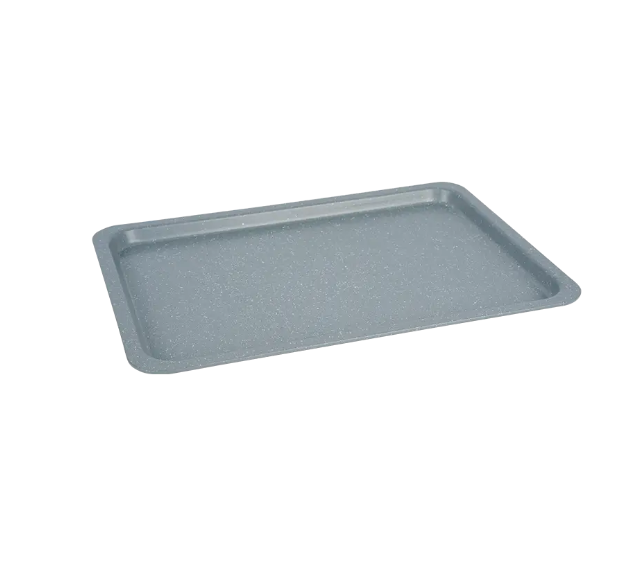
Although its shape and appearance are easy to notice, the material can have a much greater effect on how the plate fits into everyday use. Material influences how the plate interacts with heat, how it handles food, how easy it is to clean, and whether it is appropriate for microwave applications.
For consumers and kitchen product suppliers, material selection is therefore more than a design choice.
Different materials can create different experiences. A plate intended for occasional food preparation may have different priorities from one designed for repeated household use. The type of food, cleaning habits, storage space, and handling preferences can also influence the choice.
Understanding these differences can make it easier to evaluate microwave baking plates before bringing them into a kitchen.
What Role Does Material Play in a Microwave Baking Plate ?
The material forms the basic character of a baking plate.
It affects the plate's weight, surface feel, durability, cleaning experience, and suitability for the intended cooking method. It can also influence how the plate behaves when exposed to heat.
It needs to be designed for its intended use. Not every material is automatically appropriate for microwave cooking.
Some materials are commonly associated with kitchen cookware because they can tolerate heat and repeated handling. Other materials may be suitable for serving but not for microwave heating. This difference makes material selection important.
A useful way to understand the relationship is to look at several common considerations.
| Material Consideration | Why It Matters |
|---|---|
| Heat Suitability | Helps determine whether the plate fits microwave use |
| Surface Character | Influences food handling and cleaning |
| Weight | Affects carrying and everyday handling |
| Durability | Influences repeated household use |
| Cleaning Needs | Affects maintenance routines |
| Food Contact Suitability | Helps support appropriate kitchen use |
| Storage | Influences how easily the plate fits into available space |
The material should work with the complete product design.
A well-shaped plate still needs an appropriate material. Likewise, a suitable material may not solve problems caused by an unsuitable design.
Why Is Heat Suitability Important?
It is exposed to heat during use.
This makes heat suitability one of the key material considerations. The plate should be designed for the cooking conditions it is expected to encounter.
Different materials respond differently to heating.
Some may remain stable under suitable microwave use, while others may not be intended for this type of application. Consumers should therefore check the manufacturer's instructions rather than assuming that any plate described as a baking accessory can safely be placed in a microwave.
The food itself also matters.
Foods with different moisture and fat levels can behave differently during heating. The plate needs to be appropriate for the intended food preparation method.
Material selection is therefore connected to the entire cooking process.
For suppliers, this can also influence product positioning. It designed for household food preparation should clearly communicate its intended use. Clear product information can help consumers make more informed decisions.
How Can Material Affect Food Preparation?
The surface of a microwave baking plate can influence how food behaves during preparation.
A suitable surface can make it easier to place, remove, and serve food. It can also affect how much food residue remains after use.
This becomes particularly noticeable with baked or semi-baked foods.
Cookies, small cakes, pastries, and similar foods may leave residue on the plate. A surface that is easy to clean can make the next use more convenient.
The material may also influence the feel of the plate during handling.
A lightweight plate can be easier to move. A heavier design may feel more substantial. Neither approach is automatically suitable for every kitchen.
The intended user matters.
A household that frequently prepares small portions may value easy handling. Another household may place greater emphasis on durability and repeated use.
Material should therefore be considered alongside the product's shape and intended food applications.
Does Material Affect Cleaning and Everyday Maintenance?
Cleaning is often overlooked when people choose kitchen accessories.
Yet it can strongly influence how often a product is used.
It that is difficult to clean may become inconvenient even if it performs its intended function. A surface that allows food residue to be removed more easily can support a simpler daily routine.
Different materials can require different cleaning methods.
Some may be suitable for routine washing. Others may have specific care instructions. Coatings or decorative surfaces may also require additional attention.
This is why users should check the manufacturer's care guidance.
A simple maintenance routine can help preserve the condition of the plate. It can also reduce the temptation to use unsuitable cleaning methods that may affect the surface.
For product designers, cleaning should be considered from the beginning.
It is not only a cooking item. It is also a kitchen item that needs to be stored, washed, handled, and used repeatedly.
A material choice that supports these activities can make the product more practical.
Which Materials Are Commonly Considered for Microwave Baking Plates?
The material options available for baking plates can vary according to the product design and intended use.
Glass, ceramic, certain food-contact plastics, and other purpose-designed materials may be considered for microwave cookware. Each material has its own characteristics.
The important point is not to assume that one material works for every application.
Glass
Glass is familiar in many kitchens.
It can provide a smooth surface and is often associated with food preparation and serving. Its appearance can also make it attractive for products that move directly from cooking to the dining table.
However, users should follow the manufacturer's guidance regarding microwave suitability and handling.
Ceramic
Ceramic products are also widely used in kitchenware.
They can provide a solid feel and a familiar food-serving appearance. Some ceramic baking plates are designed for microwave use.
Their suitability depends on the specific product and its construction. Users should not assume that all ceramic products are microwave-safe.
Food-Contact Plastic
Certain plastics are developed for kitchen applications.
They can offer lightweight handling and convenient storage. This can be useful for compact kitchens or households that prefer easy-to-carry cookware.
The specific material and product design matter.
Only products intended for microwave use should be selected for this purpose.
| Material Type | Possible Everyday Character |
|---|---|
| Glass | Smooth feel and familiar kitchen appearance |
| Ceramic | Solid handling and serving-friendly design |
| Suitable Plastic | Lightweight and easy to handle |
| Purpose-Designed Composite Material | Can combine selected product characteristics |
This comparison does not mean that one category is suitable for every user.
The manufacturer's instructions remain important when determining whether a specific product is appropriate.
How Does Material Influence Durability?
Repeated kitchen use can place pressure on cookware.
A microwave baking plate may be moved from a cupboard to the microwave, handled while hot, cleaned after use, and stored again. Over time, these repeated actions can affect the condition of the product.
Material plays a role in how the plate handles everyday use.
Some materials can be more resistant to certain forms of wear. Others may require more careful handling.
This does not mean that a particular material will always last longer.
Product construction, surface treatment, manufacturing quality, storage conditions, and user habits all contribute to durability.
For example, dropping a rigid plate can create a different type of risk from dropping a flexible one. Scratching, staining, and surface wear may also differ between materials.
A practical choice should therefore consider how the plate will actually be used.
A household that uses the plate occasionally may have different priorities from a food service environment or a family that prepares microwave snacks regularly.
Why Does Weight Matter When Selecting the Material?
Material also influences how a microwave baking plate feels in the hand.
Weight can affect carrying, placing, removing, and cleaning.
A lighter plate may be convenient for users who frequently move cookware around the kitchen. It may also be easier to store in cabinets with limited space.
A heavier plate can provide a different handling experience.
It may feel stable during food preparation, but users may need more effort when moving it.
There is no universal preference.
The best fit depends on the intended application, user habits, and product design. Weight should also be considered together with the size and shape of the plate.
A compact plate for small portions may prioritize easy handling. A larger food preparation plate may place greater emphasis on stability.
Material selection can influence both.
What Should Buyers Check Before Choosing a Microwave Baking Plate?
Material should not be evaluated in isolation.
A buyer can look at several product characteristics at the same time.
Microwave Suitability
Check whether the product is specifically intended for microwave use. Do not rely only on the material name.
Food Contact Information
Look for clear information about the intended food preparation application.
Cleaning Instructions
Consider whether the recommended cleaning method fits your daily routine.
Handling
Think about how the plate will be moved, used, washed, and stored.
Food Type
Consider whether the plate will mainly be used for baked foods, snacks, reheating, or other preparation tasks.
Storage
Make sure the shape and material fit the available kitchen storage area.
Product Instructions
Follow the manufacturer's guidance for heating, handling, cleaning, and care.
These simple checks can help reduce unsuitable purchases.
The material may attract attention when a product is displayed, but the complete product specification provides a more useful basis for selection.
How Can Material Selection Support Different Kitchen Needs?
Kitchen habits are changing.
Some households prepare food in larger batches. Others prefer small portions and quick preparation. Some users want cookware that can move directly from the microwave to the table. Others care more about easy cleaning and compact storage.
These different habits create different material priorities.
| Kitchen Need | Material-Related Consideration |
|---|---|
| Quick Food Preparation | Convenient handling |
| Small-Batch Baking | Suitable food-contact surface |
| Frequent Cleaning | Practical maintenance |
| Compact Storage | Manageable weight and shape |
| Serving Food | Appearance and handling |
| Repeated Use | Appropriate durability |
| Flexible Kitchen Use | Suitable microwave application |
A microwave plate is therefore not simply a flat cooking surface.
Its material, shape, surface, and intended use work together.
For manufacturers and suppliers, this creates room for product differentiation. One design may focus on lightweight handling. Another may emphasize serving appearance. Another may be designed around easy cleaning or repeated household use.
Clear product descriptions can help buyers understand these differences.
Material information is especially important because consumers may not be able to judge microwave suitability by appearance alone. A transparent description of intended use, care requirements, and material characteristics gives users a clearer basis for choosing the right product.
As microwave cooking continues to support everyday food preparation, material remains an important part of microwave baking plate design. The choice can influence heat suitability, handling, cleaning, durability, storage, and the overall experience of using the plate in a home kitchen.