

 русский
 Español
The company relies on a high degree of brand awareness, fine product quality, convergence of multiple strong advertising media power, and through the integration of capital, knowledge, talent technology, channels, information operations.
Microwave baking trays are exposed to rapid heating, uneven energy distribution, and frequent temperature changes.
Deformation usually occurs when materials cannot withstand repeated thermal stress.
Discoloration is often caused by overheating, food residue buildup, or chemical reactions between food and the tray surface.
Products designed by a Microwave Baking Tray Factory typically address these issues through material selection and structural design, but user practices remain equally important.
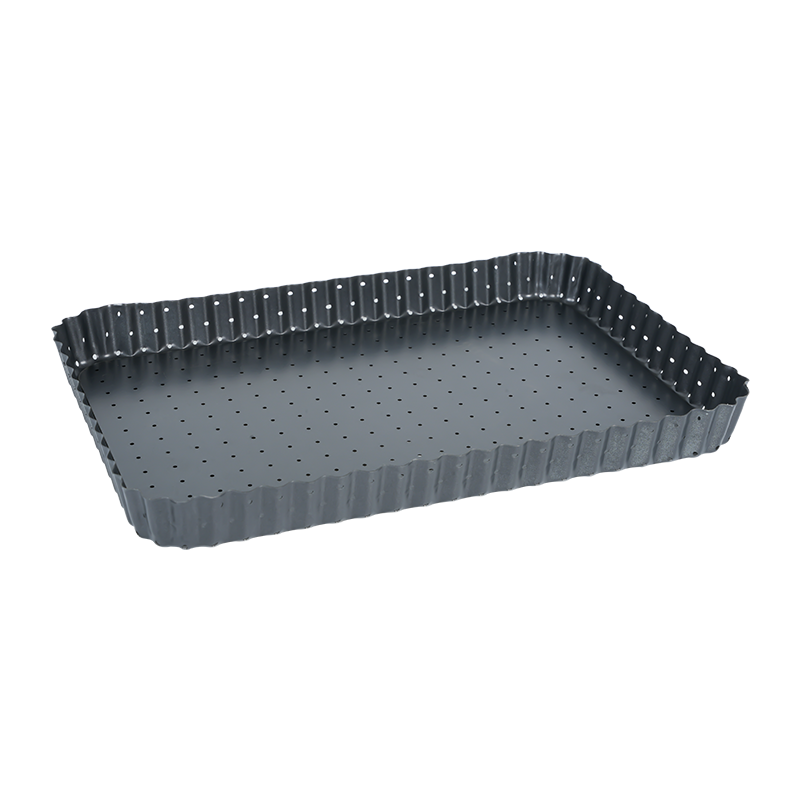
Choosing the Right Material from the Start
Heat-Resistant Materials:
- Trays made from microwave-safe glass, high-grade silicone, or certified microwave-safe plastics resist warping better.
- Inferior plastics soften under high heat, increasing the risk of deformation.
Color-Stable Compounds:
- High-quality materials include stabilizers that prevent yellowing or dark spots over time.
- Cheaper materials may discolor quickly when exposed to oils or sugars.
Manufacturer Standards:
- Reputable Microwave Baking Tray Factory products usually comply with international food safety and heat resistance standards.
Avoiding Excessive Heat Exposure
Follow Power Guidelines:
- Use the recommended microwave power level instead of the default high settings.
- Lower power reduces thermal stress and helps preserve tray shape.
Limit Extended Heating:
- Avoid heating food for excessively long periods without breaks.
- Allow the tray to cool between cycles to prevent material fatigue.
Use Proper Cooking Modes:
Do not use grill or convection modes unless the tray is explicitly designed for them.
Proper Food Placement and Loading
- Even Weight Distribution:
Place food evenly across the tray surface to prevent localized stress.
Uneven loads can cause bending or warping during heating.
- Avoid Overloading:
Overfilled trays trap heat and moisture, increasing the risk of deformation.
Follow capacity recommendations for results.
- Use Liners When Needed:
Microwave-safe parchment or liners can reduce direct heat and prevent staining.
Cleaning Practices That Preserve Tray Appearance
Gentle Cleaning Methods:
Wash trays with mild detergents and soft sponges.
Avoid abrasive scrubbers that damage protective surfaces.
Immediate Cleaning:
Clean the tray soon after use to prevent baked-on residues.
Sugars and oils left on the surface can cause permanent discoloration when reheated.
Dishwasher Caution:
Even if dishwasher-safe, frequent high-temperature washing may accelerate fading or warping.
Preventing Chemical Reactions and Stains
Limit Acidic Foods:
- Foods high in tomato, vinegar, or citrus can react with certain materials.
- Use liners or reduce heating time when cooking acidic recipes.
Avoid Artificial Coloring Residues:
- Foods with strong dyes, such as curry or tomato sauce, can stain trays.
- Rinse immediately after use to reduce absorption.
Oil Management:
Excess oil can darken tray surfaces over time, especially on light-colored materials.
Storage and Handling Practices
Allow Full Cooling:
- Never stack or store trays while still hot.
- Heat-softened materials are more prone to warping under pressure.
Flat Storage:
- Store trays on flat surfaces to maintain their original shape.
- Avoid bending or squeezing them into tight spaces.
Protect from Heavy Loads:
Do not place heavy cookware on top of microwave trays during storage.
Regular Inspection and Maintenance
Check for Early Signs:
- Look for slight bends or color changes after repeated use.
- Early detection helps prevent permanent damage.
Rotate Usage:
Using multiple trays alternately reduces wear on a single item.
Follow Manufacturer Instructions:
Guidelines provided by a Microwave Baking Tray Factory are designed to extend product lifespan.
Long-Term Value of Proper Care
Consistent Performance:
Well-maintained trays heat food evenly and safely over time.
Cost Efficiency:
Preventing deformation and discoloration reduces the need for frequent replacements.
Food Safety Assurance:
Maintaining tray integrity ensures no harmful substances leach into food.
Extending the Life of Your Microwave Baking Tray
Preventing deformation and discoloration requires a combination of proper material choice, careful heating practices, and regular maintenance.
By controlling heat exposure, cleaning gently, and storing trays correctly, users can significantly extend product life.
High-quality designs from a trusted Microwave Baking Tray Factory provide a strong foundation, but correct daily use ultimately determines long-term performance.
With informed care habits, microwave baking trays remain functional, visually appealing, and safe for consistent everyday cooking.