

 русский
 Español
The company relies on a high degree of brand awareness, fine product quality, convergence of multiple strong advertising media power, and through the integration of capital, knowledge, talent technology, channels, information operations.
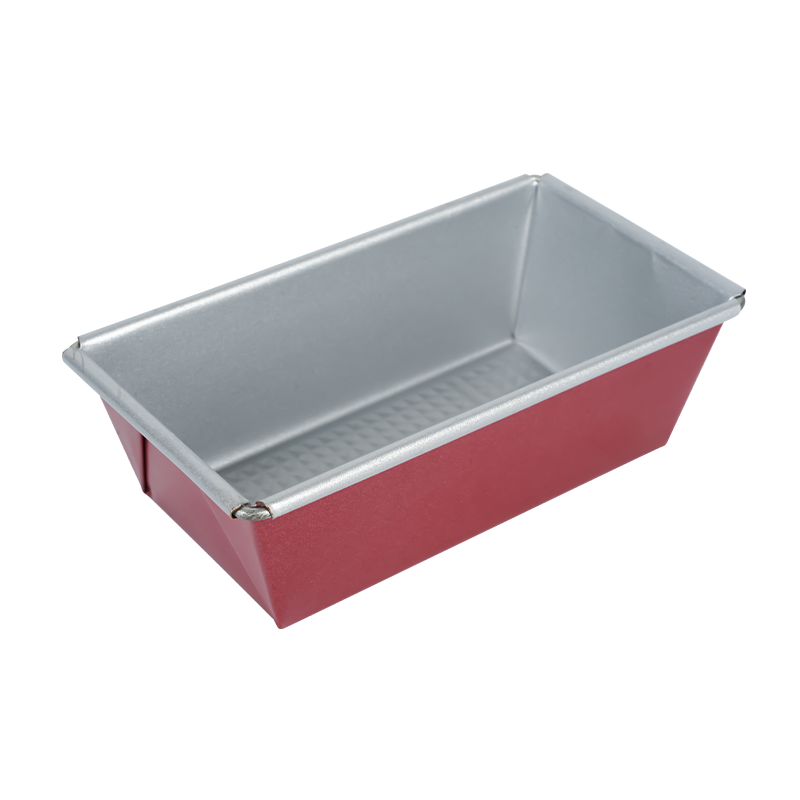
The ability to easily remove bread from a pan is a critical aspect of baking. Mini Bread Pans Factory produces pans in a variety of sizes, and the demolding performance can vary depending on the dimensions, material, and surface treatment of each pan. Understanding how size affects release performance helps bakers achieve clean, intact loaves without damaging the crust or crumb structure.
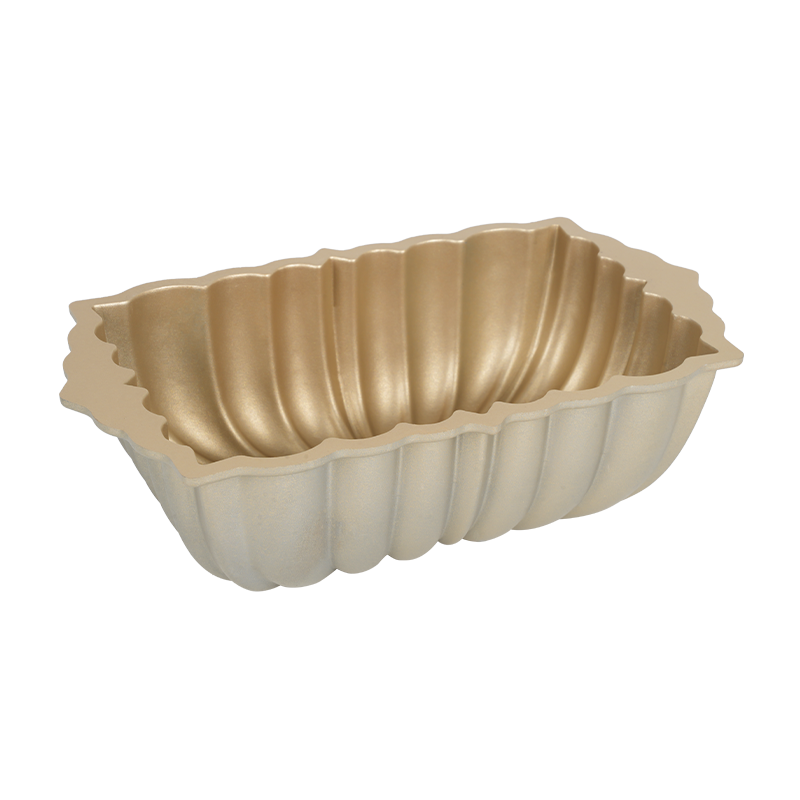
Impact of Pan Size on Bread Release
Smaller mini bread pans often create tighter loaves that fill the mold. While this can help maintain shape, it may make demolding more challenging, particularly if the pan is deep relative to its width. In contrast, slightly larger pans provide more space around the dough, reducing friction against the sides of the mold and making release easier. Bakers must consider the ratio of pan depth to loaf size to ensure that the bread can be removed without sticking or tearing.
Material and Coating Considerations
The material of the pan interacts with its size to influence release performance. Metal pans with non-stick coatings are common in Mini Bread Pans Factory offerings and generally provide easy demolding. Silicone pans are naturally flexible, allowing bakers to gently push or peel the bread out, which is particularly advantageous for smaller molds where a tight fit can be an issue. In contrast, untreated metal or glass pans may cause sticking in both small and large sizes unless greased or lined with parchment paper.
Crust Thickness and Bread Structure
Bread release is also affected by the thickness of the crust, which can vary with pan size. Smaller pans tend to generate loaves with slightly thicker crust relative to the interior, as heat concentrates more in the compact space. This can increase adhesion to the pan surface, making careful preparation necessary. Larger pans distribute heat more evenly, resulting in a thinner crust that releases more easily. Therefore, understanding the interaction between pan size, heat distribution, and crust formation is key to successful demolding.
Practical Tips for Optimal Release
To improve release performance across different mini bread pan sizes, several practical strategies can be employed. Lightly greasing or using a non-stick spray, lining pans with parchment, or allowing the bread to cool slightly before removal can all facilitate cleaner extraction. For very small pans, gentle tapping or flexing, if the material allows, can help separate the loaf from the mold without damaging its shape. Selecting the appropriate pan size for the recipe and dough volume also decreases the risk of sticking.
Selecting Pan Size for Easy Demolding
The Mini Bread Pans Factory offers a range of sizes suitable for different baking needs, but demolding performance varies with dimensions, material, and surface treatment. Smaller pans may produce tighter loaves that require careful handling, while larger pans generally allow easier release. By considering pan size in combination with material choice, crust development, and preparation techniques, bakers can achieve consistent, clean results and maintain the visual appeal and texture of their mini breads. Proper understanding of these factors ensures that baking remains both efficient and enjoyable.