

 русский
 Español
The company relies on a high degree of brand awareness, fine product quality, convergence of multiple strong advertising media power, and through the integration of capital, knowledge, talent technology, channels, information operations.
Introduction to Bakeware Material Durability
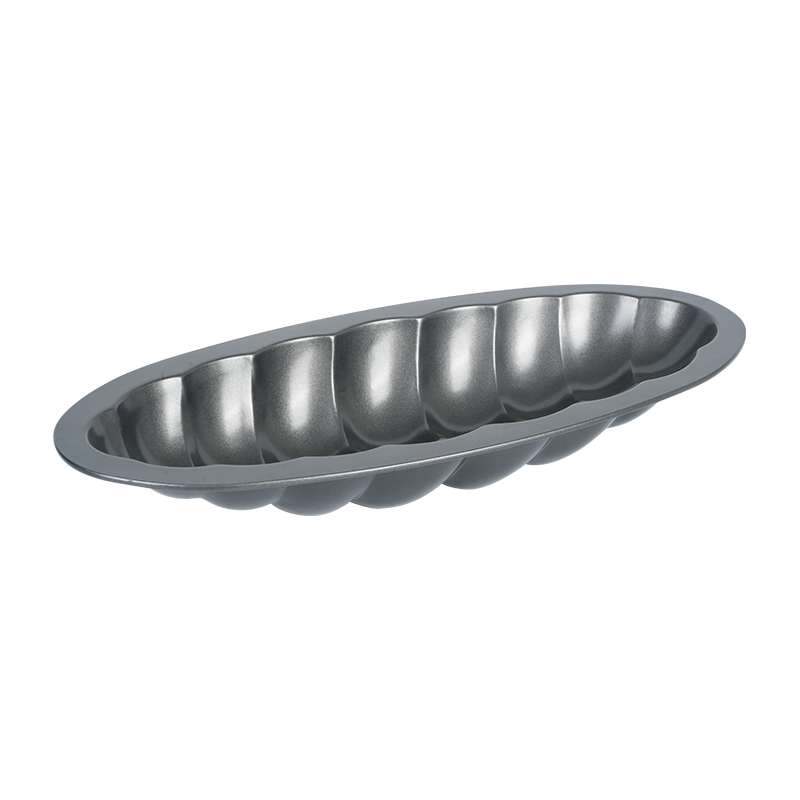
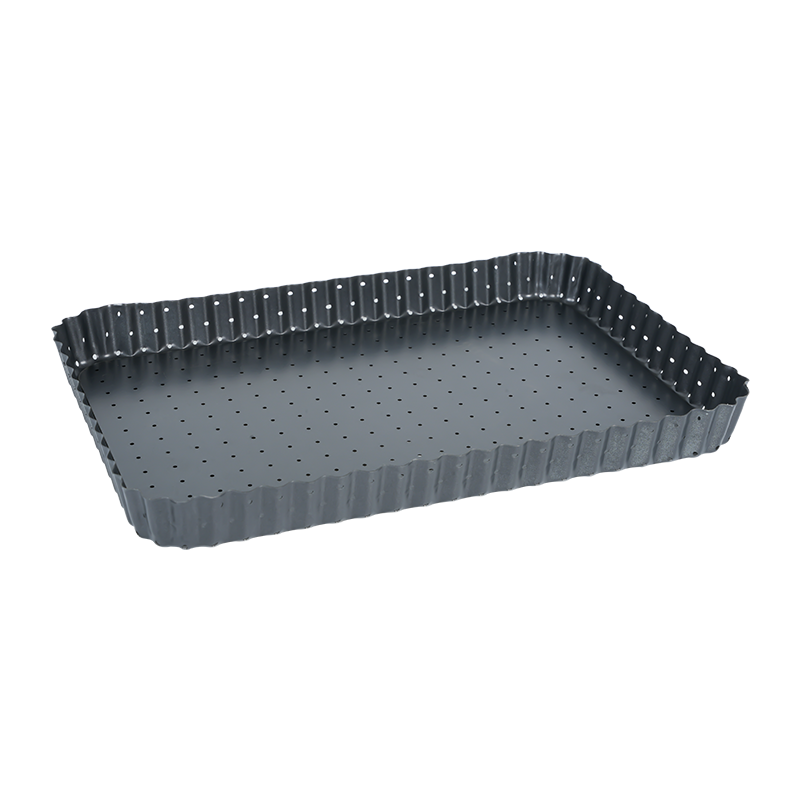
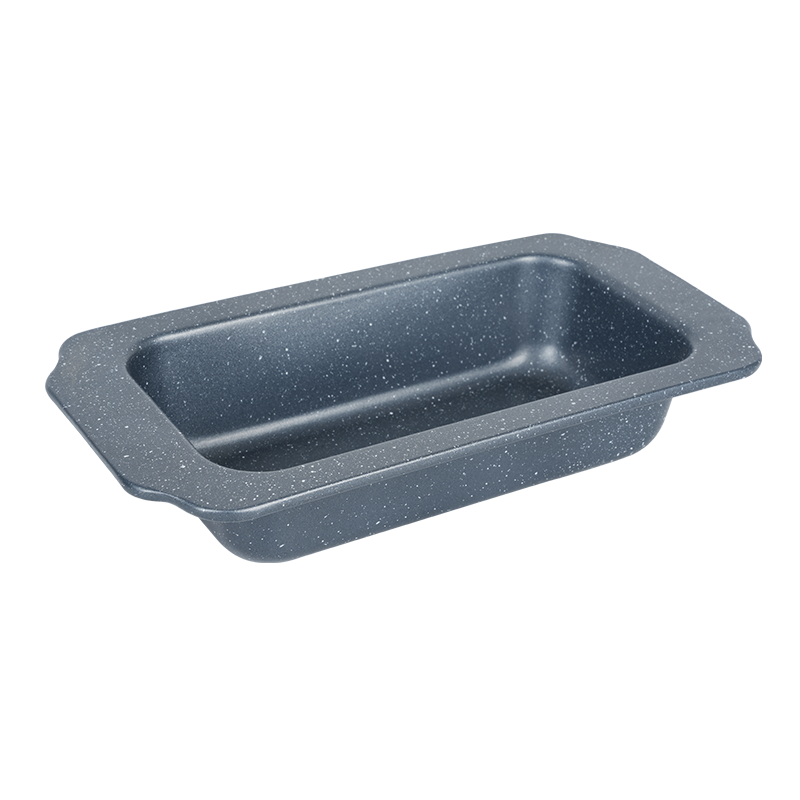
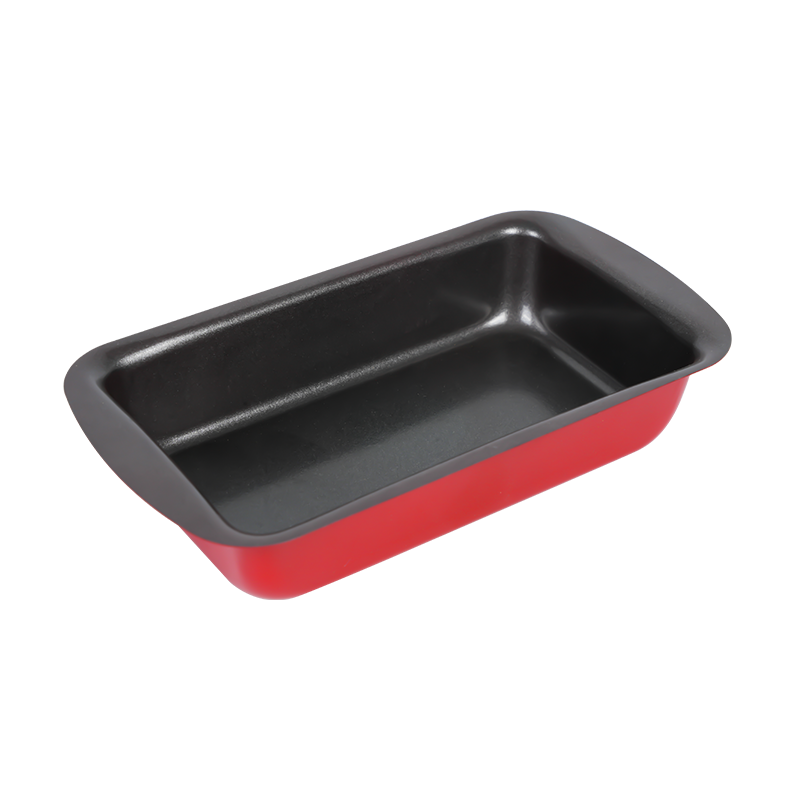
A Carbon Steel Bakeware Factory produces high-quality baking tools designed for home and commercial kitchens. Carbon steel bakeware has gained popularity due to its good heat conductivity, lightweight design, and robustness. However, many users often compare its durability to other common materials such as stainless steel and aluminum. Understanding the strengths and limitations of carbon steel in comparison helps bakers make informed decisions about which bakeware suits their needs best.
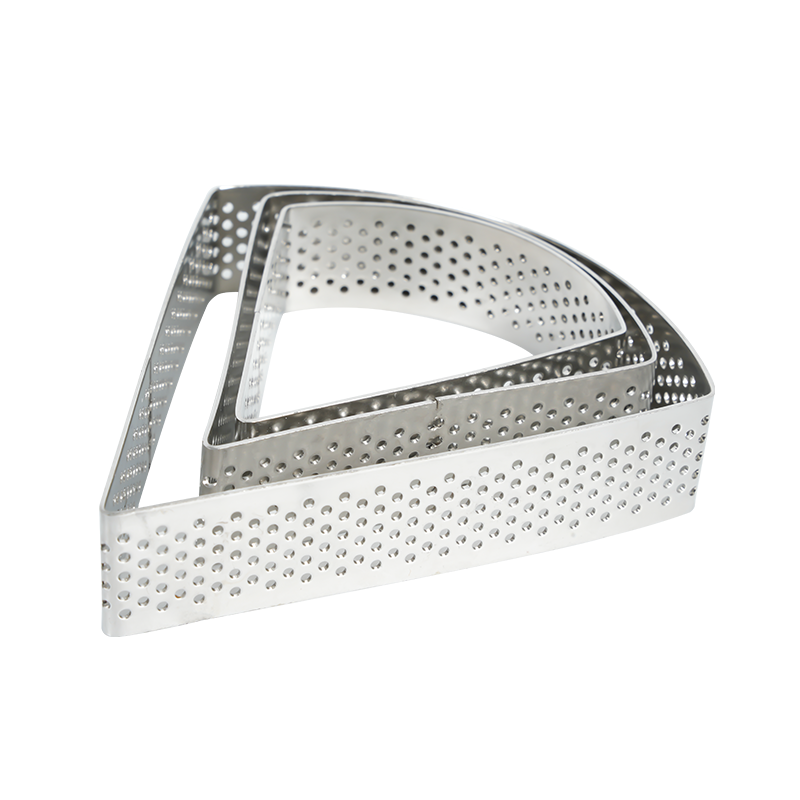
Carbon Steel Properties and Longevity
Carbon steel is composed primarily of iron with a small amount of carbon, giving it a balance of strength and flexibility. Its solid structure makes it resistant to warping under high temperatures, a feature that is particularly valuable in ovens where long baking times or frequent temperature changes occur. Unlike thin aluminum pans that may bend or warp easily, carbon steel maintains structural integrity, ensuring consistent performance over time. Additionally, carbon steel develops a natural seasoning with use, which further protects the surface and enhances durability.
Comparison with Stainless Steel Bakeware
Stainless steel is well-known for its corrosion resistance and minimal maintenance requirements. It does not rust easily and can last for decades with proper care. However, stainless steel has lower thermal conductivity compared to carbon steel, which can cause uneven baking if the pan is thin or poorly constructed. While stainless steel may resist corrosion better, carbon steel offers a combination of faster heat response and higher strength, making it less prone to bending or warping during intense use.
Comparison with Aluminum Bakeware
Aluminum bakeware is lightweight, affordable, and good at conducting heat. However, pure aluminum is softer and more prone to dents, warping, and scratches. Many aluminum pans also require non-stick coatings, which may degrade over time and reduce the lifespan of the pan. Carbon steel, in contrast, provides a more rigid and durable base that can withstand heavy use and repeated heating cycles. Even though aluminum heats quickly, carbon steel’s sturdiness often causes longer-lasting performance under rigorous baking conditions.
Maintenance and Longevity Considerations
Proper care is essential for maximizing the durability of carbon steel bakeware. The pan should be seasoned regularly to prevent rust and maintain a smooth surface. While carbon steel may require slightly more maintenance than stainless steel, it outperforms aluminum in terms of structural durability. Regular cleaning without harsh abrasives preserves the integrity of the pan, allowing it to retain its shape and performance for many years. For commercial kitchens, this durability translates into cost savings over time.
Practical Implications for Users
Bakers seeking long-term performance and reliability often prefer carbon steel bakeware for tasks requiring high heat or frequent use. Its good strength and resistance to warping make it ideal for bread, pizza, and other heavy or dense baked goods. While stainless steel and aluminum have their own advantages in corrosion resistance and lightweight handling, carbon steel remains a preferred choice where durability and even baking are top priorities.
Carbon Steel as a Durable Bakeware Choice
The Carbon Steel Bakeware Factory produces tools that balance durability, heat conductivity, and structural integrity. Compared to stainless steel and aluminum, carbon steel offers greater resistance to warping, denting, and long-term wear, making it a reliable option for both home and professional bakers. By understanding the material’s properties and proper maintenance, users can enjoy consistent baking performance and extended lifespan, highlighting carbon steel’s advantages in durability and practical utility.