

 русский
 Español
The company relies on a high degree of brand awareness, fine product quality, convergence of multiple strong advertising media power, and through the integration of capital, knowledge, talent technology, channels, information operations.
Introduction to Tray Material Selection
A Microwave Baking Tray Factory produces a variety of baking trays designed for use in microwaves, each made from different materials such as glass, ceramic, silicone, and plastic. The choice of material affects the tray’s heat resistance, durability, ease of cleaning, and suitability for various types of food. Understanding the properties of each material allows consumers and commercial users to select the tray for their cooking and baking needs.
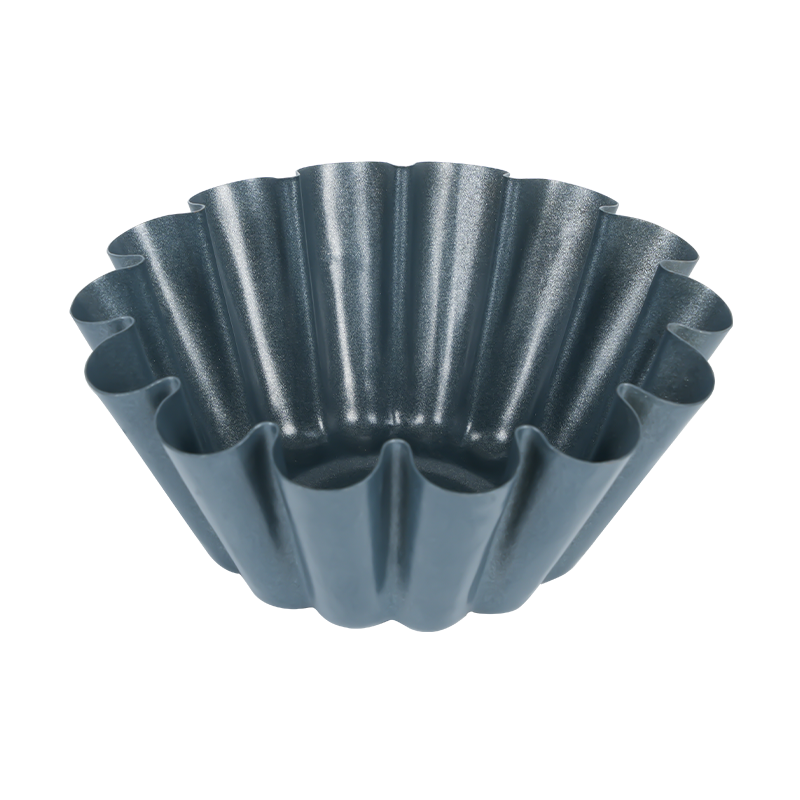
Glass Trays: Transparency and Heat Stability
Glass microwave baking trays are popular due to their transparency, which allows users to monitor cooking progress without opening the microwave. They provide good heat stability and do not react with acidic or oily foods. However, glass is relatively heavy and can break if dropped. It's even heat distribution reduces hotspots, reducing the risk of uneven cooking, but care must be taken to avoid sudden temperature changes, which may cause cracking.
Ceramic Trays: Durability and Heat Retention
Ceramic trays offer high durability and good heat retention, making them suitable for slow cooking and even baking. They are resistant to scratches and can handle high temperatures without deforming. Ceramic surfaces are generally non-reactive and maintain food flavor. The main drawbacks include their weight and fragility compared to silicone or plastic, which makes careful handling essential during transportation and storage.
Silicone Trays: Flexibility and Non-Stick Advantages
Silicone trays are flexible, lightweight, and naturally non-stick, making them easy to handle and clean. They are ideal for baking cupcakes, muffins, or small pastries in microwaves. Silicone trays are resistant to moderate heat but may deform under extremely high temperatures or prolonged exposure to direct microwave energy. Their flexibility is an advantage for easy removal of baked goods, but limits their structural support compared to rigid trays.
Plastic Trays: Lightweight Convenience
Plastic trays are lightweight and often cost-effective, making them suitable for basic microwave reheating and light baking. However, not all plastics are heat-resistant, and lower-quality trays can warp, release odors, or even harmful substances under high temperatures. Users should ensure that trays are labeled microwave-safe and avoid using them for high-fat or high-sugar recipes, which require more heat and longer cooking times.
Comparison of Materials in Practical Use
Each tray material offers advantages and disadvantages depending on the intended use. Glass and ceramic trays excel in durability, heat distribution, and maintaining food quality, but are heavier and more fragile. Silicone trays provide ease of use and non-stick benefits, especially for delicate pastries, but require careful temperature management. Plastic trays offer convenience and lightness but have limitations in heat tolerance and long-term durability. The Microwave Baking Tray Factory must consider these factors when designing products to balance usability, safety, and performance.
Choosing the Right Tray Material
Selecting the appropriate material from a Microwave Baking Tray Factory depends on the type of cooking, microwave wattage, and user preferences. Glass and ceramic are preferred for even cooking and long-lasting use, silicone offers flexibility and convenience, and plastic provides lightweight, low-cost options for simple tasks. Understanding the characteristics of each material ensures suitable performance, food safety, and satisfaction for both home and commercial baking applications.