

 русский
 Español
The company relies on a high degree of brand awareness, fine product quality, convergence of multiple strong advertising media power, and through the integration of capital, knowledge, talent technology, channels, information operations.
Cookies are often associated with ovens, baking sheets, and long preparation routines. Yet home cooking habits are changing. People are looking for simple ways to prepare small portions without filling the kitchen with equipment.
This has created interest in products designed around more convenient cooking methods. A Cookie Tray for Microwave is one example. It is designed to help users prepare cookie-style foods in a microwave rather than relying only on a conventional oven.
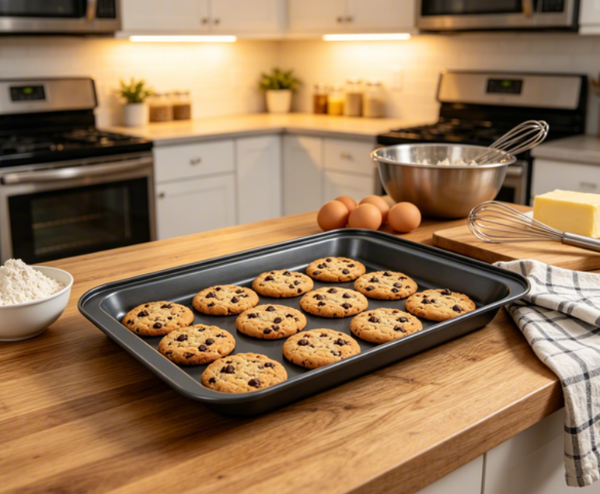
The idea may sound unusual to people who are used to traditional baking. A microwave heats food differently from an oven, so the cooking process can also be different. The tray needs to work with the cooking environment while giving the dough a suitable surface and shape.
For users, the appeal is often related to convenience. A small tray can be easier to store, handle, and clean than larger baking equipment. It may also fit naturally into kitchens where space is limited.
Understanding how this type of tray works starts with its basic structure and intended use.
What Is a Cookie Tray for Microwave?
A Cookie Tray for Microwave is exactly what it sounds like — a cooking accessory built specifically for preparing cookies or similarly small baked treats using a microwave instead of a conventional oven.
Like any baking tray, it gives food a defined surface to sit on during cooking. The twist here is that everything about its design has to account for how microwaves actually heat food, rather than how an oven does.
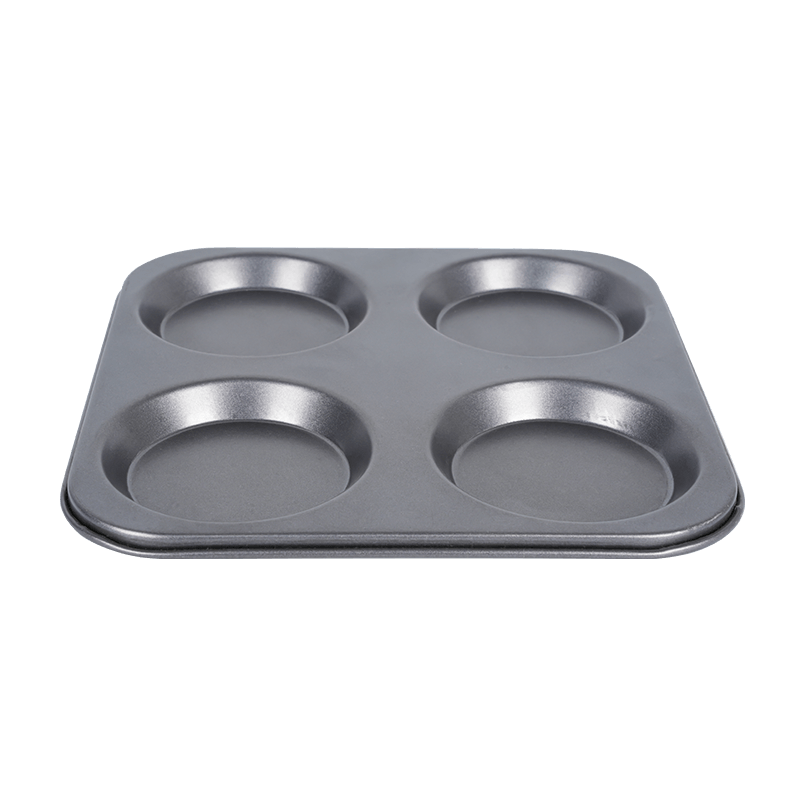
Shape varies from product to product. Some trays come with individual molded sections that keep dough portions physically separated. Others go with a more open, flat surface where users arrange the dough themselves, with more freedom but less structure.
That shape choice directly affects the finished cookies too. Dough sitting in defined compartments is far less likely to spread and merge with its neighbors mid-cook — a common annoyance with flat, undivided surfaces.
That structure alone tends to make the whole process feel more organized, especially for anyone just trying to make a small batch at home without much fuss.
| Feature | Purpose in everyday use |
|---|---|
| Cooking surface | Provides a place for dough or cookie portions |
| Individual spaces | Helps separate pieces during preparation |
| Raised edges | Can help keep food within the tray area |
| Compact form | Makes storage easier in smaller kitchens |
| Easy-clean surface | Supports convenient cleanup after cooking |
| Microwave-friendly construction | Allows the tray to be used in the intended appliance |
The exact design depends on the product. Users should always check that a tray is specifically intended for microwave use and follow its instructions.
How Does a Cookie Tray for Microwave Work?
The basic idea is simple. Cookie dough is placed on the tray, and the tray is positioned inside the microwave according to the product instructions.
The microwave then heats the food. As the dough warms, its ingredients change during cooking. The tray provides support and helps keep the portions arranged in the intended positions.
This is different from simply placing dough on a random plate. A cookie tray is designed around the shape and handling of the food. It can help create a more predictable cooking area.
The tray itself does not replace the microwave. Instead, it works together with the appliance.
A typical preparation process may look like this:
- Prepare the cookie dough according to the chosen recipe.
- Divide the dough into suitable portions.
- Place the portions onto the tray.
- Leave appropriate space between pieces when required by the tray design.
- Put the tray into the microwave according to the product instructions.
- Allow the food to cook and then handle it carefully after heating.
The exact cooking process depends on the recipe, ingredients, microwave, and tray. Users should avoid assuming that a microwave cookie recipe will behave exactly like an oven recipe.
The main role of the tray is to provide an organized and suitable cooking surface.
Why Are Microwave Cookie Trays Becoming Interesting for Home Kitchens?
Convenience is the obvious draw pulling people toward these products.
A conventional oven genuinely shines when you're baking a big batch of cookies for a crowd. But plenty of cooking moments don't call for that scale at all — sometimes it's just a quick snack, a small homemade treat, or a low-effort activity that doesn't need much setup.
That's exactly where a microwave fits naturally.
The compact footprint of these trays helps too. Full baking sheets and cooling racks eat up cabinet space fast, while a smaller accessory tucks away easily when it's not in use.
Cleanup matters as well. A tray sized for small portions tends to be far less of a chore to wash afterward. Simple, accessible surfaces mean less time scrubbing at stuck-on residue.
There's a broader lifestyle shift running underneath all of this too. Home cooking has stopped being confined to traditional, structured routines. People cook while studying, working from home, managing a hectic household, or squeezing in a treat between other tasks.
A microwave cookie tray slots neatly into that reality — smaller, faster, more flexible cooking on demand.
How Does Tray Design Affect Cookie Preparation?
The design of the tray can influence how easy the preparation process feels.
Shape is one important consideration. Individual sections can help users divide the dough into separate portions. A flat surface can offer more freedom when arranging the food.
The depth of the tray can also affect how food is positioned. A shallow surface may make it easier to place and remove cookies, while a shaped area can help keep each portion in its intended location.
The edge design matters as well. A suitable edge can make the tray easier to handle without interfering with the food.
Surface texture can influence cleaning and food release. Users generally want to remove the cooked food without excessive effort. A surface that is easy to wipe or wash can make the product more practical for repeated home use.
Good design is therefore not about adding unnecessary features. It is about making ordinary actions easier.
For a microwave cookie tray, these actions include:
- placing dough;
- separating portions;
- moving the tray;
- removing cooked food;
- cleaning the surface;
- storing the tray afterward.
When these steps feel natural, the tray becomes easier to include in everyday cooking.
Can a Cookie Tray for Microwave Make Small-Batch Cooking Easier?
Small-batch cooking is arguably where a microwave cookie tray really earns its keep.
Traditional baking tends to default toward a full tray's worth of cookies — which makes perfect sense when you're feeding a group. But a single person or a small household often just doesn't need that much output at once.
Scaling down the setup cuts out a lot of unnecessary prep work. Users can make a small amount without setting up an entire baking station for the occasion.
That smaller scale is also handy for recipe experimentation. Testing a new flavor combo or tweaking ingredient ratios feels a lot less risky when you're not committing to a full batch.
Kids and beginner bakers tend to find the smaller setup more approachable too — fewer tools involved, less intimidating overall, though still worth doing under proper adult supervision.
None of this is really about replacing traditional baking outright. It's more about adding another option for the moments where convenience actually matters more than tradition.
| Cooking situation | Why a microwave cookie tray may be useful |
|---|---|
| Small household | Supports smaller portions |
| Quick snack | Can fit a shorter preparation routine |
| Recipe testing | Makes small experiments more practical |
| Limited kitchen space | Takes less storage space than large equipment |
| Simple home cooking | Reduces the number of tools involved |
The actual result still depends on the recipe and appliance. A microwave cookie tray is a tool, not a guarantee of a particular cooking result.
What Materials Are Suitable for a Microwave Cookie Tray?
Material choice is important because a tray intended for microwave use needs to be appropriate for that environment.
Not every material used for ordinary baking equipment is automatically suitable for microwave cooking. A product designed for a conventional oven may have different requirements from one designed for microwave use.
For this reason, buyers should pay attention to the manufacturer's stated usage instructions. The material should be identified as suitable for the intended cooking method.
The material can also influence other parts of the user experience. Weight affects handling. Surface characteristics can affect cleaning. Flexibility can affect storage and removal of food.
Different materials may therefore create different advantages and limitations.
A practical way to compare materials is to look beyond appearance and consider the whole cooking routine:
- Microwave suitability
The material should be intended for microwave cooking. - Food contact
The tray should be suitable for contact with the food being prepared. - Handling
The tray should be comfortable to move before and after cooking. - Cleaning
The surface should fit the user's preferred cleaning method. - Storage
The form should be practical for the available kitchen space.
Material selection is closely connected with product design. A tray can look attractive, but its everyday value depends on how well its material works within the intended cooking environment.
What Should Users Consider When Choosing a Cookie Tray for Microwave?
Choosing a Cookie Tray for Microwave is easier when the decision starts with the user's cooking habits.
Someone who usually makes small portions may prefer a compact tray. Another person may care more about having flexible space for different cookie shapes. A household that cooks often may place greater importance on easy cleaning and storage.
The size and shape of the microwave interior should also be considered. A tray needs to fit comfortably inside the appliance without interfering with its normal operation.
The product instructions are equally important. Users should check whether the tray is specifically designed for microwave use and understand any restrictions before cooking.
Other practical questions include:
- Is the tray easy to handle?
- Can the cookie portions be separated easily?
- Is the surface convenient to clean?
- Does the shape suit the recipes the user normally makes?
- Is the tray easy to store?
- Can the user understand the preparation instructions clearly?
These questions can help narrow the choice without focusing only on appearance.
A useful product should fit into the entire cooking routine. The preparation, cooking, removal, cleaning, and storage stages all matter.
How Could Microwave Cookie Trays Fit Into Everyday Cooking?
The role of a Cookie Tray for Microwave extends beyond making one type of snack.
The same basic idea can fit into different home cooking habits. Someone may use it for a quick treat after work. Another person may use it when preparing a small portion for a child or family member. A home cook may also use a compact tray while trying a new recipe.
This flexibility comes from the combination of a familiar food and a different cooking method.
The product can also fit kitchens where space is limited. Not every household has room for a large collection of baking tools. A compact accessory can provide another cooking option without requiring a major change to the kitchen.
For product designers, this creates an interesting direction. The focus is not simply on making another baking tray. It is on understanding how people actually cook at home.
A useful design may therefore pay attention to the entire user journey. The tray should be easy to understand before cooking. It should be practical during preparation. It should remain manageable when the food is ready. Cleaning and storage should also feel straightforward.
As home cooking becomes more flexible, small kitchen accessories such as the Cookie Tray for Microwave can occupy a practical space between convenience and creativity. They give users another way to approach familiar foods while keeping the preparation process simple and adaptable.