

 русский
 Español
The company relies on a high degree of brand awareness, fine product quality, convergence of multiple strong advertising media power, and through the integration of capital, knowledge, talent technology, channels, information operations.
Baking has quietly worked its way into everyday life for a lot of households these days. It's no longer boxed into long weekend prep sessions or reserved strictly for special occasions. A small cake, a quick dessert, a simple homemade treat — these things now slot right into an ordinary kitchen routine without much fanfare.
That shift has changed how people size up bakeware, too. A baking tray isn't just a container for holding food anymore. Its shape, how it handles, where it stores, and whether it plays nicely with different kitchen appliances all shape how convenient the whole baking experience actually feels.
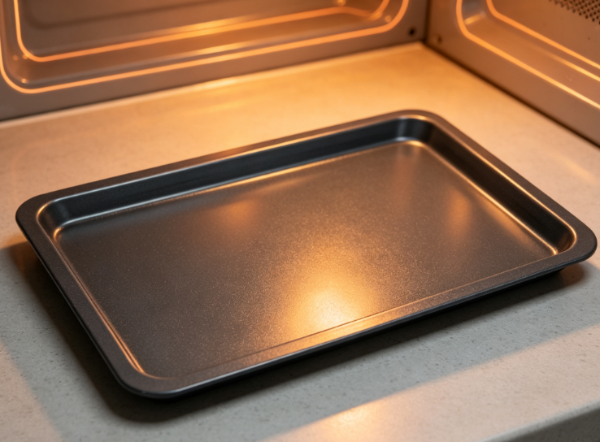
A Cake Tray for Microwave captures this shift pretty well. It ties a familiar baking task to an appliance most people already lean on for everyday food prep. Rather than treating baking as some separate, walled-off activity, the tray folds neatly into a far more flexible kitchen routine.
That growing interest raises a broader question worth chewing on. How exactly is convenience reshaping the way people approach cake preparation, and what part can a microwave-friendly cake tray actually play in that shift?
Why Is Convenience Becoming More Important in Home Baking?
Home baking often begins with a simple idea. Someone wants a homemade cake without turning the kitchen into a long preparation area. The appeal may come from the food itself, but the process also matters.
Modern households can have different schedules throughout the day. People may cook at different times, prepare smaller portions, or choose simple recipes instead of making a large batch. These habits create demand for kitchen products that fit naturally into daily routines.
Bakeware is part of this experience. A cake tray that is easy to handle can make preparation feel less complicated. The user does not need to think only about the final cake. They also consider how the tray will be filled, moved, cleaned, and stored.
This is where convenience becomes more than a marketing idea. It becomes a practical part of product selection. Buyers may compare different trays based on how well they fit their cooking habits rather than looking only at appearance.
How Does a Cake Tray for Microwave Fit Into Everyday Kitchen Routines?
The microwave has a familiar place in many kitchens. It is often associated with quick food preparation, reheating, and simple cooking tasks. When cake preparation is connected with this appliance, baking can become part of a less formal routine.
A Cake Tray for Microwave can therefore appeal to people who prefer smaller and more manageable baking tasks. Instead of planning a full baking session, users may prepare a dessert when the need arises.
This can also change how people think about homemade cakes. The focus may move away from large quantities and toward convenience. A small household may not need a large cake. A person living alone may prefer a smaller baking task. A family may want a quick homemade dessert without extensive preparation.
The tray becomes a link between the recipe and the appliance. Its role is simple, but that simplicity matters. When the equipment fits the intended cooking method, users can spend less time thinking about the process and more time enjoying the food.
| Everyday Baking Habit | Role of a Microwave Cake Tray |
|---|---|
| Quick Dessert Preparation | Supports a more convenient baking routine |
| Smaller Household Portions | Fits baking tasks that do not require large quantities |
| Limited Kitchen Space | Can suit a simpler cooking setup |
| Frequent Home Cooking | Makes bakeware part of regular kitchen use |
| Flexible Meal Routines | Allows cake preparation to fit different schedules |
What Makes Microwave Compatibility Relevant to Cake Tray Design?
Not every baking container is intended for every cooking method. This makes compatibility an important consideration when selecting a cake tray for microwave use.
The relationship between the tray and the appliance affects how the product is used. Buyers may want to know whether the tray is designed for the intended cooking environment and whether its overall form suits the way they prepare food.
Shape can also matter. A tray needs to work within the available cooking space while still providing a useful area for cake preparation. The design should make sense both during cooking and when the tray is removed from the appliance.
Handling is another part of the experience. A tray that is easy to hold and move can make the transition between preparation, cooking, and serving more convenient. These small details may not seem important when viewed separately, but together they influence everyday usability.
For manufacturers, this means microwave compatibility cannot be treated as an isolated product feature. It is connected with the overall design of the tray, including its form, handling experience, and intended use.
How Can a Cake Tray Support Smaller and More Flexible Baking Habits?
Baking habits are not always based around large family gatherings. Many people prepare food according to the number of people eating it at the moment. This creates space for smaller and more flexible baking products.
A cake tray designed for microwave use can fit this pattern by supporting baking tasks that feel easier to manage. The user can choose when to prepare a cake instead of planning around a larger kitchen process.
This flexibility is especially relevant to casual baking. Someone may want a dessert after a meal. Another person may prepare a cake for a small group. A beginner may simply want to try a recipe without committing to a complicated setup.
The product therefore becomes part of a broader change in kitchen behavior. People increasingly look for tools that work with their routines rather than forcing them to change those routines.
Several factors can influence this experience:
- Size and shape can affect how easily the tray fits into the cooking area.
- Handling can influence how comfortably the tray moves between different stages.
- Storage matters when kitchen space is limited.
- Cleaning can affect whether the tray feels practical for regular use.
- Intended cooking method helps users choose a tray that matches their appliance and recipe.
These considerations are straightforward. They also show why convenience is closely connected with product design.
Why Does Easy Handling Matter as Much as Baking Performance?
A cake tray is used before and after cooking as well as during the cooking process. The user needs to prepare the mixture, place the tray into the appliance, remove it afterward, and clean the product.
This makes handling an important part of the overall experience. A tray that feels simple to use can reduce unnecessary steps in the kitchen.
The shape of the tray may influence how it is held. Its edges can affect how the product is moved. The surface can influence how easily the finished cake is removed. Storage also matters because kitchen users often need to fit bakeware into cabinets, drawers, or other limited spaces.
These details can become especially important when the product is used regularly. A tray that works well for occasional baking may be viewed differently by someone who prepares desserts several times a week.
For buyers, this suggests that product selection should not focus on the baking stage alone. The entire usage cycle deserves attention.
| Product Consideration | Everyday User Question |
|---|---|
| Shape | Does it fit the intended cooking space? |
| Handling | Is it easy to move before and after cooking? |
| Storage | Can it be stored conveniently in the kitchen? |
| Cleaning | Is it practical for repeated use? |
| Food Preparation | Does it suit the type of cake being prepared? |
| Appliance Compatibility | Is it intended for the user's cooking method? |
How Is Modern Baking Becoming More Connected With Lifestyle?
Baking used to be viewed mainly as a food preparation activity. Today, it can also be connected with lifestyle. People bake for relaxation, family time, casual entertaining, personal interest, or simply because they want something homemade.
This creates a wider range of expectations for bakeware. A product needs to support the activity without making the process feel unnecessarily complicated.
A Cake Tray for Microwave fits naturally into this discussion because it combines two familiar ideas: baking and convenient kitchen preparation. The tray does not need to transform the entire baking experience. Its value can come from helping a familiar activity fit into everyday life.
This is also relevant to compact living. Not every kitchen has a large work surface or extensive storage. Smaller households may prefer products that serve a clear purpose without taking up unnecessary space.
As lifestyles continue to vary, flexibility becomes an important part of kitchen product development. A cake tray can be designed not only around the food being prepared, but also around the environment in which the product will be used.
What Should Buyers Consider When Choosing a Cake Tray for Microwave?
Buying decisions often start with a simple question: Will the product fit the way I actually cook?
The answer depends on more than appearance. Buyers may need to consider the intended appliance, the type of cake they usually prepare, available kitchen space, handling preferences, and cleaning habits.
Material is another consideration, particularly because different cooking methods place different demands on food containers. Buyers should check the product information and follow the manufacturer's stated instructions for microwave use rather than assuming that every cake tray is suitable.
The design should also match the intended purpose. Someone who mainly prepares small desserts may have different needs from a household that regularly prepares larger cakes. There is no single format that suits every baking habit.
A practical selection process can focus on these questions:
- Is the tray specifically intended for microwave use?
- Does its shape suit the available cooking space?
- Is it comfortable to handle?
- Does it fit the user's typical baking routine?
- Is storage convenient in the available kitchen area?
- Is the product easy to clean according to its care instructions?
- Does the design suit the type of cake or dessert being prepared?
These questions keep the decision connected to real use rather than appearance alone.
Could Cake Tray Design Continue to Change With Modern Baking Habits?
Kitchen products often change when user habits change. As people look for simpler ways to prepare food, bakeware may also become more focused on convenience, flexibility, and everyday usability.
The Cake Tray for Microwave is part of this broader movement. Its role is not limited to holding cake mixture. It sits within a complete process that includes preparation, cooking, handling, serving, cleaning, and storage.
Future product development may therefore pay greater attention to the relationship between bakeware and the kitchen environment. Compact storage, comfortable handling, practical shapes, and clearer product guidance can all become relevant areas of attention.
The market may also continue to reflect different baking lifestyles. Some users may want simple tools for occasional desserts. Others may look for bakeware that can become part of a regular cooking routine. Families, individual users, beginners, and experienced home bakers can approach the same product category from different perspectives.
For manufacturers and suppliers, understanding these differences can help shape product development and communication. Instead of treating a cake tray as a basic container, they can look at how it fits into the complete user experience.
For buyers, the same perspective can make product comparison more useful. The question is not only whether a tray can hold a cake. It is also whether the product fits naturally into the way the kitchen is used.
That connection between product design and daily routine is helping reshape how modern bakeware is viewed. A microwave cake tray represents a simple example of this change, bringing a familiar baking activity closer to the flexible, convenience-focused habits found in many kitchens.