

 русский
 Español
The company relies on a high degree of brand awareness, fine product quality, convergence of multiple strong advertising media power, and through the integration of capital, knowledge, talent technology, channels, information operations.
Kitchen life is not always about full cooking sessions. In many homes, food preparation happens in small steps spread across the day. A quick breakfast in the morning, a reheated lunch in the afternoon, and a light snack at night. These routines do not always require pots, pans, or ovens.
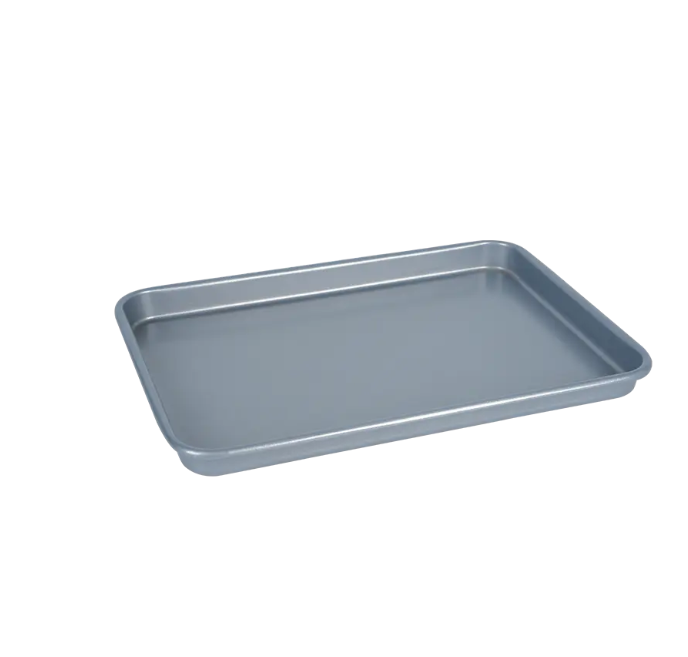
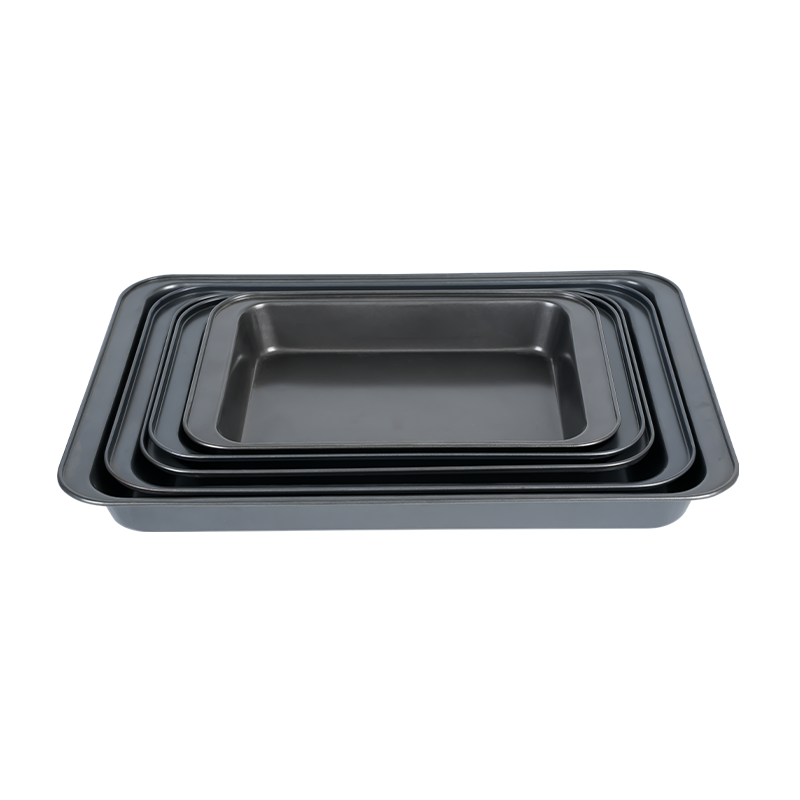
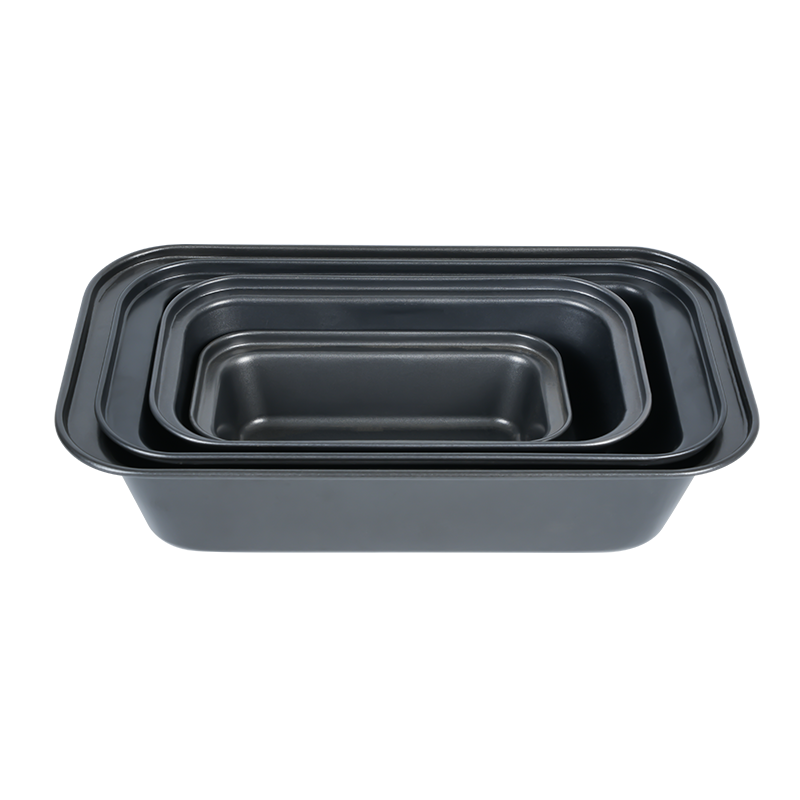
In this kind of rhythm, a China Microwave Baking Tray produced in China often appears as a quiet but useful tool. It does not attract much attention, but it is used again and again in different ways. The same tray may handle reheating, food arrangement, and even serving within a single day.It is simple in shape, but flexible in use.
Why do kitchens rely more on microwave-friendly trays now?
Microwave use has changed over time. It is no longer only a backup option for reheating leftovers. In many kitchens, it has become part of daily cooking behavior.
People use it for warming meals, preparing quick dishes, and handling small portions of food. As usage increases, the need for better organization inside the microwave also increases.
A flat tray helps create order inside a space that is usually small and enclosed. Instead of placing food randomly in bowls or containers, users place everything on a flat surface. This small adjustment makes the whole heating process feel more controlled.
Over time, it becomes part of routine habits without much thought.
How is it used for reheating food in real daily situations?
Reheating is still the most frequent task in most kitchens. Leftover food rarely comes in perfect shape for even heating. Some parts are thick, some are thin, and some are mixed together.
When food is placed in a deep container, heat often moves unevenly. The outer layer warms quickly, while the center takes longer.
A microwave baking tray changes how food is positioned. Instead of stacking, food is spread out. This allows heat to reach more areas at a similar pace.
In everyday use, the process is very simple. Food is taken from storage, placed on the tray, and heated directly. There is no extra step of rearranging or dividing portions.
It feels like a small change, but it improves consistency in daily meals.
What makes it useful for quick meal preparation?
Not every meal starts from scratch. Many meals are assembled using prepared ingredients, leftovers, or ready-to-eat components. In this case, speed matters more than complexity.
A Microwave Baking Tray Manufacturer allows ingredients to be placed together and heated in one cycle. This reduces the need for multiple containers or cooking steps.
In real life, this often happens during busy periods:
- a short lunch break
- late-night eating
- quick solo meals
- in-between work routines
Instead of planning a full cooking process, users rely on simple assembly. The tray becomes a surface where everything is placed, heated, and sometimes eaten.
It reduces the gap between "deciding to eat" and "actually eating."
How is it used in snack and small portion cooking?
Snack preparation is often flexible. It involves small amounts of food, different shapes, and mixed textures. A bowl is sometimes too deep, and a plate may not be suitable for microwave use.
A tray offers a flat area where items can be separated. This is helpful when handling multiple small foods at once.
Common snack-related uses include:
- reheating small baked goods
- warming bite-sized portions
- arranging mixed snack items
- heating light desserts
Because items are not stacked, they tend to heat more evenly. It also becomes easier to check food during heating without disrupting the arrangement.
How does food placement influence microwave results?
In microwave cooking, placement is often overlooked, but it affects results more than expected. Food inside a microwave is heated by energy that spreads unevenly in enclosed space. When items overlap, some parts block others from receiving equal exposure.
A flat tray helps reduce this problem by spreading food into a wider layer.
To make the difference clearer, here is a simple comparison:
| Placement Style | Heat Movement | Result in Use |
|---|---|---|
| Deep stacking in bowl | Uneven flow, blocked areas | Cold spots remain |
| Flat tray spacing | More open heat exposure | More even warming |
| Tight grouping | Limited circulation | Mixed temperature zones |
This is not about changing the microwave itself. It is about how food is arranged inside it.
Small adjustments in placement often lead to more consistent results.
Can it be part of serving food routines?
In many kitchens, cooking and serving are closely connected. A microwave baking tray is sometimes used in both steps.
After heating, food may stay on the tray briefly before being moved to plates. In more casual settings, it may even be served directly.
This reduces the number of dishes involved in a meal. It also shortens the transition from heating to eating.
In daily use, this becomes part of a simple flow:
storage → tray → microwave → table
There is less switching between containers, which makes the process feel smoother.
How does it support small and shared kitchen environments?
Not all kitchens have large space or full equipment setups. In smaller apartments or shared living spaces, tools need to be practical and multifunctional.
A microwave baking tray fits into this type of environment because it does not require special handling or storage conditions. It can be used daily and cleaned quickly.
Typical environments include:
- compact apartments
- student housing
- shared kitchens
- temporary living spaces
In these situations, having one tool that supports multiple tasks reduces clutter and simplifies routines.
What are the most common kitchen applications in real use?
In practice, the applications of a microwave baking tray overlap. It is rarely used for only one purpose in a day.
Below is a simplified view of how it is used across different situations:
| Kitchen Use Area | Real Situation Example | Practical Outcome |
|---|---|---|
| Reheating meals | leftovers from previous cooking | more stable heating |
| Quick preparation | assembled simple meals | fewer cooking steps |
| Snack handling | small portion foods | better spacing and control |
| Serving support | eating directly after heating | reduced dish usage |
| Multi-item heating | different foods together | easier arrangement |
These uses shift depending on daily needs. One tray can serve several roles without needing replacement.
Why is it associated with China-made kitchen products?
China plays a major role in global kitchenware production. Many everyday cooking tools come from large-scale manufacturing systems focused on practicality.
Microwave baking trays in this category are generally designed with a focus on:
- simple structure
- daily usability
- compatibility with microwave heating
- lightweight handling
Instead of complex features, the emphasis is usually on repeat use in real household conditions.
This matches the needs of kitchens that rely on fast and flexible cooking habits.
How does it influence everyday cooking behavior?
Over time, kitchen tools change behavior in small ways. A microwave baking tray is one of those tools that gradually becomes part of routine without drawing attention.
Cooking starts to feel more direct. Food is not moved between multiple containers as often. The steps become more linear.
A common flow begins to form:
take food → place on tray → heat → serve
This does not change cooking style completely. Instead, it reduces effort between steps.
Small improvements like this often shape long-term habits more than large changes.
FAQs
1. What is a microwave baking tray used for?
It is used for reheating food, arranging ingredients, and supporting simple microwave-based meal preparation.
2. Can it be used every day?
Yes, it is designed for repeated daily use in common kitchen tasks like heating and serving.
3. Why does it improve microwave heating results?
Because food is spread out on a flat surface instead of being stacked, heat reaches it more evenly.
4. Is it suitable for small kitchens?
Yes, it is commonly used in compact or shared kitchens due to its simple design and multifunction use.
5. Does it replace other kitchen tools?
No, it works alongside other cookware, mainly for microwave-related tasks and quick meal handling.
6. Why is it widely used in households?
Because it simplifies cooking steps, reduces dish usage, and fits flexible eating habits in modern kitchens.